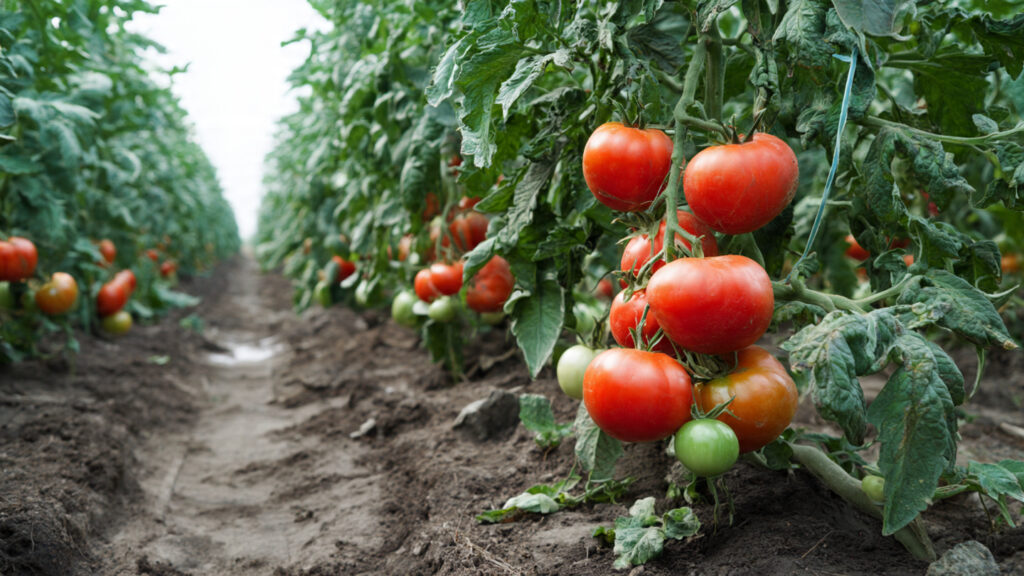
Pruning is often considered an optional gardening task, reserved for ornamental plants or fruit trees. However, when it comes to vegetables, ignoring proper pruning techniques can have hidden consequences that affect yield, plant health, and even the flavor of your harvest. Many home gardeners and even seasoned growers underestimate the role pruning plays in optimizing growth, managing pests, and ensuring consistent productivity. This article explores the critical impacts of neglecting pruning and provides insight into how simple trimming practices can dramatically improve vegetable growth.
Understanding Pruning in Vegetable Gardening
Pruning involves selectively removing certain parts of a plant, such as leaves, stems, or flowers, to improve the plant’s overall structure and productivity. Unlike hedges or ornamental shrubs, vegetable pruning focuses primarily on:
- Enhancing Airflow and Sunlight Penetration
- Redirecting Energy Toward Fruit or Leaf Production
- Reducing Pest and Disease Pressure
Many vegetables—including tomatoes, peppers, cucumbers, and squash—benefit from careful pruning. Yet, gardeners often skip this step, believing it may stunt growth or reduce the number of leaves. In reality, neglecting pruning can result in weaker plants and lower yields over time.
The Hidden Consequences of Ignoring Pruning
1. Reduced Yield and Smaller Fruits
Vegetables like tomatoes, peppers, and cucumbers produce an abundance of stems and leaves. Without pruning, these plants can become overcrowded. When a plant has too many leaves and branches, energy is distributed across all parts instead of being focused on developing fruits.
- Tomatoes: Unpruned indeterminate tomato plants can become tangled, with excessive foliage shading the fruit. This can lead to smaller, less flavorful tomatoes.
- Peppers: Overcrowded pepper plants may produce fewer blooms, resulting in limited fruiting.
- Cucumbers and Squash: Vines can become unmanageable without trimming, leading to lower yields per plant.
By pruning, gardeners ensure that the plant focuses its energy on fruit production rather than maintaining excessive foliage.
2. Increased Risk of Pests and Diseases
Dense, unpruned plants create a microenvironment favorable to pests and pathogens. Thick foliage traps humidity, reducing airflow and making it easier for fungal diseases like powdery mildew or blight to develop.
- Powdery Mildew: Overcrowded leaves create shaded, moist areas ideal for this fungus.
- Aphids and Whiteflies: These pests thrive in dense leaf clusters, feeding on plant sap and spreading viruses.
- Fruit Rot: Poor airflow around fruits can cause early decay or rot.
Neglecting pruning inadvertently invites these problems, forcing gardeners to rely more heavily on chemical sprays or intensive monitoring.
3. Competition Among Plant Parts
Vegetables allocate energy through photosynthesis, but not all parts contribute equally to the plant’s productivity. When lower leaves, non-productive branches, or excess flowers are left unchecked, they compete with the main fruiting areas for nutrients.
- Non-fruiting branches consume carbohydrates that could be better used for ripening fruits.
- Excess flowers may result in small, underdeveloped fruits that eventually fall off.
- Overcrowded leaves can shade younger, more productive leaves, limiting photosynthesis efficiency.
Proper pruning helps eliminate unnecessary competition, redirecting resources to parts of the plant that contribute most to yield.
4. Reduced Light Penetration
Sunlight is the primary driver of plant growth. Unpruned vegetable plants can develop thick canopies that block light from reaching inner leaves. This creates several issues:
- Leaves that do not receive adequate light stop producing energy efficiently.
- Inner branches may weaken, reducing the plant’s overall strength.
- Fruit exposed to insufficient sunlight may ripen unevenly or develop a bland taste.
Regular pruning ensures even light distribution, enhancing photosynthesis and producing healthier, more flavorful vegetables.
5. Difficulty in Maintenance
Ignoring pruning can lead to unruly plants that are difficult to manage:
- Harvesting becomes more challenging when fruits are hidden under dense foliage.
- Watering and fertilization may be less efficient as nutrients cannot reach all parts of the plant.
- Monitoring for pests and diseases becomes harder due to reduced visibility.
A well-pruned vegetable plant is easier to maintain, reducing labor and improving overall gardening efficiency.
Pruning Techniques That Promote Vegetable Growth
Understanding pruning is not just about cutting plant parts—it’s about targeted care to encourage healthy growth. Here are common techniques for popular vegetables:
1. Tomato Plants
- Suckers Removal: Remove small shoots that grow between the main stem and branches to direct energy toward fruiting.
- Leaf Pruning: Trim lower leaves that touch the soil to prevent fungal infections.
- Topping: Cut the top of indeterminate varieties to limit height and improve fruit ripening.
2. Peppers
- Early Pinching: Remove the first few flower buds to allow the plant to establish stronger roots.
- Selective Leaf Removal: Cut old, yellowing leaves to improve airflow.
3. Cucumbers and Squash
- Vine Training and Pruning: Train vines along trellises and remove lateral shoots to focus growth on fruiting sections.
- Topping: Limit vine length when necessary to prevent excessive spreading.
4. Leafy Vegetables (Spinach, Lettuce, Kale)
- Thinning: Remove older, outer leaves to allow younger leaves to grow and maximize sunlight.
- Pinching: For certain herbs like basil, pinching promotes bushier growth and prevents early flowering.
5. Root Vegetables
- While root vegetables like carrots, radishes, and beets require minimal pruning above ground, removing competing weeds and damaged leaves can help direct nutrients to the roots.
Timing Matters
Pruning at the right time is essential for effectiveness:
➡️ How to Grow Malabar Spinach from Cuttings for Fast, Easy Greens
➡️ How to Grow Super Delicious Cabbage at Home Without a Garden
➡️ How to Grow Bean Sprouts at Home in Plastic Bottles Easily (Step‑by‑Step Guide)
➡️ Why is Your Lemon Tree Blooming in the Heart of Winter?
➡️ Why Should Your Garden Have a Dedicated Pollinator Highway?
➡️ Why Do Your Fruit Trees Need a Winter Wash to Thrive in Spring?
➡️ How Can Rice Water Transform Your Fruits into Sweeter Delights?
➡️ Jumpstart Your Winter Garden: Seed Starting Under Lights
- Early Growth Stage: Focus on shaping the plant and removing non-essential branches.
- Flowering Stage: Remove excess flowers and branches that do not contribute to fruiting.
- Mid-Season: Trim leaves and lateral shoots to maintain airflow and sunlight penetration.
Improper timing can stress the plant or reduce yield, so gardeners should follow crop-specific guidelines.
Tools and Safety for Pruning
Using the right tools ensures clean cuts, reduces plant stress, and minimizes disease transmission:
- Sharp Pruners or Scissors: Clean, sharp edges prevent tearing of stems and leaves.
- Sanitization: Wipe tools with rubbing alcohol or bleach solution before and after pruning to prevent spreading pathogens.
- Gloves: Protect hands from thorns or irritant plant sap.
Well-maintained tools make the pruning process efficient and safe.
Long-Term Benefits of Regular Pruning
Consistent pruning provides multiple long-term benefits:
- Higher Yields: Concentrated energy on fruiting sections results in more and larger vegetables.
- Healthier Plants: Reduced disease risk and better airflow promote longevity.
- Better Flavor: Vegetables that receive adequate sunlight and nutrients are more flavorful.
- Easier Maintenance: Pruned plants are manageable, reducing labor and time spent in the garden.
In contrast, ignoring pruning can lead to tangled, unhealthy plants, decreased productivity, and increased susceptibility to pests and diseases.
Conclusion
Pruning may seem like a minor task, but its impact on vegetable growth is profound. Neglecting proper pruning techniques can reduce yields, compromise plant health, increase susceptibility to pests and diseases, and make garden maintenance difficult. By learning and applying appropriate pruning methods, gardeners can enhance fruit size, flavor, and overall plant productivity.
For both beginners and experienced growers, pruning is a simple yet powerful tool to unlock the full potential of vegetable crops. Whether it’s removing suckers from tomatoes, pinching pepper buds, or thinning leafy greens, regular pruning ensures that your garden remains productive, healthy, and enjoyable.
Remember, in vegetable gardening, what you remove is just as important as what you grow. Pruning is not a limitation—it’s a strategy for maximizing growth and reaping the best harvest possible. Neglecting it may seem convenient in the short term, but over time, the hidden impacts can significantly affect the health, productivity, and flavor of your vegetables. With careful attention and consistent practice, pruning becomes a cornerstone of a thriving, high-yield vegetable garden.