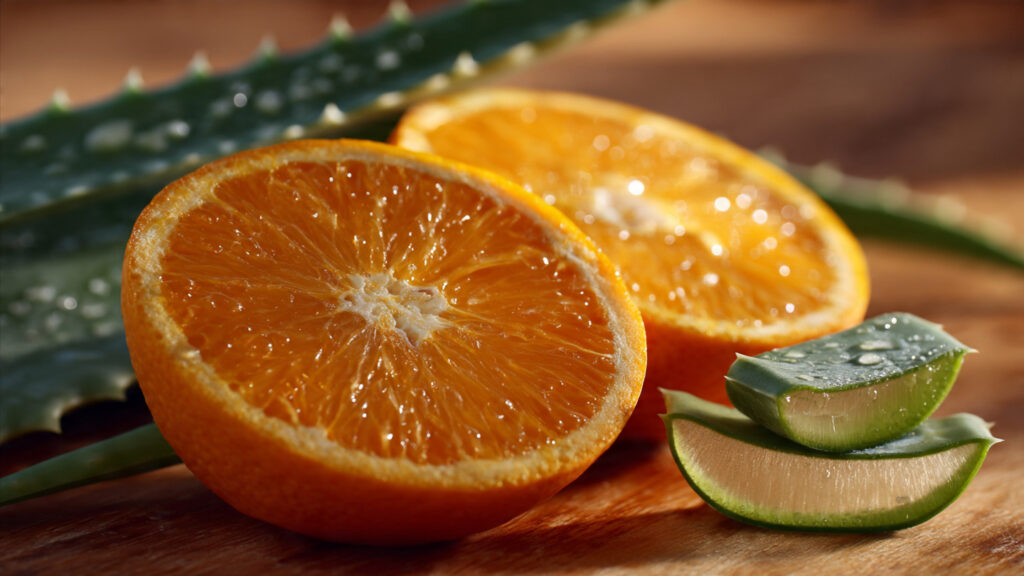
Orange trees are beloved for their juicy, sweet fruits and refreshing aroma, but achieving high yields isn’t always easy. Many growers struggle with low fruit production, weak saplings, or slow-growing trees. Fortunately, there’s a natural, effective way to boost your citrus yield: grafting with aloe vera. This simple technique strengthens your orange trees, encourages faster growth, and improves fruit quality — all using a natural, chemical-free method. In this guide, we’ll explore everything you need to know about easy orange grafting with aloe vera and how it can transform your citrus garden.
Why Grafting is Essential for Orange Trees
Grafting is a horticultural technique where the tissue of one plant (the scion) is joined to another plant (the rootstock) so they grow as a single tree. This method is widely used for citrus trees because it:
- Ensures faster fruiting: Grafted trees often produce fruit earlier than those grown from seeds.
- Maintains fruit quality: The scion determines the fruit’s flavor, sweetness, and size.
- Improves disease resistance: Using a strong rootstock enhances the tree’s ability to withstand pests and pathogens.
- Increases yield: Healthy grafts support more flowers and fruits per branch.
By combining the right scion and rootstock, grafting allows you to create a productive orange tree that is resilient and high-yielding.
Why Aloe Vera Helps in Grafting
Aloe vera isn’t just a medicinal plant; it’s also a natural ally for gardeners. Using aloe vera gel during grafting provides multiple benefits:
- Promotes healing: Aloe vera contains compounds that accelerate the healing of plant tissues.
- Prevents infection: Its antibacterial and antifungal properties reduce the risk of graft infections.
- Encourages growth: Nutrients in the gel stimulate cell regeneration and callus formation at the graft junction.
- Chemical-free: Aloe vera is a safe, eco-friendly alternative to synthetic grafting pastes.
Applying aloe vera during grafting makes the union between scion and rootstock stronger, increasing the success rate of your grafts.
Materials You’ll Need
Before starting, gather the following items for easy orange grafting with aloe vera:
- Healthy orange rootstock (young seedling or established tree branch)
- Scion from a desired orange variety (1-year-old healthy branch)
- Sharp grafting knife or blade
- Aloe vera leaf (fresh, preferably mature)
- Plastic wrap or grafting tape
- Pruning shears
- Clean cloth for wiping tools
- Optional: small rubber bands to secure grafts
Having all materials ready ensures a smooth, successful grafting process.
Step-by-Step Guide to Orange Grafting with Aloe Vera
Step 1: Choose the Right Scion and Rootstock
Select a healthy, disease-free scion from a mature orange tree that produces sweet, juicy fruits. The rootstock should also be vigorous and well-established. Ideally, the scion and rootstock should be of similar thickness to ensure proper vascular connection.
Step 2: Prepare the Rootstock
- Trim the rootstock branch at a 45-degree angle using a clean, sharp knife.
- Remove any leaves or small branches near the grafting site.
- Ensure the cut surface is smooth to facilitate proper contact with the scion.
Step 3: Prepare the Scion
- Cut the scion into a wedge shape at the base, matching the rootstock’s cut.
- Trim away any damaged tissues or dried ends.
- Apply fresh aloe vera gel generously on the cut surface. This acts as a natural healing agent and promotes successful graft union.
Step 4: Join the Scion and Rootstock
- Carefully insert the scion wedge into the rootstock cut, ensuring the cambium layers (the green inner layer under the bark) align.
- Press gently but firmly to secure the scion in place. Proper cambium alignment is crucial for nutrient and water transport between scion and rootstock.
Step 5: Secure the Graft
- Wrap the graft union with grafting tape, plastic wrap, or a rubber band.
- Ensure the union is snug but not too tight, as the scion needs some space to expand.
- If desired, coat the wrapped area with more aloe vera gel to prevent drying and infection.
Step 6: Care After Grafting
- Place the grafted plant in a shaded, humid environment for the first 2–3 weeks.
- Water the plant lightly but consistently to keep the rootstock hydrated.
- Avoid fertilizing immediately; let the graft union heal first.
- After the graft takes (usually 3–4 weeks), gradually move the plant to more sunlight.
Proper aftercare ensures the graft heals quickly, leading to a strong, productive orange tree.
Advantages of Using Aloe Vera in Orange Grafting
- Higher success rate: Natural healing compounds reduce graft failure.
- Faster callus formation: Tissue regeneration at the graft site is accelerated.
- Reduced disease risk: Antimicrobial properties prevent infections.
- Eco-friendly and safe: No synthetic chemicals are needed, making it ideal for home gardens.
Using aloe vera is a simple, natural way to boost your grafting results and improve citrus productivity.
Tips for Boosting Citrus Yield
Even with successful grafting, care throughout the growing season determines your tree’s productivity:
- Sunlight: Orange trees need 6–8 hours of direct sunlight daily. More sunlight encourages flowering and fruit set.
- Pruning: Remove weak or crowded branches to allow better airflow and sunlight penetration.
- Fertilization: Feed your tree with a balanced fertilizer rich in nitrogen, phosphorus, and potassium. Organic options like compost or vermicompost work well.
- Watering: Keep soil consistently moist, especially during flowering and fruiting stages. Avoid waterlogging.
- Mulching: Apply organic mulch around the base to retain moisture, suppress weeds, and regulate soil temperature.
- Pest management: Watch for common pests like aphids, scale insects, and caterpillars. Use natural sprays like neem oil if necessary.
Consistent care after grafting ensures your tree thrives and produces a bountiful harvest.
Common Mistakes to Avoid
- Misaligned cambium layers: If the cambium layers of scion and rootstock don’t touch, the graft will fail.
- Over-tight wrapping: Wrapping too tightly can crush the scion or prevent growth.
- Excessive sunlight post-grafting: Direct sun can dry the graft before it heals.
- Neglecting aloe vera gel: Skipping this step reduces the natural protection and healing benefits.
Being aware of these mistakes will improve your success rate and yield.
When to Expect Results
Grafted orange trees often produce fruit 1–2 years earlier than seed-grown trees. With proper care:
- Flowering may begin 6–12 months after successful grafting.
- Fruit development occurs shortly after flowering, depending on variety and climate.
- Regular pruning and care increase the number of flowers, directly boosting yield.
By using aloe vera in the grafting process, you give your tree a natural head start, leading to stronger growth and higher productivity.
➡️ How to Grow Malabar Spinach from Cuttings for Fast, Easy Greens
➡️ How to Grow Super Delicious Cabbage at Home Without a Garden
➡️ How to Grow Bean Sprouts at Home in Plastic Bottles Easily (Step‑by‑Step Guide)
➡️ Why is Your Lemon Tree Blooming in the Heart of Winter?
➡️ Why Should Your Garden Have a Dedicated Pollinator Highway?
➡️ Why Do Your Fruit Trees Need a Winter Wash to Thrive in Spring?
➡️ How Can Rice Water Transform Your Fruits into Sweeter Delights?
➡️ Jumpstart Your Winter Garden: Seed Starting Under Lights
Conclusion
Orange grafting with aloe vera is a simple, natural, and effective way to boost citrus yields. This eco-friendly method accelerates healing, prevents infections, and strengthens the graft union, giving your orange trees a head start toward abundant flowering and fruiting. By combining proper grafting technique with consistent care — including sunlight, pruning, fertilization, and watering — you can transform a young tree into a high-yielding, healthy citrus powerhouse.
Whether you’re a home gardener looking to enjoy fresh oranges from your backyard or a small-scale grower aiming for better productivity, using aloe vera in your grafting process is an accessible and powerful strategy. With patience, attention, and the natural support of aloe vera, you can enjoy juicy, sweet oranges in record time — a reward for your effort and care that tastes as good as it looks.