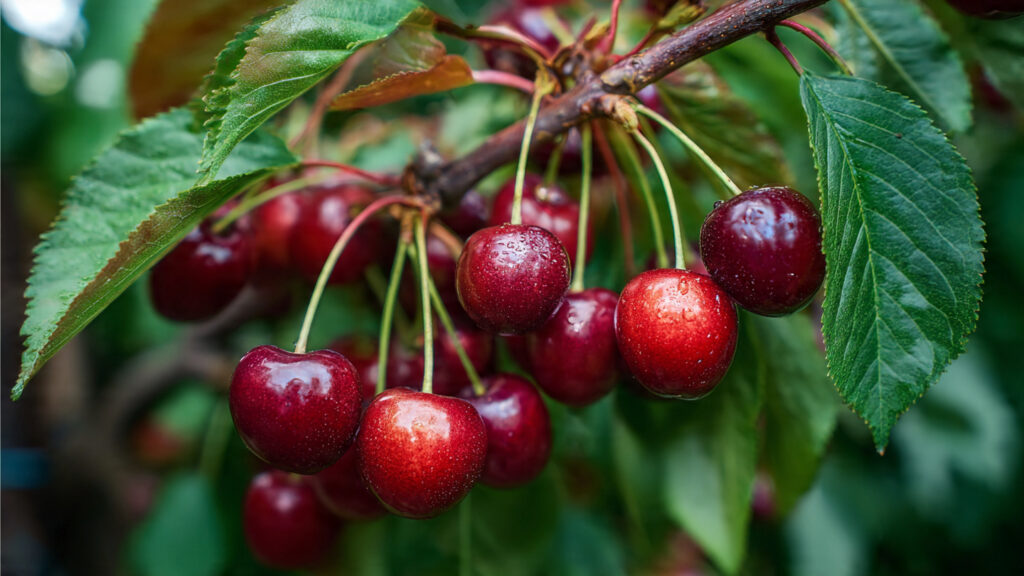
Growing cherry trees from seed can be a rewarding journey, but it often requires years of patience before you see your first blossoms or fruit. If you want faster growth, earlier fruiting, and stronger trees, grafting is the simple yet powerful technique every gardener should learn. With the right approach, you can significantly accelerate the development of your cherry tree and enjoy harvests much sooner.
Cherry trees, particularly sweet cherry varieties like Prunus avium, respond exceptionally well to grafting. By combining a vigorous rootstock with a high-quality fruiting scion, you create a tree that grows faster, fruits earlier, and produces reliable results.
This comprehensive guide explains how grafting works, why it speeds up growth, and how you can successfully graft cherry trees at home.
Why Grafting Makes Cherry Trees Grow Faster
When you grow a cherry tree from seed, it must first establish a root system, then develop vegetative growth before reaching maturity. This can take 5–7 years or longer before fruiting begins.
Grafting bypasses this long juvenile phase.
Here’s Why:
- The scion comes from a mature, fruit-bearing tree.
- The rootstock is already established and vigorous.
- Growth energy is directed toward fruiting sooner.
- The tree inherits disease resistance from the rootstock.
As a result, grafted cherry trees often begin producing fruit in 2–3 years instead of waiting many seasons.
Understanding the Basics of Grafting
Grafting is the process of joining two plant parts so they grow as one.
Key Components:
Rootstock:
The lower portion with roots. It determines tree size, disease resistance, and growth strength.
Scion:
A cutting taken from a mature, fruit-producing cherry tree. It determines the fruit variety.
When the cambium layers (the green layer beneath the bark) of both parts align properly, they fuse together and grow into a single tree.
Choosing the Right Rootstock
Rootstock selection plays a crucial role in how fast your cherry tree grows.
Ideal Rootstock Characteristics:
- Strong root system
- Disease resistance
- Compatible with your cherry variety
- Suitable for your climate
Dwarfing rootstocks can control tree size while maintaining productivity. Vigorous rootstocks promote faster overall growth.
Selecting a Healthy Scion
The scion should come from a healthy, mature cherry tree that consistently produces quality fruit.
Scion Selection Tips:
- Choose pencil-thick branches.
- Select dormant wood (late winter cuttings).
- Ensure buds are well-developed.
- Avoid diseased or damaged wood.
Store scions in a cool, moist environment until ready to graft.
Best Time to Graft Cherry Trees
Timing is critical for success.
➡️ How to Grow Malabar Spinach from Cuttings for Fast, Easy Greens
➡️ How to Grow Super Delicious Cabbage at Home Without a Garden
➡️ How to Grow Bean Sprouts at Home in Plastic Bottles Easily (Step‑by‑Step Guide)
➡️ Why is Your Lemon Tree Blooming in the Heart of Winter?
➡️ Why Should Your Garden Have a Dedicated Pollinator Highway?
➡️ Why Do Your Fruit Trees Need a Winter Wash to Thrive in Spring?
➡️ How Can Rice Water Transform Your Fruits into Sweeter Delights?
➡️ Jumpstart Your Winter Garden: Seed Starting Under Lights
Ideal Grafting Season:
- Late winter to early spring
- When rootstock is just beginning active growth
- Before leaves fully emerge
During this period, sap flow is strong, promoting quicker healing and union formation.
The Simple Grafting Technique: Cleft Grafting
Cleft grafting is one of the easiest and most reliable methods for beginners.
Step-by-Step Guide:
- Cut the rootstock horizontally at a clean, straight point.
- Make a vertical split (about 1–2 inches deep).
- Trim the base of the scion into a wedge shape.
- Insert the scion into the split, aligning cambium layers.
- Secure tightly with grafting tape.
- Seal exposed areas with grafting wax.
This method ensures strong contact between tissues, increasing success rates.
Alternative Method: Whip and Tongue Grafting
If the rootstock and scion are similar in thickness, whip and tongue grafting offers excellent stability.
Why It Works Well:
- Strong mechanical support
- Larger cambium contact area
- Faster healing
Though slightly more advanced, it produces very strong graft unions.
Aftercare: The Secret to Rapid Growth
Successful grafting doesn’t end with tying the scion in place. Proper aftercare determines whether the graft thrives.
1. Protect from Harsh Sunlight
Keep newly grafted trees in partial shade for a few weeks.
2. Maintain Proper Moisture
Water regularly but avoid waterlogging.
3. Remove Competing Shoots
Cut off any shoots growing below the graft union to direct energy into the scion.
4. Monitor the Graft Union
Check for signs of healing and remove tape once the union is strong (usually after several weeks).
Why Grafted Cherry Trees Fruit Sooner
Cherry trees grown from seed go through a juvenile stage where they focus solely on vegetative growth.
A grafted scion, however, is already biologically mature.
This means:
- Flower buds can form earlier.
- Fruit production starts sooner.
- Tree structure develops faster.
The rootstock’s established root system also supplies nutrients efficiently, accelerating overall growth.
Pruning for Faster Development
Pruning is essential for encouraging strong branch structure and faster fruiting.
Early Pruning Tips:
- Train central leader system.
- Remove weak or crossing branches.
- Maintain open canopy for sunlight penetration.
Proper pruning ensures balanced growth and higher fruit yield.
Fertilization for Rapid Growth
Nutrient management directly impacts growth speed.
Feeding Guidelines:
- Apply balanced fertilizer in early spring.
- Use compost to enrich soil.
- Avoid excessive nitrogen, which can delay fruiting.
Healthy soil promotes vigorous root development and strong canopy growth.
Pest and Disease Management
Cherry trees can be susceptible to:
- Aphids
- Borers
- Fungal diseases
- Leaf spot
Regular inspection, proper spacing, and good airflow reduce disease risk. Healthy graft unions are less vulnerable to infection.
Common Grafting Mistakes to Avoid
Even a simple technique requires attention to detail.
Avoid These Errors:
- Misaligning cambium layers
- Using dry or weak scions
- Grafting during extreme weather
- Failing to secure the union tightly
- Neglecting aftercare
Small mistakes can lead to graft failure, so precision matters.
How Much Faster Will Your Tree Grow?
With proper grafting:
- Fruit production can begin in 2–3 years.
- Growth rate increases due to established roots.
- Tree size develops faster compared to seedlings.
While “twice as fast” may vary depending on conditions, grafted trees consistently outperform seed-grown trees in early development.
Can Beginners Successfully Graft Cherry Trees?
Absolutely. While grafting may seem technical, cleft grafting is simple enough for home gardeners.
All you need:
- Sharp pruning knife
- Grafting tape
- Healthy rootstock and scion
- Patience and careful handling
Practice improves success rates.
Long-Term Care for Maximum Yield
To maintain strong growth and consistent harvests:
- Water deeply but infrequently.
- Mulch to retain moisture.
- Prune annually.
- Protect blossoms from late frost.
- Ensure full sunlight exposure.
Well-maintained grafted cherry trees can remain productive for decades.
Final Thoughts
If you want faster-growing cherry trees and earlier harvests, grafting is the technique you need to master. By combining a strong rootstock with a mature scion, you eliminate years of waiting and significantly boost productivity.
The process may seem complex at first, but with simple methods like cleft grafting, even beginners can achieve success. With proper aftercare, balanced pruning, and consistent maintenance, your grafted cherry tree can grow vigorously and reward you with beautiful blossoms and abundant fruit much sooner than you imagined.
Learning this simple grafting technique transforms you from a patient observer into a proactive orchardist — accelerating growth, improving yield, and maximizing your gardening success.