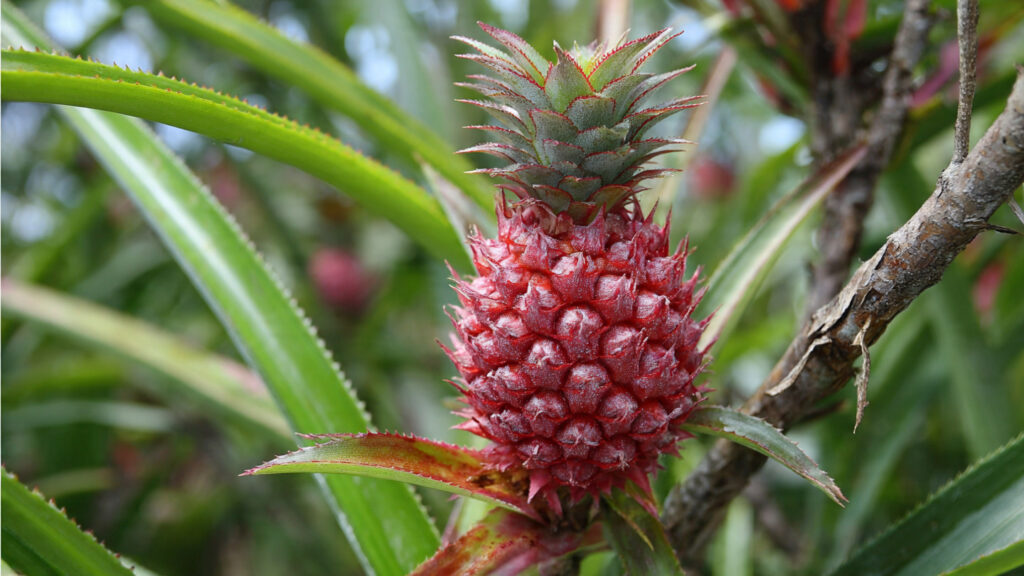
Pineapples are one of the most rewarding tropical fruits you can grow at home. Their bold appearance, sweet flavor, and ability to thrive in containers make them especially appealing to home gardeners. Most people grow pineapple from the crown of a store-bought fruit and patiently wait for harvest. But what if there were a lesser-known method that could improve plant vigor, speed up production, and potentially boost yield — naturally?
While pineapple grafting isn’t as common as grafting fruit trees, experienced growers have experimented with advanced propagation techniques to enhance plant performance. In this article, we’ll uncover the little-discussed pineapple “grafting” trick, explain how it works, and show you how to use it effectively in your own garden.
Understanding Pineapple Growth Basics
Before diving into grafting techniques, it’s important to understand how pineapples grow. The pineapple plant, scientifically known as Ananas comosus, belongs to the bromeliad family. Unlike most fruit plants, it produces a single fruit per plant. After fruiting, the mother plant gradually declines but produces offshoots called suckers, slips, or pups.
These offshoots are key to boosting pineapple production. Rather than starting from seed or crown each time, growers can use these naturally occurring shoots to multiply plants faster and maintain strong genetics.
Is Pineapple Grafting Really Possible?
Traditional grafting involves joining two different plants so they grow as one. This is common with apples, mangoes, and citrus. However, pineapples are monocots (single seed-leaf plants), which lack the vascular cambium layer needed for standard grafting.
So how does the “grafting trick” work?
The technique often described as pineapple grafting is actually a form of advanced vegetative propagation — combining vigorous suckers or slips onto a strong root base to enhance productivity. While it’s not grafting in the classical tree sense, the principle of combining plant strengths still applies.
The Secret Trick: Multi-Sucker Root Base Enhancement
Here’s the simple but powerful technique many growers quietly use:
Instead of allowing only one sucker to grow from the mother plant, select the strongest root base and encourage multiple healthy suckers to establish simultaneously. Then strategically remove weaker growth and allow two vigorous shoots to mature together under controlled conditions.
This creates a stronger root system feeding multiple fruiting points, increasing overall productivity per planting space.
In some cases, growers carefully attach a young slip to a partially cut base of a mature rootstock to encourage fusion. While results vary, the underlying goal is the same: maximize root strength to support stronger fruit development.
Why This Technique Boosts Yield Naturally
The secret lies in root energy and nutrient allocation.
A mature pineapple root system is more efficient at absorbing nutrients and water than a young crown cutting. When you allow strong suckers to develop from an established root base, they grow faster and often produce fruit earlier than crown-grown plants.
Benefits include:
- Faster establishment
- Larger fruit size
- Increased overall harvest
- Improved plant resilience
- Better drought tolerance
Because the root system is already mature and well-developed, the plant invests less time in building roots and more time in producing fruit.
➡️ How to Grow Malabar Spinach from Cuttings for Fast, Easy Greens
➡️ How to Grow Super Delicious Cabbage at Home Without a Garden
➡️ How to Grow Bean Sprouts at Home in Plastic Bottles Easily (Step‑by‑Step Guide)
➡️ Why is Your Lemon Tree Blooming in the Heart of Winter?
➡️ Why Should Your Garden Have a Dedicated Pollinator Highway?
➡️ Why Do Your Fruit Trees Need a Winter Wash to Thrive in Spring?
➡️ How Can Rice Water Transform Your Fruits into Sweeter Delights?
➡️ Jumpstart Your Winter Garden: Seed Starting Under Lights
Step-by-Step Guide to the Pineapple “Grafting” Trick
Step 1: Choose a Healthy Mother Plant
Start with a disease-free pineapple plant that has already produced fruit or is near maturity. A healthy base ensures strong sucker development.
Step 2: Identify Strong Suckers
After fruiting, look for thick, vigorous suckers growing from the base. Choose two of the healthiest ones.
Avoid thin or weak shoots.
Step 3: Controlled Growth Strategy
Allow the selected suckers to grow simultaneously while removing excess smaller shoots. This concentrates energy into fewer but stronger growth points.
Step 4: Nutrient Boosting
Feed the plant with balanced organic fertilizer rich in potassium and phosphorus. Compost tea, seaweed extract, and bone meal work well.
Step 5: Maintain Sunlight and Drainage
Pineapples require at least 6–8 hours of sunlight daily. Ensure the soil drains well, as waterlogging can damage the root system.
Step 6: Monitor and Support
As the new plants mature, provide consistent watering and occasional foliar feeding to maximize vigor.
With this method, each mature root system can support multiple strong fruiting plants across cycles.
Optional Advanced Technique: Rootstock Fusion Attempt
Some experimental growers try a more literal approach:
- Slice a small vertical incision in the base of a strong pineapple rootstock.
- Insert a freshly cut slip into the incision.
- Secure gently with plant tape.
- Maintain high humidity until fusion occurs.
Success rates vary, and it requires careful hygiene to prevent rot. While not guaranteed, some growers report improved vigor when fusion succeeds.
This method should be attempted only by experienced gardeners comfortable with plant propagation techniques.
Ideal Growing Conditions for Maximum Yield
To truly benefit from this technique, you must optimize growing conditions.
Soil
- Sandy, well-draining soil
- Slightly acidic pH (5.5–6.5)
Watering
- Moderate watering
- Allow top soil to dry between watering
Fertilization
- Monthly feeding during active growth
- Increase potassium before flowering
Temperature
- Ideal range: 20–32°C
- Protect from frost
Because pineapples are tropical plants, warmth significantly affects fruit size and sweetness.
Common Mistakes to Avoid
Even with a strong root system, mistakes can limit productivity.
- Overwatering
- Poor drainage
- Excess nitrogen fertilizer
- Allowing too many suckers to grow
- Ignoring pest infestations
The key is balance. Too many shoots divide energy; too few underutilize root strength.
Does This Really Increase Yield?
In traditional pineapple farming, growers often rely on sucker propagation rather than crown planting for commercial efficiency. The principle behind the “secret trick” aligns with this agricultural practice.
A mature root base simply performs better than a newly rooted crown.
While you won’t double production overnight, you can:
- Reduce time to fruiting
- Improve fruit size
- Extend productive cycles
- Maximize limited garden space
For container gardeners, this technique is especially useful because it allows you to maintain fewer pots while sustaining higher productivity.
Can You Try This at Home?
Absolutely.
Even beginner gardeners can practice selective sucker management to strengthen pineapple production. It requires patience, observation, and proper care — but no expensive tools or chemicals.
If you already grow pineapple in pots or your backyard, try allowing two strong suckers to mature instead of replanting crowns every season.
You may notice stronger growth and more consistent fruiting cycles.
Sustainability Benefits
This method is also environmentally friendly:
- Reduces need for new planting material
- Encourages natural plant multiplication
- Minimizes waste
- Maximizes space efficiency
- Supports organic growing practices
By working with the plant’s natural growth cycle instead of against it, you create a more sustainable gardening system.
Final Thoughts
The “secret” pineapple grafting trick isn’t really magic — it’s smart plant management.
By leveraging a mature root system and encouraging controlled sucker development, you allow the plant to channel its energy more efficiently. While pineapples cannot be grafted like traditional fruit trees, this advanced propagation method mimics the benefits of grafting by combining strength and productivity.
Whether you’re a rooftop gardener, backyard enthusiast, or container grower, this technique can help you grow healthier plants and enjoy bigger, sweeter harvests.