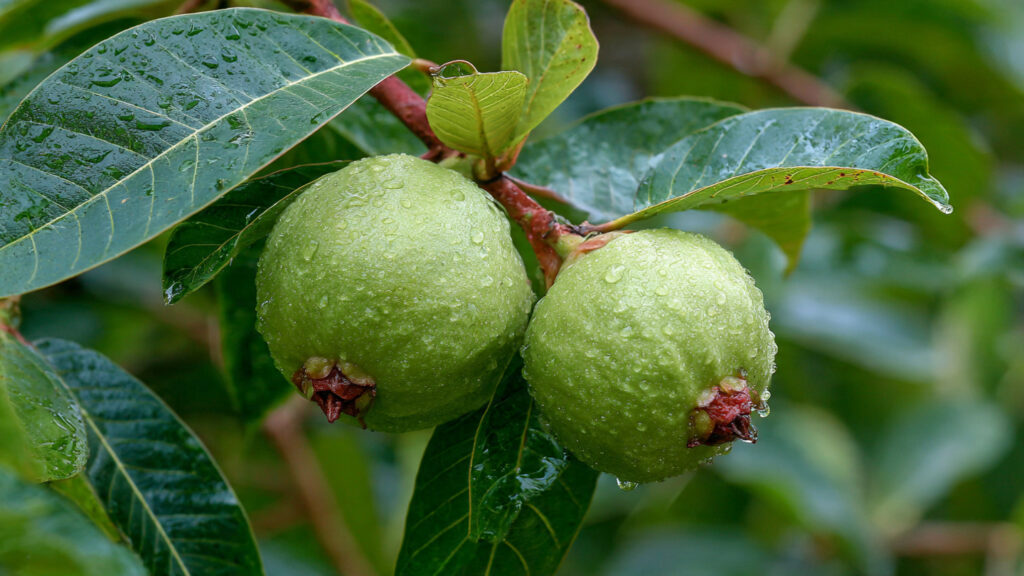
Guava, often called the “apple of the tropics,” is a highly nutritious fruit rich in vitamin C, fiber, and antioxidants. Its sweet aroma, delicious taste, and health benefits have made it a favorite for both home gardeners and commercial growers. However, one of the biggest challenges for guava cultivation has been the long time it takes for plants to bear fruit and achieving consistently high yields. Traditionally, guava plants started fruiting after 3 to 5 years from seed, and production could be irregular. Fortunately, innovative cultivation techniques now make it possible to enjoy early fruiting and heavy production, even with limited space and resources.
This article introduces a smart technique for growing guava plants that ensures early fruiting, robust growth, and bountiful harvests. Whether you are a hobbyist or a serious farmer, these methods can transform your guava-growing experience.
Understanding Guava Growth
Before diving into advanced techniques, it’s essential to understand the basic biology of guava. Guava plants thrive in tropical and subtropical climates, preferring warm temperatures between 23°C and 28°C (73°F–82°F). They tolerate various soil types, but well-drained sandy loam soils rich in organic matter yield the best results.
Key factors influencing guava growth include:
- Sunlight: Full sun exposure is essential for strong flowering and fruiting.
- Water: Guava plants need regular watering, especially during dry periods, but waterlogging can harm roots.
- Nutrients: Guava requires balanced nutrition with nitrogen for growth, phosphorus for root development, and potassium for fruiting.
Even with these basic requirements, the traditional guava-growing approach has a major limitation: slow fruiting and inconsistent yields. That’s where the new smart technique comes in.
Introducing the Smart Technique
The new method combines grafting, high-density planting, and precision nutrition management to achieve faster fruiting and higher yields. Here’s a breakdown:
1. Grafting for Early Fruiting
One of the most effective ways to accelerate guava fruiting is grafting. Grafting involves joining a scion (a branch from a mature, fruit-bearing guava tree) onto a young rootstock. This technique ensures that the new plant inherits the fruiting characteristics of the scion and skips the slow juvenile phase of seed-grown plants.
Steps for successful guava grafting:
- Select Healthy Rootstock: Choose 6–12-month-old seedling rootstocks that are disease-free and vigorous.
- Choose a Scion: Pick a scion from a high-yielding, disease-resistant guava variety with good taste. Popular choices include Allahabad Safeda, Red Malaysian, and Lucknow-49.
- Grafting Method: The cleft grafting method is recommended for guava. Make a clean cut in the rootstock, insert the scion, and wrap it with grafting tape to secure it.
- Care After Grafting: Keep the grafted plant in a shaded area for 2–3 weeks and maintain moderate humidity. Once the graft takes, gradually expose it to sunlight.
With proper care, grafted guava plants can start flowering and fruiting within 12–18 months, compared to 3–5 years for seed-grown plants.
2. High-Density Planting
High-density planting is another innovation that maximizes yield per unit area. Traditional guava orchards space plants 8–10 meters apart, which limits production. High-density planting reduces spacing to 3–4 meters, allowing more plants per acre without compromising health if managed properly.
Tips for high-density guava planting:
- Use dwarf or semi-dwarf guava varieties suited for close spacing.
- Ensure adequate sunlight penetration by pruning regularly.
- Monitor for pest and disease pressure, as dense planting can increase vulnerability.
By combining high-density planting with grafted plants, farmers can harvest multiple flushes of guava each year.
3. Precision Nutrition Management
Guava plants require balanced nutrition to achieve early fruiting and high yields. Precision nutrition management involves providing the right nutrients at the right time, tailored to the plant’s growth stage.
Nutrient recommendations for guava:
- Vegetative stage: Nitrogen-rich fertilizers promote healthy growth and strong leaves. Use organic options like compost or well-rotted manure.
- Flowering stage: Phosphorus supports flower initiation, while potassium enhances flower quality and fruit set.
- Fruiting stage: Potassium and micronutrients like magnesium, zinc, and boron improve fruit size, color, and taste.
Foliar sprays of micronutrients during flowering can significantly boost fruit set and overall yield.
➡️ How to Grow Malabar Spinach from Cuttings for Fast, Easy Greens
➡️ How to Grow Super Delicious Cabbage at Home Without a Garden
➡️ How to Grow Bean Sprouts at Home in Plastic Bottles Easily (Step‑by‑Step Guide)
➡️ Why is Your Lemon Tree Blooming in the Heart of Winter?
➡️ Why Should Your Garden Have a Dedicated Pollinator Highway?
➡️ Why Do Your Fruit Trees Need a Winter Wash to Thrive in Spring?
➡️ How Can Rice Water Transform Your Fruits into Sweeter Delights?
➡️ Jumpstart Your Winter Garden: Seed Starting Under Lights
4. Pruning and Training
Proper pruning shapes the guava tree for maximum sunlight penetration, better air circulation, and easier harvesting. Here’s how:
- First year: Focus on establishing a strong central leader and removing weak or diseased branches.
- Subsequent years: Conduct light pruning after each harvest to remove old wood and stimulate new shoots.
- Training: Use low branching to encourage a bushy canopy that supports more fruit-bearing branches.
Well-pruned trees not only produce more fruits but also maintain health and resist pests better.
5. Integrated Pest and Disease Management
Even with grafting and proper nutrition, guava plants are susceptible to pests like fruit flies, aphids, and diseases like wilt or anthracnose. An integrated approach minimizes losses:
- Regular monitoring: Inspect plants weekly for early signs of infestation.
- Biological controls: Introduce natural predators like ladybugs for aphids.
- Organic sprays: Use neem oil or garlic extracts to reduce pest pressure without harming beneficial insects.
- Sanitation: Remove fallen fruits and diseased branches to prevent pathogen spread.
Proactive management ensures the plant focuses energy on fruit production rather than defense.
6. Water Management
Optimal water management is critical for early fruiting. Overwatering or drought can stress the plant, delaying flowering and reducing yields.
- Drip irrigation: Provides precise water directly to the roots, conserving water and preventing fungal diseases.
- Mulching: Organic mulch around the base retains moisture, regulates soil temperature, and adds nutrients as it decomposes.
- Stress induction: Moderate water stress before flowering can sometimes stimulate flowering in guava.
7. Harvesting for Maximum Production
Early fruiting and heavy production are only useful if you know when and how to harvest. Guava fruits should be picked at the mature green stage for storage or allowed to ripen on the tree for immediate consumption. Proper harvesting techniques reduce fruit drop and damage:
- Handle fruits gently to prevent bruising.
- Use sharp clippers to cut fruits rather than pulling.
- Harvest in the morning when temperatures are cooler.
Benefits of the New Smart Technique
- Early Fruiting: Grafted guava plants can fruit in 12–18 months, saving years of waiting.
- Heavy Production: High-density planting combined with proper pruning and nutrition results in multiple harvests.
- Better Fruit Quality: Precision nutrition ensures fruits are larger, sweeter, and more marketable.
- Space Efficiency: Ideal for small-scale farmers and home gardeners with limited space.
- Pest-Resistant Plants: Healthier, grafted plants with integrated pest management are less susceptible to diseases.
Ideal Varieties for Smart Guava Cultivation
Not all guava varieties respond equally to this technique. Popular choices include:
- Allahabad Safeda: Known for early flowering, large fruits, and sweet taste.
- Lucknow-49: Compact tree, suitable for high-density planting, produces excellent fruit.
- Red Malaysian: High yield, resistant to common pests, vibrant red flesh preferred in markets.
Selecting the right variety enhances the success of this method.
Conclusion
The new smart technique for growing guava plants offers a revolutionary approach to cultivation. By combining grafting, high-density planting, precision nutrition, proper pruning, and integrated pest management, gardeners and farmers can enjoy early fruiting, higher yields, and superior fruit quality.
For home gardeners, it means enjoying fresh guavas sooner without waiting years for seedlings to mature. For commercial farmers, it represents an opportunity to maximize production, reduce risk, and generate higher income from guava orchards.
Incorporating these methods into your guava-growing practice ensures that you reap the full potential of this tropical gem—delicious, nutritious, and profitable.