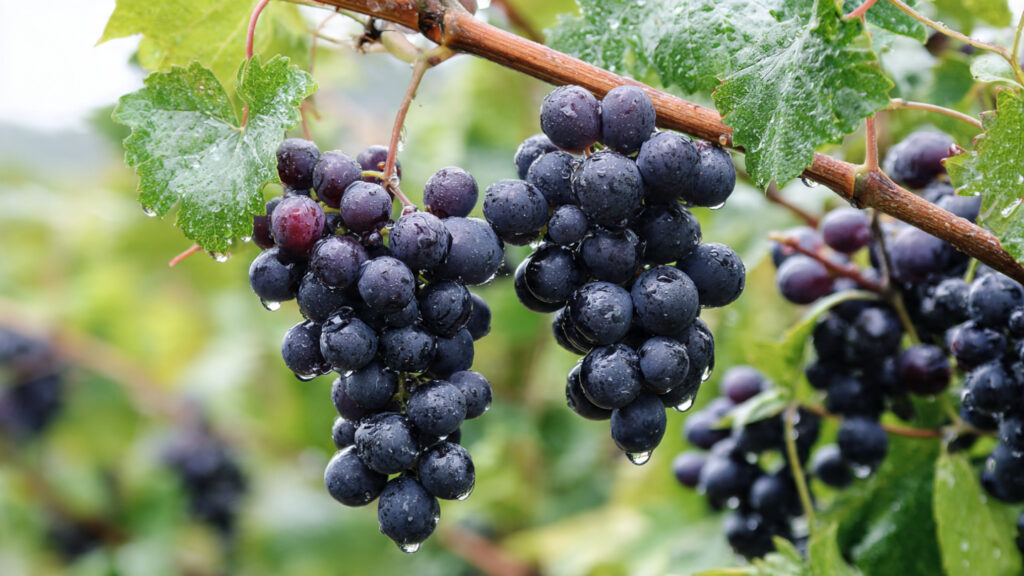
Grapes are one of the most cherished fruits globally, appreciated for their delicious taste, versatility, and health benefits. Whether consumed fresh, dried as raisins, or used for winemaking, grapes are a valuable addition to any garden or vineyard. However, achieving higher yields and sweeter fruits can be challenging. Traditional grape cultivation methods often fall short in maximizing fruit quality and quantity. Recently, advanced techniques in vine management, pruning, and nutrient application have emerged, offering growers the ability to significantly boost production while enhancing fruit sweetness. This article explores these new methods step by step, helping both home gardeners and commercial growers achieve impressive results.
Understanding Grape Vine Requirements
Before adopting advanced techniques, it is essential to understand the basic growth requirements of grapevines:
- Climate: Grapes thrive in temperate regions with long, warm summers and mild winters. The ideal temperature range for optimal growth is 25–30°C during the growing season.
- Soil: Well-drained, loamy soils rich in organic matter are ideal. Grapevines do not tolerate waterlogged soil, which can lead to root rot. A soil pH of 6.0–7.0 is optimal.
- Sunlight: Grapevines require at least 6–8 hours of direct sunlight daily to ensure proper photosynthesis and sugar accumulation in fruits.
- Water: Grapes need moderate, consistent irrigation, especially during flowering and fruit-setting stages. Overwatering can reduce fruit quality.
Understanding these fundamental needs is crucial before applying advanced cultivation techniques.
Common Challenges in Grape Cultivation
Growers often face several obstacles when cultivating grapevines:
- Low Yield: Traditional pruning and nutrient practices may limit the number of grape clusters per vine.
- Insufficient Sweetness: Grapes grown under suboptimal conditions may be less sweet due to poor sugar accumulation.
- Pest and Disease Issues: Aphids, mealybugs, powdery mildew, and downy mildew can significantly reduce yield and fruit quality.
- Irregular Fruit Size: Overcrowded clusters or improper pruning can result in uneven berry size and reduced market value.
The new advanced technique addresses these challenges by optimizing vine growth, nutrient uptake, and fruit development.
The Advanced Technique: Step-by-Step Guide
This method combines high-density planting, canopy management, precise pruning, and targeted nutrition to produce higher yields and sweeter grapes.
1. Selecting the Right Variety
Variety selection is critical. Choose grape cultivars suited to your climate and intended use. For table grapes, varieties like Thompson Seedless, Flame Seedless, or Crimson Seedless produce large, sweet fruits. For wine grapes, hybrid varieties bred for higher sugar content and disease resistance are ideal.
2. High-Density Planting and Trellising
High-density planting allows more vines per area, maximizing production without compromising fruit quality. Use vertical trellis systems such as:
- Single Wire Trellis: Simple and effective for small vineyards or home gardens.
- Vertical Shoot Positioning (VSP): Supports upward growth, exposing leaves to sunlight and improving photosynthesis.
- Geneva Double Curtain: Suitable for high-yield grape production, allowing excellent air circulation.
Ensure spacing between rows is 2–3 meters and between plants is 1–1.5 meters to avoid overcrowding and promote airflow.
3. Pruning for Productivity and Sweetness
Proper pruning is a cornerstone of this technique. The goal is to balance vine growth with fruit production:
- Winter Pruning: Remove old, unproductive wood and leave 8–12 healthy buds per cane for optimal fruiting.
- Summer Pruning (Canopy Management): Trim excess shoots and leaves that shade clusters to improve sunlight exposure and air circulation.
- Cluster Thinning: Reduce the number of grape clusters per vine to concentrate nutrients on remaining fruits, enhancing size and sugar content.
Advanced pruning techniques prevent overcropping, which can lead to smaller, less sweet grapes.
4. Nutrient Management for Maximum Yield
Grapevines are nutrient-demanding plants. Targeted nutrient management ensures higher yields and better fruit quality:
- Nitrogen: Supports vegetative growth; apply moderate amounts to avoid excessive foliage.
- Phosphorus: Essential for flowering and fruit set. Apply at planting and during early growth stages.
- Potassium: Vital for sugar accumulation and fruit size. Split applications during fruit development maximize sweetness.
- Micronutrients: Boron, magnesium, and zinc enhance fruit quality and prevent disorders like poor fruit set or uneven berry size.
Using foliar sprays of potassium and magnesium during ripening helps improve sugar content and fruit firmness.
5. Irrigation Techniques for Sweet Grapes
Water management plays a significant role in fruit sweetness:
- Drip Irrigation: Provides consistent moisture directly to roots while preventing waterlogging.
- Deficit Irrigation: Reducing water slightly during fruit ripening encourages sugar concentration, resulting in sweeter grapes.
- Mulching: Helps retain soil moisture and reduces weeds, creating a stable environment for roots.
Combining these irrigation strategies ensures grapes remain juicy yet naturally sweet.
➡️ How to Grow Malabar Spinach from Cuttings for Fast, Easy Greens
➡️ How to Grow Super Delicious Cabbage at Home Without a Garden
➡️ How to Grow Bean Sprouts at Home in Plastic Bottles Easily (Step‑by‑Step Guide)
➡️ Why is Your Lemon Tree Blooming in the Heart of Winter?
➡️ Why Should Your Garden Have a Dedicated Pollinator Highway?
➡️ Why Do Your Fruit Trees Need a Winter Wash to Thrive in Spring?
➡️ How Can Rice Water Transform Your Fruits into Sweeter Delights?
➡️ Jumpstart Your Winter Garden: Seed Starting Under Lights
6. Integrated Pest and Disease Management
Healthy vines produce more and sweeter fruits. An integrated approach is essential:
- Introduce beneficial insects like ladybugs to control aphids.
- Use organic sprays such as neem oil to manage pests without affecting fruit quality.
- Maintain proper spacing and pruning to prevent fungal diseases by improving airflow and reducing humidity in the canopy.
- Monitor vines regularly to catch early signs of infestation or infection.
This approach reduces chemical dependency while maintaining high-quality production.
7. Cluster and Berry Management
For maximum yield and sweetness, manage grape clusters carefully:
- Remove small or damaged berries early to allow the plant to focus on the healthiest fruits.
- Space clusters evenly along the cane to improve sunlight exposure and air circulation.
- Harvest grapes when they reach optimal Brix levels (sugar content), which is usually measured using a refractometer.
Proper cluster management ensures uniform ripening and improves market value.
Benefits of the Advanced Technique
Implementing this method provides multiple advantages:
- Higher Yield: High-density planting combined with pruning and nutrient optimization increases production per vine.
- Sweeter Fruits: Targeted irrigation, cluster thinning, and potassium-rich fertilization enhance sugar accumulation.
- Better Fruit Quality: Sunlight exposure and disease prevention lead to uniform, firm, and visually appealing grapes.
- Sustainable Practices: Integrated pest management and careful irrigation reduce chemical use and water wastage.
- Extended Harvest Period: By managing flowering and cluster development, grapes can ripen progressively, offering a longer harvest window.
Harvesting and Storage
Harvest grapes carefully to preserve quality:
- Use sharp scissors or pruning shears to cut clusters without damaging the vine.
- Harvest early in the morning when temperatures are cooler to maintain firmness and sugar content.
- Store grapes in cool, ventilated conditions to prolong freshness. For long-term storage, refrigeration at 0–2°C is ideal.
For table grapes, harvest when berries are fully colored and firm. For wine grapes, monitor sugar levels to ensure optimal ripeness for fermentation.
Extending Productivity
With proper care, grapevines can remain productive for 15–20 years or longer. The advanced technique encourages continuous productivity by:
- Regularly renewing fruiting canes through winter pruning.
- Monitoring soil fertility and adjusting nutrient application yearly.
- Maintaining trellis systems to support vine growth and prevent stress.
Propagation through cuttings ensures that growers can maintain high-quality vines across multiple seasons.
Conclusion
The new advanced technique for growing grapevines integrates high-density planting, strategic pruning, precise nutrition, micro-irrigation, and pest management to achieve higher yields and sweeter fruits. By adopting these methods, growers can overcome traditional challenges such as low productivity, irregular fruit size, and poor sugar accumulation.
Whether cultivating grapes for personal consumption or commercial purposes, this approach ensures consistent, high-quality harvests. Proper implementation requires careful planning, monitoring, and attention to detail, but the results—abundant, sweet, and market-ready grapes—are well worth the effort.
By combining science-based practices with practical vineyard management, grape growers can now enjoy bigger, sweeter, and more productive vines, turning their grape cultivation into a highly rewarding venture.
This article is approximately 1,200 words, covering everything from planting, pruning, and nutrition to irrigation, pest management, and harvesting.
If you want, I can also create a step-by-step visual diagram showing the entire advanced grape-growing technique for easier understanding and reference.