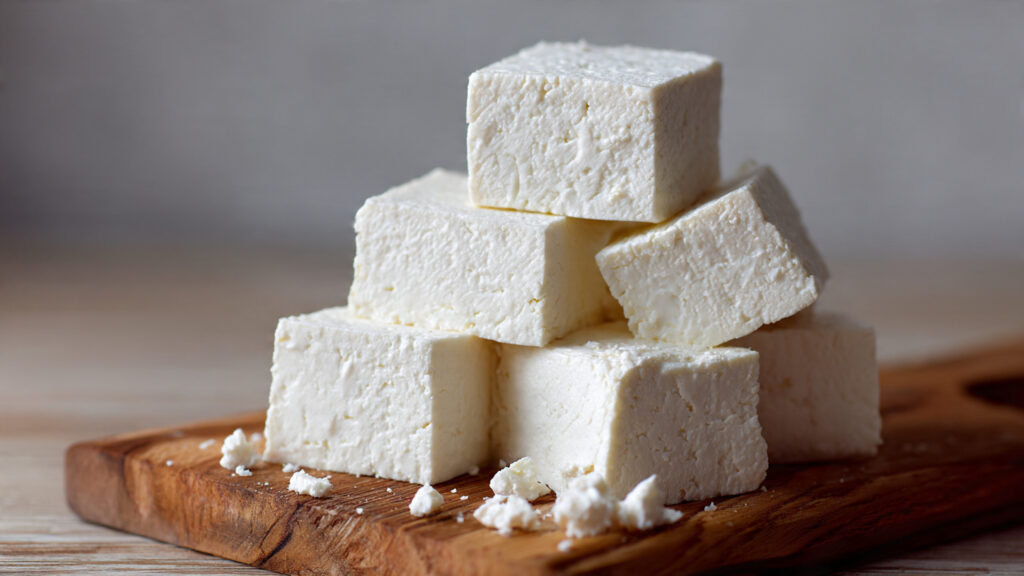
Paneer, the soft, fresh cheese widely used in South Asian cuisine, has become a staple in households and restaurants across the globe. Known for its mild flavor, high protein content, and versatility in cooking, paneer is an essential ingredient in dishes ranging from rich curries to snacks and desserts. But with the increasing global demand for paneer, a pressing question arises: Which country produces the most paneer in the world today?
In this article, we explore the global paneer market, production trends, and factors that make a particular country the world leader in paneer production. We will also examine how this production impacts local economies, dairy industries, and culinary traditions.
Understanding Paneer and Its Popularity
Paneer is a type of fresh cheese made by curdling milk with an acidic agent such as lemon juice, vinegar, or yogurt. Unlike many cheeses, paneer does not require aging or fermentation, which makes it quick and easy to produce. Key characteristics include:
- High protein content: Paneer is a rich source of protein, making it especially popular in vegetarian diets.
- Mild flavor: Its neutral taste allows it to absorb the flavors of spices, sauces, and marinades.
- Culinary versatility: From traditional Indian dishes like palak paneer and paneer tikka to modern fusion recipes, paneer has global appeal.
The rising awareness of vegetarian and protein-rich diets has fueled paneer consumption worldwide, making it a sought-after dairy product.
Global Paneer Production Overview
Paneer production is closely linked to a country’s dairy industry because it relies heavily on milk availability. Countries with large dairy industries naturally lead in paneer production. Globally, paneer consumption is highest in South Asia, particularly in India, due to cultural and dietary habits.
Factors influencing paneer production include:
- Milk production volume: Countries with abundant cow and buffalo milk supplies can produce more paneer.
- Cultural preference: Paneer is widely used in Indian, Pakistani, Bangladeshi, and Nepalese cuisines.
- Industrial processing facilities: Modern dairy plants and small-scale cottage industries both contribute to overall paneer output.
- Export demand: Paneer is increasingly exported to countries with large South Asian diaspora populations, including the USA, UK, Canada, and the Middle East.
India: The World Leader in Paneer Production
Currently, India is the largest producer of paneer in the world, and there are several reasons for its dominance:
1. Massive Dairy Industry
India is already the largest milk-producing country globally, with an annual milk production exceeding 200 million metric tons. This immense milk supply provides a stable raw material base for paneer production. Both cow and buffalo milk are used, with buffalo milk producing a creamier, richer paneer favored in many traditional recipes.
2. Cultural Integration
Paneer is an integral part of Indian cuisine. Traditional dishes such as:
- Palak Paneer (spinach and paneer curry)
- Paneer Butter Masala
- Shahi Paneer
- Paneer Tikka
…are household staples across the country. This cultural preference ensures continuous high demand, driving large-scale production both commercially and at the cottage industry level.
3. Diverse Production Facilities
India’s paneer production is a combination of:
- Large-scale dairy plants: Modern factories produce high volumes for supermarkets, restaurants, and exports.
- Small-scale and cottage industries: Local vendors and household production cater to regional markets, festivals, and daily consumption.
This dual production model ensures that both urban and rural demand is consistently met.
4. Economic Support and Government Initiatives
Government schemes such as the Dairy Development Program under the National Dairy Plan (NDP) have strengthened India’s dairy infrastructure. Training programs, subsidies, and technological support for milk collection, pasteurization, and value-added products like paneer have further boosted production.
5. Export Market
India exports paneer to countries with high South Asian populations, such as:
- United States
- United Kingdom
- United Arab Emirates
- Canada
Growing demand from international markets has encouraged industrial-scale production and modernization of paneer processing facilities.
➡️ How to Grow Malabar Spinach from Cuttings for Fast, Easy Greens
➡️ How to Grow Super Delicious Cabbage at Home Without a Garden
➡️ How to Grow Bean Sprouts at Home in Plastic Bottles Easily (Step‑by‑Step Guide)
➡️ Why is Your Lemon Tree Blooming in the Heart of Winter?
➡️ Why Should Your Garden Have a Dedicated Pollinator Highway?
➡️ Why Do Your Fruit Trees Need a Winter Wash to Thrive in Spring?
➡️ How Can Rice Water Transform Your Fruits into Sweeter Delights?
➡️ Jumpstart Your Winter Garden: Seed Starting Under Lights
Paneer Production Beyond India
While India leads by a wide margin, other countries also contribute to global paneer production:
1. Pakistan
Pakistan has a strong dairy culture, and paneer, known locally as “chhena”, is commonly consumed in households and restaurants. Production is significant, but it primarily caters to domestic consumption rather than large-scale exports. Pakistan relies on both cow and buffalo milk, similar to India, though overall output is lower due to smaller production volumes.
2. Bangladesh and Nepal
In Bangladesh and Nepal, paneer is a common dietary item, particularly among urban populations. Production is mostly small-scale, homemade, or semi-industrial. Although local demand is high, these countries do not yet compete with India in global production or export capacity.
3. International Demand in Western Countries
In countries like the United States, Canada, and the United Kingdom, paneer consumption is growing rapidly due to the increasing South Asian diaspora and vegetarian population. However, production is relatively small-scale, and a large portion of imported paneer comes from India. Some specialty cheese manufacturers in these countries produce paneer, but volumes are limited compared to Indian output.
Factors Contributing to India’s Paneer Dominance
India’s leadership in paneer production is due to a combination of natural resources, cultural preferences, and industry structure:
- Abundant milk supply: India produces over 22% of the world’s milk, giving it a natural advantage in paneer production.
- Culinary integration: Paneer is central to Indian cuisine, creating steady domestic demand.
- Skilled workforce: Traditional knowledge in cheese making and large-scale dairy technology coexist, supporting both artisanal and industrial production.
- Export potential: India’s ability to supply large quantities to international markets strengthens its global position.
- Government support: Policies promoting dairy development and infrastructure investment have enhanced production efficiency.
Innovations in Paneer Production
To maintain and expand its position, India has embraced modern techniques in paneer production:
- Industrial Automation: Large factories now use automated milk pasteurization, coagulation, and pressing systems to increase efficiency and hygiene.
- Packaging Technology: Vacuum-sealed and pre-cut paneer is gaining popularity for longer shelf life and convenience.
- Quality Standards: Implementation of food safety standards and certifications ensures Indian paneer meets international export requirements.
- Value-Added Products: Paneer cubes, flavored paneer, and ready-to-cook paneer meals cater to modern consumer needs while boosting production volume.
Economic and Nutritional Impact
Paneer production has far-reaching effects:
- Economic Growth: The paneer and broader dairy industry provides livelihoods for millions of farmers, dairy workers, and processing staff.
- Nutrition: Paneer is rich in protein, calcium, and essential vitamins, playing a crucial role in vegetarian diets.
- Cultural Significance: Paneer reinforces culinary heritage and food identity, connecting people to traditional flavors.
Future Prospects
With rising domestic and international demand, paneer production in India is expected to continue growing. Some trends to watch include:
- Increased Export Opportunities: More countries are recognizing paneer as a healthy, versatile protein source.
- Technological Advancements: Automated, hygienic, and large-scale production facilities will further increase output.
- Sustainable Practices: Emphasis on eco-friendly dairy farming and waste management will make production more sustainable.
India’s position as the global leader in paneer production is unlikely to be challenged in the near future, given the combination of resources, cultural consumption, and industrial capability.
Conclusion
So, which country is the largest paneer producer in the world today? India stands unmatched, producing the vast majority of the world’s paneer thanks to its enormous milk supply, rich culinary tradition, and advanced dairy industry. The combination of cultural demand, industrial capacity, and growing global export markets ensures that India will remain the top producer for years to come.
From its small-scale homemade versions to large-scale industrial production, paneer continues to be a symbol of India’s culinary heritage and a cornerstone of its dairy economy. Whether enjoyed in a traditional curry, grilled as a snack, or used in innovative fusion dishes, paneer’s global popularity reflects both India’s dominance and the world’s growing love for this versatile cheese.