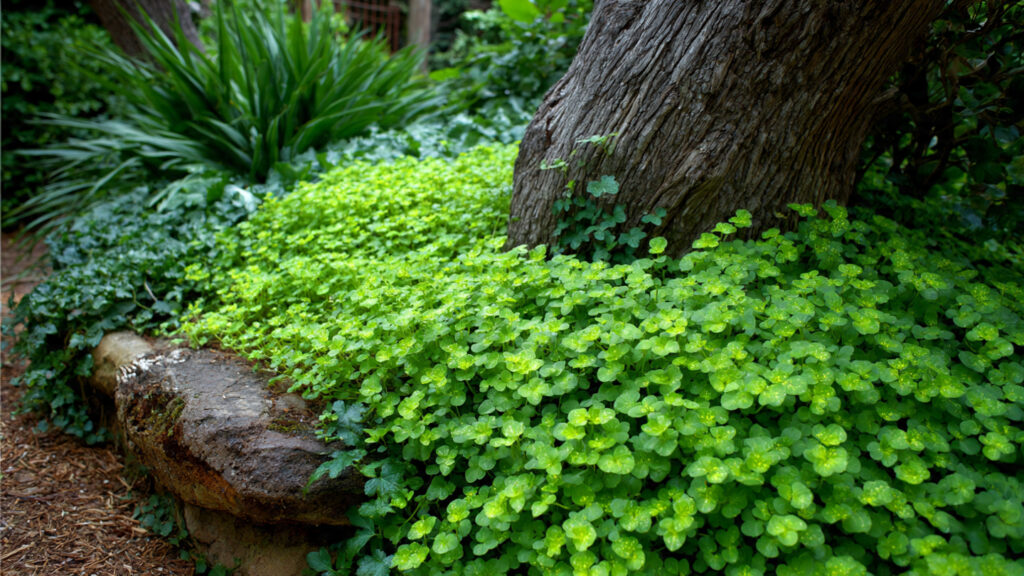
Landscaping your garden doesn’t have to be a time-consuming or high-maintenance task. One of the easiest ways to create a lush, visually appealing yard is by using ground cover plants. Ground covers not only add beauty but also help suppress weeds, prevent soil erosion, and retain moisture in the soil. The best part? Perennial ground cover plants return year after year, offering effortless greenery without constant replanting.
In this article, we’ll explore five unique ground cover plants that bring color, texture, and durability to your garden while requiring minimal maintenance.
1. Creeping Thyme (Thymus serpyllum)
Creeping thyme is a fragrant, low-growing herb that works beautifully as a ground cover. It produces dense mats of green foliage with tiny flowers in shades of pink, purple, or white, attracting bees and butterflies to your garden.
Key Features:
- Height: 2–3 inches
- Spread: Up to 24 inches
- Flowering Season: Late spring to early summer
- Hardiness Zones: 4–9
Benefits:
- Extremely drought-tolerant once established
- Adds aromatic scent to your garden
- Attracts pollinators, supporting local ecosystems
Growing Tips:
Creeping thyme thrives in full sun and well-draining soil. Plant it in between stepping stones for a fragrant walkway or as a border around garden beds. Trim lightly after flowering to maintain a tidy appearance and encourage dense growth.
2. Sweet Woodruff (Galium odoratum)
Sweet woodruff is a shade-loving perennial that forms a carpet of glossy green leaves, producing delicate white flowers in spring. It’s perfect for planting under trees or in areas where grass struggles to grow.
Key Features:
- Height: 6–12 inches
- Spread: 12–18 inches per year
- Flowering Season: Spring
- Hardiness Zones: 4–8
Benefits:
- Thrives in shady, damp areas
- Low maintenance and spreads naturally
- Its leaves release a pleasant fragrance when crushed
Growing Tips:
Sweet woodruff prefers moist, humus-rich soil and partial to full shade. It’s excellent for naturalizing under shrubs or along shaded walkways. Once established, it requires minimal attention and spreads quickly, creating a lush green carpet with seasonal white blooms.
3. Ajuga (Ajuga reptans)
Ajuga, also known as bugleweed, is a versatile ground cover prized for its colorful foliage and striking flower spikes. It’s one of the most visually appealing options for adding both texture and color to your landscape.
Key Features:
- Height: 4–8 inches
- Spread: 12–24 inches per year
- Flowering Season: Spring
- Hardiness Zones: 3–10
Benefits:
- Evergreen foliage offers year-round interest
- Tolerates a range of light conditions from full sun to partial shade
- Produces vibrant blue, purple, or pink flowers that attract pollinators
Growing Tips:
Ajuga prefers moist, well-drained soil and can be planted along garden borders, slopes, or between stones. Be mindful that it spreads quickly via runners, which can be advantageous for covering large areas but may require occasional control to prevent unwanted invasion.
4. Sedum (Sedum spp.)
Sedum, or stonecrop, is a succulent ground cover perfect for sunny, dry areas where other plants struggle. Its fleshy leaves come in a variety of colors, from deep green to reddish-purple, and it produces clusters of star-shaped flowers in summer and fall.
Key Features:
- Height: 2–6 inches
- Spread: 12–24 inches per year
- Flowering Season: Summer to early fall
- Hardiness Zones: 3–9
Benefits:
- Extremely drought-tolerant and low maintenance
- Excellent for rock gardens, slopes, or container plantings
- Attracts bees and butterflies with its flowers
Growing Tips:
Sedum thrives in full sun and well-drained soil. It’s perfect for filling gaps between pavers or creating colorful mats on slopes. Divide clumps every few years to maintain vigor and prevent overcrowding.
5. Pachysandra (Pachysandra terminalis)
Pachysandra, commonly called Japanese spurge, is an evergreen ground cover that excels in shaded areas where grass struggles. Its glossy leaves form dense mats, and tiny white flowers bloom in early spring, adding subtle charm to your garden.
Key Features:
- Height: 6–12 inches
- Spread: 12–18 inches per year
- Flowering Season: Early spring
- Hardiness Zones: 4–8
Benefits:
- Thrives in shade and poor soil conditions
- Evergreen foliage provides year-round coverage
- Excellent for under trees, along walkways, and in woodland gardens
Growing Tips:
Plant Pachysandra in well-draining soil enriched with organic matter. Water consistently during the first year to establish roots, then reduce frequency once established. Mulch lightly to retain moisture and suppress weeds.
Tips for Choosing and Maintaining Ground Cover Plants
Selecting the right ground cover depends on your garden’s conditions, including sunlight, soil type, and moisture levels. Here are some general tips:
- Assess Your Garden Conditions: Choose sun-loving plants like creeping thyme or sedum for sunny areas, and shade-tolerant plants like sweet woodruff or pachysandra for shaded spots.
- Plan for Spread: Ground covers grow quickly, so allow space for expansion to avoid overcrowding.
- Soil Preparation: Enrich soil with compost or organic matter to encourage healthy growth. Well-draining soil prevents root rot.
- Watering: Most ground covers need regular watering initially but become more drought-tolerant once established.
- Pruning and Maintenance: Trim back overgrown areas to maintain appearance and encourage dense coverage. Remove weeds promptly.
- Mix and Match: Combine different ground covers for visual interest, varying textures, and seasonal color changes.
Benefits of Using Perennial Ground Cover
- Weed Suppression: Dense growth prevents weed germination and reduces the need for herbicides.
- Soil Protection: Protects soil from erosion and retains moisture, reducing irrigation needs.
- Low Maintenance: Once established, perennial ground covers require minimal care compared to lawns.
- Aesthetic Appeal: Adds texture, color, and interest to landscapes, pathways, and garden borders.
- Biodiversity: Attracts pollinators like bees and butterflies, supporting a healthy garden ecosystem.
Creative Landscaping Ideas with Ground Covers
- Between Pavers: Use creeping thyme or sedum between stepping stones for a fragrant, low-maintenance pathway.
- Shaded Areas: Sweet woodruff or pachysandra thrive under trees or along shaded garden edges, replacing struggling grass.
- Rock Gardens: Sedum adds color and texture to rocky slopes and garden beds.
- Borders and Edges: Ajuga’s colorful foliage makes it an excellent choice for defining garden borders.
- Mass Planting: Plant a single ground cover over a large area for a continuous carpet effect, reducing lawn maintenance.
Conclusion
Ground cover plants are a gardener’s secret weapon for creating effortless, beautiful landscapes. They provide year-round interest, reduce maintenance, and help maintain healthy soil. By incorporating unique perennials like creeping thyme, sweet woodruff, ajuga, sedum, and pachysandra, you can achieve a lush, vibrant garden that returns every year.
Whether you have a sunny patio, a shaded backyard, or a rocky slope, there’s a ground cover plant suited for your space. With careful planning and a little initial effort, you can enjoy a thriving, low-maintenance landscape that grows more beautiful with each passing season.
➡️ How to Grow Malabar Spinach from Cuttings for Fast, Easy Greens
➡️ How to Grow Super Delicious Cabbage at Home Without a Garden
➡️ How to Grow Bean Sprouts at Home in Plastic Bottles Easily (Step‑by‑Step Guide)
➡️ Why is Your Lemon Tree Blooming in the Heart of Winter?
➡️ Why Should Your Garden Have a Dedicated Pollinator Highway?
➡️ Why Do Your Fruit Trees Need a Winter Wash to Thrive in Spring?
➡️ How Can Rice Water Transform Your Fruits into Sweeter Delights?
➡️ Jumpstart Your Winter Garden: Seed Starting Under Lights
Start with one or two varieties, observe how they spread, and over time, you can mix and match to create a diverse, colorful, and resilient garden that requires minimal effort yet delivers maximum visual impact.