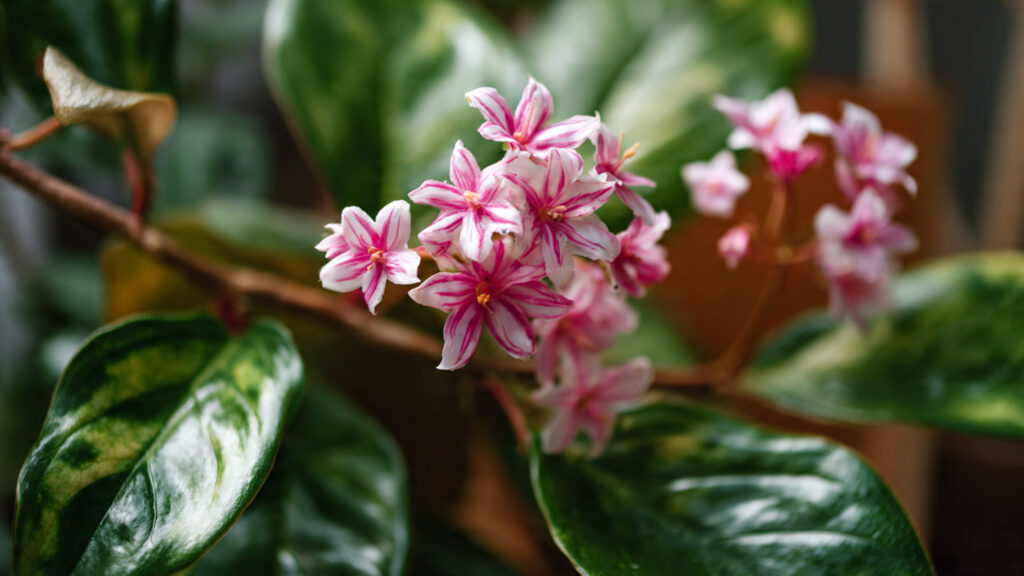
The wax plant, scientifically known as Hoya carnosa, is a popular houseplant adored for its thick, waxy leaves and fragrant, star-shaped flowers. Many indoor gardeners are drawn to its trailing vines, which can grow dramatically when given the proper care. However, one of the most common questions among plant enthusiasts is: How often should you water a wax plant to keep it thriving and blooming?
Understanding the watering needs of a wax plant is essential to ensure healthy growth. Overwatering or underwatering can lead to a variety of problems, from root rot to stunted flowering. In this guide, we’ll dive into the specifics of wax plant watering, including tips for adjusting your routine based on season, potting medium, and the plant’s environment.
Understanding the Wax Plant’s Natural Habitat
The wax plant is native to Southeast Asia and thrives in tropical and subtropical conditions. In the wild, it grows as an epiphyte, attaching itself to trees rather than rooting directly in the soil. This lifestyle means that wax plants are adapted to well-draining environments and periods of moderate dryness.
Recognizing this natural growth pattern is key to understanding their watering needs. Unlike some plants that thrive in constantly moist soil, wax plants prefer their roots to dry slightly between waterings. Too much water can cause the roots to suffocate and rot, while too little can prevent the plant from producing its characteristic fragrant blooms.
Signs Your Wax Plant Needs Water
Before establishing a watering schedule, it’s important to recognize the signs of dehydration in your wax plant. Some common indicators include:
- Wrinkled or drooping leaves – This usually means the plant is thirsty. The leaves may feel softer than usual and lose their glossy sheen.
- Slow or stunted growth – If new vines or leaves appear smaller than usual, it may be a sign the plant is not receiving enough moisture.
- Leaf yellowing – While yellow leaves can also indicate overwatering, it’s important to check the soil to determine whether the roots are dry or waterlogged.
By paying attention to these signs, you can adjust your watering routine to better match your plant’s needs.
How Often to Water a Wax Plant
The frequency of watering depends on several factors, including the plant’s age, size, the season, and the type of potting mix used. Here’s a general guideline:
- During the Growing Season (Spring and Summer):
Wax plants are actively growing during these months and typically need water every 7–10 days. Check the top 1–2 inches of soil; if it feels dry, it’s time to water. Be careful not to let water sit in the saucer, as this can lead to root rot. - During Dormancy (Fall and Winter):
In cooler months, wax plants enter a period of slower growth. Reduce watering frequency to once every 2–3 weeks, allowing the soil to dry out more between waterings. Overwatering during dormancy is a common mistake that can weaken the plant. - Consider the Potting Medium:
- Well-draining soil or mix with perlite or orchid bark: Allows water to drain quickly, so more frequent watering may be needed.
- Heavy or clay-based soil: Retains moisture longer; water less frequently to avoid soggy roots.
Best Practices for Watering Wax Plants
Proper watering isn’t just about frequency; it’s also about technique. Here are some best practices to keep your wax plant healthy:
- Use Room Temperature Water:
Cold water can shock the roots, while extremely hot water can damage them. Using room temperature water ensures gentle hydration. - Water Thoroughly, Then Let It Drain:
Water until it begins to drain from the bottom of the pot. This ensures the entire root system is hydrated. Avoid letting the plant sit in standing water. - Check Humidity Levels:
Wax plants enjoy moderate humidity, around 40–60%. If the air is dry, mist the leaves occasionally or use a humidity tray to supplement. - Avoid Wetting the Leaves Excessively:
While wax plants tolerate occasional misting, consistently wet leaves can encourage fungal growth and reduce flowering. Focus on watering the soil and roots. - Adjust Based on Temperature and Light:
In bright, warm conditions, the soil will dry out faster, requiring more frequent watering. Conversely, in cooler, low-light areas, watering should be reduced.
Common Watering Mistakes to Avoid
Even experienced gardeners sometimes struggle with wax plant watering. Here are common mistakes and how to avoid them:
- Overwatering:
Perhaps the most common error, overwatering can lead to root rot. Signs include yellowing leaves, mushy stems, and a musty smell from the soil. Always ensure the pot has drainage holes and never let water sit at the bottom. - Underwatering:
While wax plants tolerate some dryness, extended periods without water can cause shriveled leaves, slowed growth, and fewer flowers. - Ignoring Seasonal Changes:
Many plant owners keep a strict watering schedule year-round, but wax plants need less water in winter. Adjust your routine to prevent both overwatering and dehydration. - Using the Wrong Watering Method:
Frequent shallow watering can lead to uneven moisture distribution, encouraging roots to grow near the surface only. Deep watering ensures the roots grow strong and healthy.
Tips for Encouraging Blooms
Wax plants are prized for their clusters of fragrant flowers, but flowering requires a careful balance of water, light, and nutrients. Proper watering plays a key role in blooming:
- Slightly Stress the Plant:
Allowing the soil to dry a bit between waterings mimics the plant’s natural conditions and encourages flowering. Constantly soggy soil can discourage blooms. - Provide Adequate Light:
Bright, indirect sunlight is ideal. Insufficient light can reduce flowering even if watering is perfect. - Use Balanced Fertilizer:
During the growing season, feed your wax plant with a balanced liquid fertilizer every 4–6 weeks to support healthy foliage and blooms. - Avoid Frequent Repotting:
Wax plants tend to flower better when slightly root-bound. Repot only when necessary, and don’t disturb the plant during active blooming periods.
Monitoring and Adjusting Your Routine
Even with guidelines, every wax plant is different, depending on its environment. Monitoring the soil moisture is crucial. You can use simple tools like a moisture meter or the finger test: insert your finger about an inch into the soil—if it feels dry, it’s time to water; if still moist, wait a few more days.
Pay attention to your plant’s responses. Healthy wax plants have thick, glossy leaves, steady vine growth, and eventually, clusters of fragrant flowers. If you notice stress signs like drooping or yellowing, reevaluate your watering schedule.
Conclusion
Watering a wax plant may seem straightforward, but achieving lush vines and fragrant blooms requires attention to detail and an understanding of its natural habits. By allowing the soil to dry slightly between waterings, adjusting frequency based on season, and providing thorough, deep hydration, you can maintain a thriving wax plant.
Remember: it’s not about watering on a strict schedule—it’s about listening to the plant. Monitor soil moisture, observe leaf health, and adapt to changes in light, temperature, and humidity. With the right approach, your wax plant will reward you with trailing vines, glossy foliage, and the delicate, star-shaped blooms that make it a standout in any indoor garden.