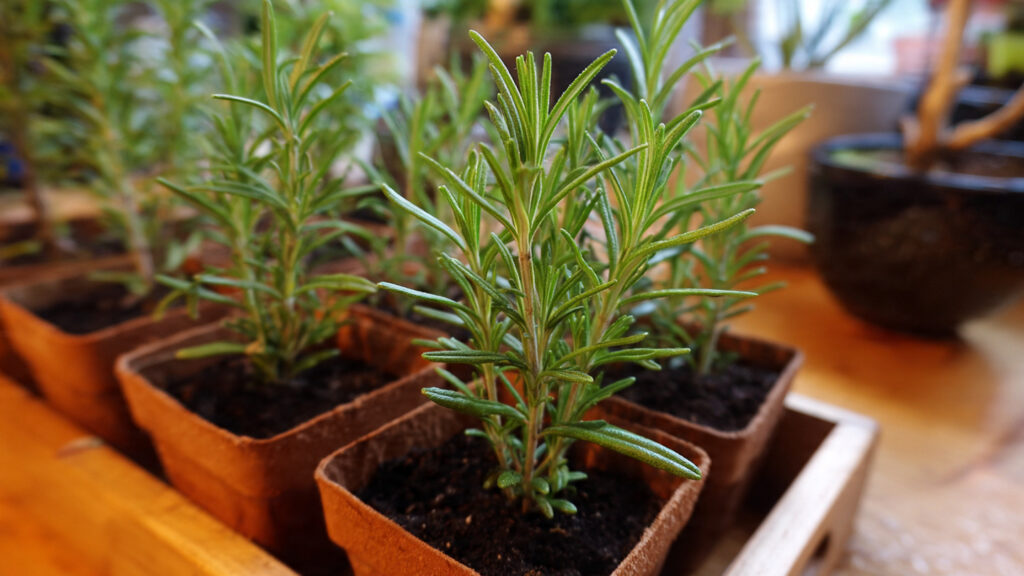
Rosemary, with its fragrant aroma and versatile culinary uses, is a favorite herb for home gardeners. Beyond its role in flavoring dishes, rosemary offers medicinal benefits and makes an attractive ornamental plant. If you love fresh herbs, learning how to propagate rosemary is a game-changer—it allows you to create an endless supply without buying new plants each season. In this comprehensive guide, we’ll walk you through the steps to successfully propagate rosemary from cuttings, care for the young plants, and ensure a thriving herb garden at home.
1. Why Propagate Rosemary?
While rosemary can grow from seeds, this method is slow and often unreliable. Seedlings take months to mature and may not retain the characteristics of the parent plant. Propagation through cuttings, on the other hand, is faster, more reliable, and preserves the flavor, aroma, and growth traits of the original plant.
By propagating rosemary at home, you can:
- Save money on buying new plants
- Ensure a continuous supply for cooking
- Expand your garden with multiple plants
- Share cuttings with friends and family
2. Choosing the Right Parent Plant
The success of propagation depends heavily on the health of the parent plant. Select a rosemary plant that is:
- Healthy and vigorous: Look for green, bushy stems free of disease or pests.
- Mature: Choose stems from a plant that is at least one year old. Young seedlings may not root well.
- Non-flowering: While flowering stems can root, cuttings taken before flowering usually develop roots faster and grow stronger.
The best stems for propagation are semi-hardwood: firm but still flexible. Avoid woody or very soft stems, as they are less likely to root successfully.
3. Preparing Your Cuttings
Materials Needed:
- Sharp, clean scissors or pruning shears
- Small pots or seed trays
- Well-draining potting mix (sand, perlite, or a mix for herbs)
- Rooting hormone (optional, but increases success rate)
- Water
Steps:
- Select a Stem: Cut a 4–6 inch stem from the parent plant. Choose one that is healthy, green, and free of flowers.
- Trim the Stem: Remove the lower leaves from the bottom 2 inches of the cutting. This reduces water loss and encourages root development.
- Optional – Use Rooting Hormone: Dip the cut end into rooting hormone powder or gel. This promotes faster and stronger root growth.
4. Planting the Cuttings
Soil Preparation:
Rosemary prefers a well-draining medium. Mix equal parts potting soil, sand, and perlite for the best results. Moist but not soggy soil ensures that cuttings don’t rot.
Planting Process:
- Make a Hole: Use a pencil or your finger to create a small hole in the soil.
- Insert the Cutting: Place the cut end into the hole and gently firm the soil around it to hold it upright.
- Water Lightly: Mist the soil to provide moisture without saturating it.
5. Creating the Ideal Environment
Rosemary cuttings require a warm, humid environment to root successfully. Here’s how to provide the best conditions:
- Light: Place the pots in a bright spot with indirect sunlight. Avoid harsh direct sunlight, which can stress the cuttings.
- Humidity: Cover the cuttings with a plastic bag or a clear dome to maintain high humidity. Ensure there’s ventilation to prevent mold growth.
- Temperature: Maintain a warm environment, ideally between 65–75°F (18–24°C).
With these conditions, most rosemary cuttings will begin to develop roots within 2–4 weeks. Patience is key—some may take slightly longer depending on environmental factors.
6. Caring for Rooting Cuttings
During the rooting phase, proper care is critical:
- Watering: Keep the soil slightly moist but never waterlogged. Overwatering can lead to rot.
- Check for Roots: Gently tug the cutting after 3–4 weeks. Resistance indicates that roots are forming.
- Air Circulation: Remove the plastic cover for a few hours daily to prevent mold and strengthen the plant.
7. Transplanting Rooted Cuttings
Once your cuttings have developed a healthy root system, they can be transplanted into larger pots or directly into your garden. Follow these steps:
- Choose a Location: Rosemary prefers full sun, well-drained soil, and a slightly alkaline environment. If planting in the garden, pick a sunny, sheltered spot.
- Potting Soil: Use a mix designed for herbs or make your own blend with potting soil and sand/perlite for drainage.
- Transplant Carefully: Gently remove the cutting from its container, keeping the roots intact. Place it into the new soil and water lightly.
- Acclimate: If moving outdoors, gradually expose the young plant to full sun over a week to prevent shock.
8. Long-Term Care for Rosemary
Rosemary is relatively low-maintenance but thrives with a bit of care:
- Watering: Mature rosemary prefers slightly dry conditions. Water deeply but infrequently, allowing the soil to dry between waterings.
- Pruning: Trim regularly to encourage bushy growth and prevent legginess. Harvesting for cooking is a natural form of pruning.
- Fertilizing: Feed rosemary sparingly. A balanced, slow-release fertilizer in spring or a diluted liquid fertilizer every few weeks will support growth.
- Pests and Diseases: Rosemary is generally pest-resistant, but watch for aphids, spider mites, or fungal issues. Ensure good air circulation and avoid overwatering.
9. Multiplying Your Herb Supply
Once you’ve mastered propagation, you can create multiple plants for your home or share them with friends. Here are some creative ways to expand your rosemary supply:
- Regular Cuttings: Take new cuttings every few months from healthy, mature plants.
- Root Division: Some established plants can be gently divided to create new plants.
- Container Gardening: Plant rosemary in pots for easy access in the kitchen and mobility during harsh weather.
10. Using Your Homegrown Rosemary
Homegrown rosemary isn’t just for cooking—it can enhance your home and health in many ways:
- Culinary: Add fresh sprigs to roasted meats, vegetables, bread, and infused oils.
- Aromatherapy: The scent of rosemary can improve mood and concentration.
- Medicinal Uses: Traditionally, rosemary has been used to support digestion, memory, and circulation.
- Decorative: Rosemary’s bushy, fragrant foliage makes it a beautiful addition to herb gardens, balcony planters, and indoor pots.
11. Troubleshooting Common Issues
Even experienced gardeners encounter challenges. Here’s how to troubleshoot common problems:
- Cuttings Not Rooting: Ensure the stem is healthy, the soil is well-draining, and humidity is sufficient. Rooting hormone can improve success.
- Leggy Plants: Inadequate sunlight causes weak, elongated stems. Move your plants to a brighter spot.
- Yellowing Leaves: Overwatering or poor drainage can stress the plant. Adjust watering practices and improve soil drainage.
- Slow Growth: Rosemary prefers slightly dry conditions; overfertilization or excessive water can slow growth.
12. Tips for Year-Round Rosemary
- Indoor Growth: Rosemary can thrive indoors if placed in a bright, sunny window or under grow lights.
- Winter Care: If you live in cold climates, bring potted rosemary indoors before frost. Keep it in a cool, sunny location and reduce watering.
- Regular Harvesting: Frequent trimming not only provides fresh herbs but encourages dense, vigorous growth.
Conclusion
Propagating rosemary from cuttings is an easy, rewarding way to enjoy a never-ending supply of this fragrant, versatile herb. With the right techniques, healthy parent plants, and a bit of patience, you can create a thriving rosemary garden at home. From sprouting cuttings to mature, bushy plants, each stage offers satisfaction and beauty for both beginner and experienced gardeners. Whether you’re a culinary enthusiast, a medicinal herb lover, or someone who enjoys nurturing plants, rosemary propagation is a fulfilling and practical gardening skill.
➡️ How to Grow Malabar Spinach from Cuttings for Fast, Easy Greens
➡️ How to Grow Super Delicious Cabbage at Home Without a Garden
➡️ How to Grow Bean Sprouts at Home in Plastic Bottles Easily (Step‑by‑Step Guide)
➡️ Why is Your Lemon Tree Blooming in the Heart of Winter?
➡️ Why Should Your Garden Have a Dedicated Pollinator Highway?
➡️ Why Do Your Fruit Trees Need a Winter Wash to Thrive in Spring?
➡️ How Can Rice Water Transform Your Fruits into Sweeter Delights?
➡️ Jumpstart Your Winter Garden: Seed Starting Under Lights
By following these steps, you can turn a single parent plant into a full collection of rosemary—ready for cooking, gifting, or simply enhancing the atmosphere of your home. So grab some cuttings, prepare your pots, and start your rosemary propagation journey today for an endless, aromatic harvest.