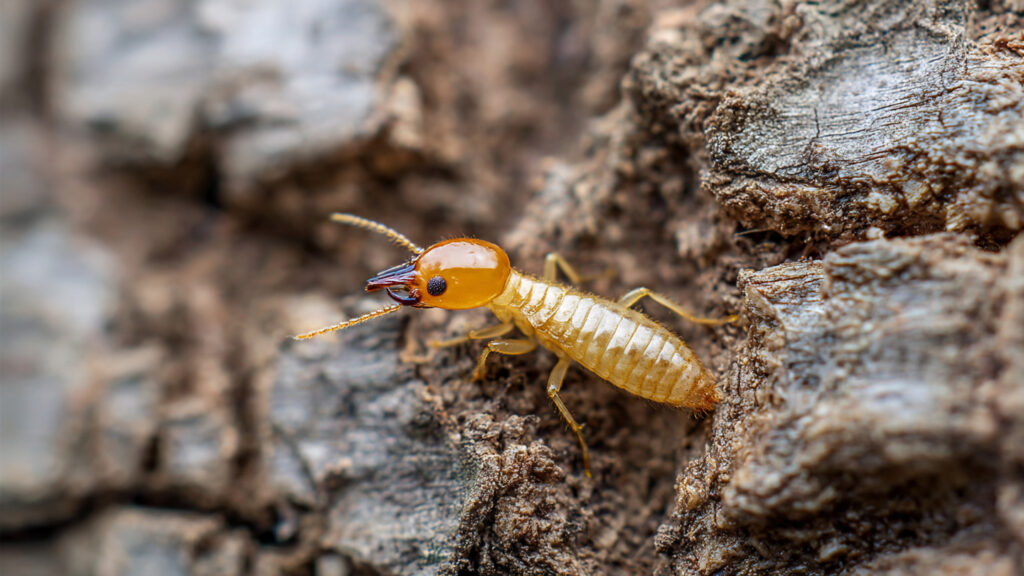
Termites are among the most destructive pests a gardener or homeowner can face. While they play an important ecological role by breaking down dead organic matter, they can quickly become a serious problem when they start feeding on wooden structures, tree roots, fencing, and even plant stems. The key to preventing major destruction is early detection.
If you can recognize the warning signs before an infestation spreads, you can protect your garden, landscape plants, and nearby structures from costly damage. In this detailed guide, you’ll learn how to spot the early signs of termites in the garden and what steps to take before the problem escalates.
Understanding Termites and Why They Invade Gardens
Termites feed primarily on cellulose, which is found in wood, plant debris, mulch, and even cardboard. While many people associate termites only with home damage, gardens provide ideal conditions for colonies to thrive—especially where moisture and organic matter are abundant.
The most common type responsible for damage in gardens and landscapes is the Subterranean termite. These termites live underground and build mud tubes to access food sources above the soil surface. Because they operate out of sight, damage can progress significantly before you even realize they’re present.
Why Early Detection Is Crucial
Termites work silently and continuously. A single colony can contain thousands to millions of individuals. By the time visible damage appears, they may have already compromised plant roots, wooden supports, garden beds, or nearby fences.
Early detection helps you:
- Prevent structural damage
- Save weakened plants
- Reduce treatment costs
- Stop colony expansion
Regular inspection is your strongest defense.
1. Mud Tubes on Soil, Wood, or Garden Structures
One of the clearest early signs of termite activity is the appearance of mud tubes.
What Are Mud Tubes?
Subterranean termites build pencil-sized tunnels made of soil, saliva, and wood particles. These tubes protect them from predators and dehydration as they travel between their underground nest and food sources.
Where to Look
- Along wooden fences
- On raised garden bed frames
- Around wooden stakes or trellises
- Along the base of trees
- On concrete foundations near the garden
Mud tubes may appear thin and fragile. If you break one open and see small pale insects inside, it’s a strong indication of active termites.
Even empty tubes signal previous activity and should not be ignored.
2. Hollow or Damaged Wood in Garden Structures
Termites consume wood from the inside out, leaving the outer surface intact. This makes early detection tricky.
Signs to Watch For:
- Wood that sounds hollow when tapped
- Soft or crumbling wooden garden borders
- Peeling paint or blistered surfaces on wooden structures
- Sagging or weakened trellises
Use a screwdriver or knife to gently probe suspicious wood. If it easily punctures or flakes away, termite damage may be present.
Raised garden beds made from untreated wood are particularly vulnerable.
3. Unexplained Wilting or Weak Plants
Termites don’t just feed on wood—they may attack plant roots, especially in dry conditions.
➡️ How to Grow Malabar Spinach from Cuttings for Fast, Easy Greens
➡️ How to Grow Super Delicious Cabbage at Home Without a Garden
➡️ How to Grow Bean Sprouts at Home in Plastic Bottles Easily (Step‑by‑Step Guide)
➡️ Why is Your Lemon Tree Blooming in the Heart of Winter?
➡️ Why Should Your Garden Have a Dedicated Pollinator Highway?
➡️ Why Do Your Fruit Trees Need a Winter Wash to Thrive in Spring?
➡️ How Can Rice Water Transform Your Fruits into Sweeter Delights?
➡️ Jumpstart Your Winter Garden: Seed Starting Under Lights
Warning Signs in Plants:
- Sudden wilting despite adequate watering
- Stunted growth
- Yellowing leaves
- Plants that fall over easily
When roots are compromised, plants cannot absorb water and nutrients efficiently. If you gently dig around affected plants and notice soil tunnels or damaged roots, termites may be the cause.
Young trees and shrubs are especially susceptible.
4. Swarmers or Discarded Wings
Another early warning sign is the presence of winged termites, also called swarmers or alates.
During warm, humid conditions, termites leave their colony to establish new nests. This often happens after rain.
What to Look For:
- Small flying insects near soil or wooden structures
- Piles of shed wings on the ground
- Swarms near outdoor lights
Swarmers resemble flying ants but have:
- Straight antennae
- Equal-length wings
- Thick, straight waists
If you see discarded wings in your garden or near raised beds, a colony is likely nearby.
5. Soil That Looks Disturbed or Tunnelled
Because subterranean termites travel through soil, their activity sometimes leaves subtle clues.
Signs in the Soil:
- Small holes or narrow tunnels
- Soil that looks slightly raised or cracked
- Clumped soil near wooden structures
These signs are often overlooked but can indicate early termite movement beneath the surface.
Pay special attention to moist, shaded areas with mulch or decaying wood.
6. Presence of Rotting Wood and Excess Moisture
While not a direct sign of termites, certain conditions strongly attract them.
Termites are more likely to invade areas with:
- Wet mulch piled against structures
- Dead tree stumps
- Buried wood debris
- Overwatered garden beds
- Poor drainage
If your garden consistently has damp conditions, it becomes an ideal habitat for termite colonies.
Preventive observation of these risk factors is part of spotting problems early.
7. Cracked or Bubbling Soil Around Tree Bases
In some cases, termite colonies feed around tree roots and the lower trunk.
Warning Signs Around Trees:
- Mud-like patches on bark
- Hollow sound when tapping lower trunk
- Bark that appears loose or damaged
- Soil cracking near root flare
If left untreated, termite damage can weaken the tree’s stability.
How Often Should You Inspect Your Garden?
Routine inspection helps catch early signs before severe damage occurs.
Recommended Schedule:
- Monthly during warm seasons
- After heavy rain
- During spring swarm season
- When installing new wooden garden features
Walk slowly through your garden and look closely at soil lines, wood surfaces, and plant bases.
Immediate Steps If You Spot Early Signs
If you suspect termite activity:
- Avoid disturbing the colony excessively.
- Take clear photos of evidence.
- Remove obvious attractants like wet mulch.
- Reduce irrigation temporarily if soil is overly moist.
- Consider contacting a pest control professional.
Early intervention is more effective and less expensive than waiting.
Natural Prevention Tips for Gardeners
Prevention plays a huge role in termite control.
1. Improve Drainage
Ensure water doesn’t pool near garden beds or wooden structures.
2. Use Treated or Termite-Resistant Wood
Cedar and treated lumber are more resistant to infestation.
3. Keep Mulch Away from Structures
Maintain a 2–3 inch gap between mulch and wood surfaces.
4. Remove Dead Wood Promptly
Old stumps and decaying branches attract termites.
5. Rotate Organic Materials
Avoid letting compost or organic matter sit in one spot too long.
These measures reduce the likelihood of termite colonization.
When to Call a Professional
If you observe:
- Active mud tubes
- Repeated swarms
- Structural wood damage
- Multiple affected plants
Professional treatment may be necessary.
Termite control often involves soil treatments, bait systems, or localized chemical barriers. Because colonies live underground, complete eradication typically requires specialized tools and expertise.
The Importance of Acting Early
Termites multiply quickly. A small, localized issue can spread throughout your garden and even reach nearby buildings if ignored.
Catching early signs allows you to:
- Protect valuable trees and plants
- Save wooden garden structures
- Prevent home infestation
- Maintain soil health
Vigilance and routine checks are the gardener’s best defense.
Final Thoughts
Spotting early signs of termites in the garden requires careful observation and awareness of subtle changes. Mud tubes, hollow wood, damaged roots, swarmers, and unexplained plant decline are all signals that should never be ignored.
By regularly inspecting your garden, managing moisture, and removing decaying organic matter, you can significantly reduce the risk of infestation. Early detection not only saves money but also preserves the beauty and health of your landscape.