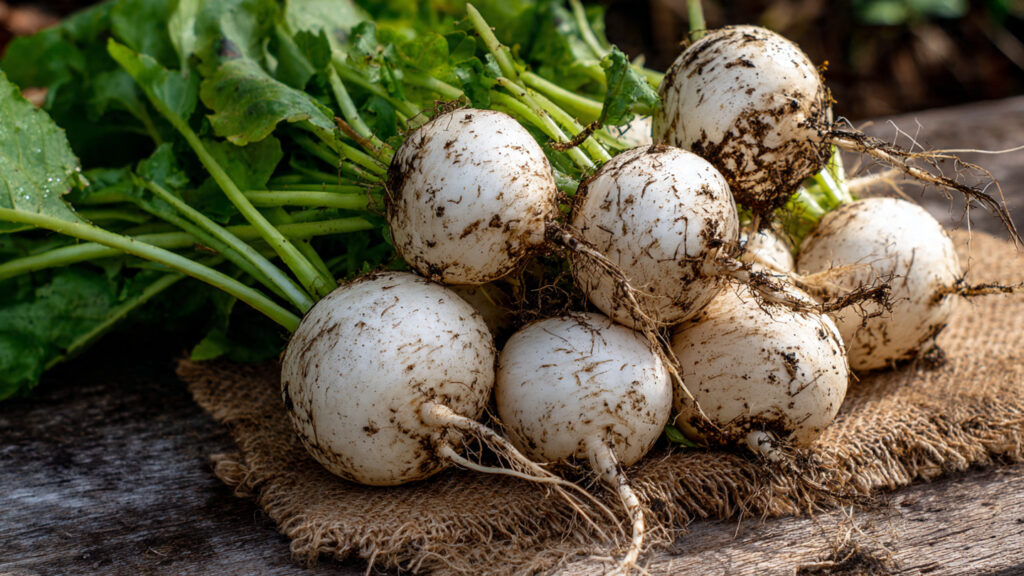
If you love crunchy, refreshing root vegetables, jicama is a must-grow crop. Known for its crisp texture and mildly sweet flavor, jicama is perfect for salads, slaws, stir-fries, and healthy snacks. While many gardeners assume it requires large garden space, the truth is you can grow a heavy harvest of jicama in a single large container or raised garden bed with the right techniques.
Jicama (Pachyrhizus erosus) is a warm-season legume grown primarily for its edible tuberous roots. Native to Mexico and Central America, it thrives in heat and full sun. With proper planning, even small-space gardeners can produce an impressive yield. In this detailed guide, we’ll explore five proven tips to help you grow a ton of jicama successfully in containers or raised beds.
Understanding Jicama Growth Basics
Before diving into the tips, it’s important to understand how jicama grows.
Jicama is technically a vine. Above ground, it produces long climbing stems and small bean-like flowers. Below ground, it develops large, round tubers that are harvested once mature. The longer the growing season, the bigger the tubers become.
Key growing requirements:
- Warm temperatures (70–90°F / 21–32°C)
- Full sun (at least 6–8 hours daily)
- Loose, well-drained soil
- Long frost-free season (5–9 months for large harvests)
Because the plant needs time to develop sizable roots, maximizing growing efficiency in containers or raised beds is essential.
Tip 1: Choose the Right Container or Raised Bed Size
If you want to grow a “ton” of jicama, space and depth matter more than anything else.
Ideal Container Size
- Minimum 18–24 inches deep
- At least 18–24 inches wide
- 15–25 gallon capacity per plant
Jicama roots expand underground, so shallow pots will limit tuber size. Bigger containers allow roots to swell properly.
Raised Bed Recommendations
- At least 12–18 inches deep
- Loose soil depth of 18 inches is ideal
- Space plants 8–12 inches apart
Raised beds often outperform containers because they provide more horizontal room for tubers to expand.
Pro Tip: The deeper and looser the soil, the larger your harvest.
Tip 2: Use Ultra-Loose, Nutrient-Balanced Soil
Jicama tubers need soft soil to expand. Compacted soil restricts growth and produces small, misshapen roots.
Best Soil Mix for Containers
- 40% high-quality compost
- 40% garden soil or potting mix
- 20% coarse sand or perlite
This mix provides:
- Excellent drainage
- Good aeration
- Enough nutrients without excess nitrogen
Avoid High Nitrogen Fertilizers
Because jicama is a legume, it fixes its own nitrogen. Too much nitrogen encourages leafy growth instead of tuber formation.
Instead:
- Use balanced organic fertilizer (5-5-5 or similar)
- Add bone meal or rock phosphate to support root development
- Apply compost at planting time
Loose soil is the secret weapon for growing massive tubers.
➡️ How to Grow Malabar Spinach from Cuttings for Fast, Easy Greens
➡️ How to Grow Super Delicious Cabbage at Home Without a Garden
➡️ How to Grow Bean Sprouts at Home in Plastic Bottles Easily (Step‑by‑Step Guide)
➡️ Why is Your Lemon Tree Blooming in the Heart of Winter?
➡️ Why Should Your Garden Have a Dedicated Pollinator Highway?
➡️ Why Do Your Fruit Trees Need a Winter Wash to Thrive in Spring?
➡️ How Can Rice Water Transform Your Fruits into Sweeter Delights?
➡️ Jumpstart Your Winter Garden: Seed Starting Under Lights
Tip 3: Maximize Sunlight and Warmth
Jicama thrives in heat. If grown in cooler conditions, it may produce vines but small tubers.
Sunlight Requirements
- Minimum 6 hours of direct sunlight
- 8+ hours is ideal for maximum tuber growth
If growing in containers, place them in the sunniest spot available—balconies, patios, rooftops, or open yards.
Temperature Tips
- Plant after all danger of frost has passed.
- Soil temperature should be at least 65°F (18°C).
- Use black containers to retain warmth.
- Mulch lightly to regulate temperature but avoid excessive moisture.
In cooler climates, start seeds indoors 6–8 weeks before the last frost to extend the growing season.
The longer the warm growing period, the larger your jicama harvest will be.
Tip 4: Control Vines to Boost Root Production
One of the most overlooked secrets to growing a heavy jicama harvest is vine management.
Jicama plants naturally produce long, sprawling vines that can reach 10–15 feet. While impressive, excessive vine growth can reduce energy directed toward tuber formation.
How to Manage Vines
- Provide a small trellis or support.
- Prune excessive vine tips once established.
- Remove flowers if your goal is maximum root production.
Removing flowers redirects energy into the tubers instead of seed production.
Why This Works
When the plant focuses less on reproduction and more on root storage, tuber size increases significantly.
This technique alone can dramatically improve your harvest.
Tip 5: Water Deeply but Infrequently
Water management is critical for producing large, crack-free tubers.
Ideal Watering Strategy
- Keep soil consistently moist but never soggy.
- Water deeply once or twice per week.
- Allow top 1–2 inches of soil to dry between watering.
Overwatering can cause:
- Root rot
- Cracked tubers
- Reduced oxygen in soil
Underwatering can stunt growth.
Raised beds usually drain faster, so monitor moisture levels regularly.
Mulching with straw or dried leaves can help maintain even soil moisture without waterlogging.
Bonus Tip: Be Patient — Jicama Needs Time
Unlike quick-growing vegetables, jicama takes 5–9 months to develop large tubers.
Smaller tubers may form in 4–5 months, but maximum size comes with patience.
Signs it’s ready to harvest:
- Yellowing leaves
- Vines slowing down
- Bulging soil surface around base
Harvest before frost, as cold temperatures can damage tubers.
How Much Can You Really Harvest?
In ideal conditions:
- Each plant can produce 2–5 pounds of tubers.
- In raised beds with rich soil, yields can be even higher.
- Growing 4–6 plants in one raised bed can result in a substantial harvest.
Container-grown plants may produce slightly less than raised bed plants, but with proper care, yields are still impressive.
Common Problems and Solutions
1. Small Tubers
Cause: Short growing season or compacted soil.
Solution: Start earlier and improve soil texture.
2. Too Many Leaves, Few Roots
Cause: Excess nitrogen or no flower removal.
Solution: Stop fertilizing and pinch flowers.
3. Cracked Tubers
Cause: Irregular watering.
Solution: Maintain consistent moisture.
4. Pest Issues
Jicama is relatively pest-resistant. Occasionally:
- Aphids may attack vines.
- Cutworms may affect young plants.
Organic neem oil or manual removal usually solves the issue.
Growing Jicama in Different Climates
Warm Tropical Regions
- Direct sow seeds.
- Grow nearly year-round.
- Expect maximum yields.
Temperate Climates
- Start seeds indoors.
- Use raised beds for better warmth.
- Consider growing in large black containers.
Short-Season Areas
- Choose early-maturing varieties.
- Focus on smaller but flavorful tubers.
- Protect plants from early frost.
Final Harvesting and Storage Tips
When harvesting:
- Loosen soil gently.
- Lift tubers carefully to avoid bruising.
- Remove vines and wash lightly.
- Cure for a few days in a dry, shaded place.
Store in a cool, dry area for several weeks.
Never eat the seeds, pods, or leaves—they are toxic. Only the tuber is edible.
Conclusion
Growing a ton of jicama in one container or raised garden bed is absolutely possible with the right approach. By choosing deep containers, preparing loose soil, maximizing sunlight, managing vines, and watering properly, you can dramatically increase your harvest.
Jicama rewards patience and proper care with crisp, juicy tubers that are both delicious and nutritious. Whether you’re a small-space gardener or someone looking to maximize productivity in a raised bed, these five proven tips will set you up for success.