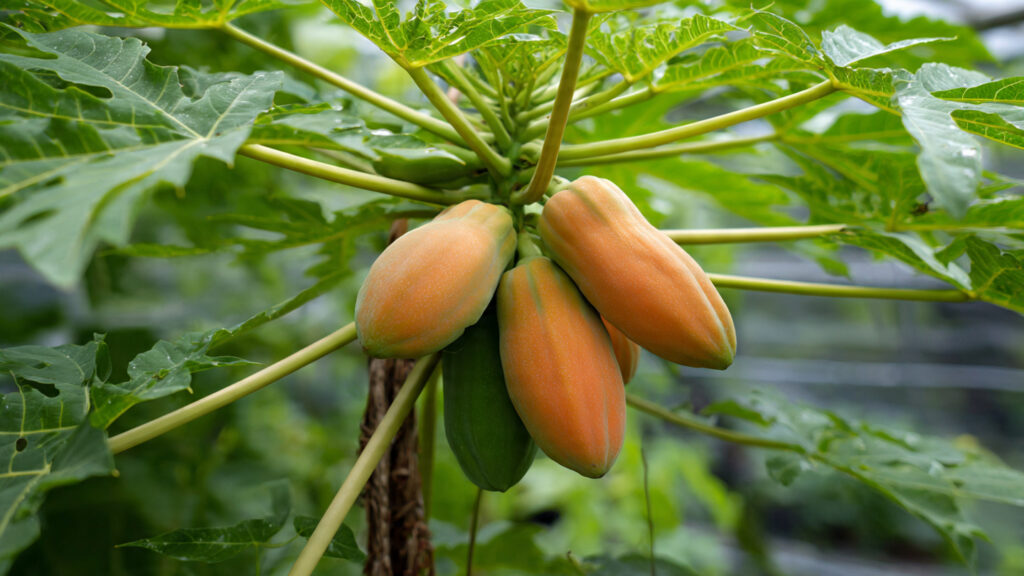
Papaya (Carica papaya) is a tropical fruit loved for its sweet, juicy flesh, vibrant color, and numerous health benefits. While traditionally grown in gardens or orchards, papaya can also thrive in containers, making it a great option for urban gardeners or those with limited space. Growing papaya from seeds in a container is not only easy but also rewarding, allowing you to enjoy fresh, homegrown fruits right from your balcony, patio, or terrace. This step-by-step guide will walk you through everything you need to know to grow papaya successfully in a container.
Why Grow Papaya in a Container?
Growing papaya in a container offers several advantages:
- Space-saving: Ideal for small spaces, terraces, and balconies where planting in the ground is not possible.
- Mobility: Containers can be moved to optimize sunlight exposure or protect plants from harsh weather.
- Soil control: You can create an ideal soil mix tailored to papaya’s needs.
- Pest management: Container gardening reduces exposure to soil-borne pests and diseases.
Papaya plants are fast-growing and can produce fruit within 6–12 months when grown in optimal conditions, making them a satisfying addition to any container garden.
Choosing the Right Papaya Seeds
To start, select high-quality papaya seeds. You can use seeds from a ripe, healthy fruit purchased from a market or grocery store. However, for best results, choose seeds from a reliable nursery or seed supplier to ensure they are disease-free and capable of producing strong plants.
Tip: Remove seeds from the fruit, rinse thoroughly to remove pulp, and dry them for 1–2 days before planting. This step reduces the risk of fungal growth and improves germination rates.
Selecting the Right Container
Papaya plants grow quickly and develop deep roots, so choosing the right container is critical for their growth.
Guidelines for container selection:
- Size: Start with a container at least 12–15 inches deep for seedlings, and transplant to a 20–25 inch deep container as the plant grows.
- Material: Plastic, ceramic, or wooden containers work well. Ensure they are sturdy and won’t tip over as the plant grows.
- Drainage: Proper drainage is essential to prevent waterlogging. Make sure your container has multiple drainage holes.
Tip: Using a container on wheels or a movable tray allows you to adjust the plant’s position according to sunlight or weather conditions.
Preparing the Soil Mix
Papaya thrives in loose, well-draining, fertile soil. A good container soil mix should retain moisture without becoming waterlogged.
Recommended mix:
- 2 parts garden soil
- 1 part compost or well-rotted manure
- 1 part sand or perlite for drainage
This mixture provides nutrients, retains sufficient moisture, and ensures roots have space to expand. Avoid heavy clay soils, as they can hold too much water and lead to root rot.
Step 1: Germinating Papaya Seeds
Germination is a crucial step in growing papaya from seeds. Here’s how to do it effectively:
- Soak the seeds: Place seeds in warm water for 24–48 hours. This softens the seed coat and speeds up germination.
- Planting: Fill a small seed tray or cup with a light seed-starting mix. Plant seeds about ½ inch deep and cover lightly with soil.
- Moisture: Water gently to keep the soil moist but not soggy.
- Temperature: Papaya seeds germinate best in warm temperatures between 25–30°C (77–86°F).
- Germination period: Seeds typically sprout within 2–3 weeks.
Tip: Cover the tray with plastic wrap or a clear lid to maintain humidity and warmth until the seeds sprout. Remove the cover once seedlings emerge.
Step 2: Transplanting Seedlings to Containers
Once seedlings develop 2–3 true leaves and are about 6–8 inches tall, they are ready to be transplanted into larger containers.
Transplanting steps:
➡️ How to Grow Malabar Spinach from Cuttings for Fast, Easy Greens
➡️ How to Grow Super Delicious Cabbage at Home Without a Garden
➡️ How to Grow Bean Sprouts at Home in Plastic Bottles Easily (Step‑by‑Step Guide)
➡️ Why is Your Lemon Tree Blooming in the Heart of Winter?
➡️ Why Should Your Garden Have a Dedicated Pollinator Highway?
➡️ Why Do Your Fruit Trees Need a Winter Wash to Thrive in Spring?
➡️ How Can Rice Water Transform Your Fruits into Sweeter Delights?
➡️ Jumpstart Your Winter Garden: Seed Starting Under Lights
- Choose a container with adequate depth and drainage.
- Fill with prepared soil mix.
- Dig a small hole in the center and gently place the seedling, keeping the roots intact.
- Cover the roots with soil and lightly press to secure the plant.
- Water immediately to settle the soil around the roots.
Tip: Avoid transplanting on hot, sunny days to prevent shock. Early morning or late afternoon is ideal.
Step 3: Providing Optimal Light and Temperature
Papaya plants require full sun to thrive and produce fruit. Place the container in a location that receives at least 6–8 hours of direct sunlight per day.
Temperature requirements:
- Ideal range: 25–35°C (77–95°F)
- Sensitive to frost: Move the container indoors or to a sheltered area if temperatures drop below 15°C (59°F).
Tip: Rotate the container occasionally to ensure even sunlight exposure and prevent leaning or uneven growth.
Step 4: Watering Your Papaya Plant
Papaya requires consistent moisture for healthy growth, but overwatering can lead to root rot.
Watering guidelines:
- Keep the soil consistently moist but not waterlogged.
- Water deeply once or twice a week, depending on weather and container size.
- Reduce watering slightly in cooler months when growth slows.
Tip: Mulching the soil surface with organic material, such as straw or coconut husk, helps retain moisture and regulate temperature.
Step 5: Fertilizing for Healthy Growth
Papaya plants are heavy feeders and benefit from regular fertilization.
Fertilizer options:
- Organic: Compost, well-rotted manure, or fish emulsion applied every 2–3 weeks.
- Chemical: Balanced NPK fertilizer (10:10:10) every 4–6 weeks.
Tip: Avoid over-fertilizing nitrogen, as it encourages leaf growth at the expense of flowers and fruits. Adding a small amount of potassium-rich fertilizer can promote flowering and fruit development.
Step 6: Pruning and Supporting the Plant
While papaya plants typically have a single stem, container-grown plants may benefit from some support:
- Stake the stem: Use a bamboo stake or sturdy support to prevent the plant from bending or breaking under wind or fruit weight.
- Remove lower leaves: Cut off any yellow or damaged leaves to improve airflow and reduce disease risk.
Pruning encourages better air circulation and helps the plant focus energy on producing fruits.
Step 7: Pollination and Flowering
Papaya plants are either male, female, or hermaphrodite. Only female and hermaphrodite plants produce fruit.
- Pollination: Container-grown plants may need hand pollination if grown indoors or in areas without pollinators.
- Flowering time: Papaya can start flowering within 6–8 months under optimal conditions.
- Fruit set: Hand pollinate flowers using a small brush to transfer pollen from male to female flowers to ensure fruit development.
Tip: Hermaphrodite varieties are ideal for container gardening, as they can self-pollinate and produce fruit without a male plant.
Step 8: Harvesting Papaya
Papaya fruits mature quickly and can be harvested when they turn slightly yellow or orange and feel soft to the touch.
Harvesting tips:
- Cut fruits carefully with a sharp knife to avoid damaging the stem.
- Harvest regularly to encourage continuous fruit production.
- Store fruits at room temperature for a few days to ripen fully if harvested slightly green.
Container-grown papaya can produce multiple harvests in a year under ideal conditions.
Troubleshooting Common Issues
- Yellow leaves: Often caused by overwatering, nutrient deficiency, or insufficient sunlight.
- Stunted growth: Check for root-bound plants, poor soil, or lack of sunlight.
- Pests: Aphids, spider mites, and mealybugs may appear. Use organic insecticidal soap or neem oil to manage infestations.
- Flower drop: May occur due to stress, excessive nitrogen, or temperature fluctuations. Adjust care accordingly.
Conclusion
Growing papaya in a container from seeds is an enjoyable and rewarding experience. By following these step-by-step instructions—selecting quality seeds, choosing the right container, preparing well-draining soil, providing adequate sunlight and water, fertilizing correctly, and managing pollination—you can cultivate healthy plants that produce delicious, tropical fruits.
Container-grown papaya offers the flexibility of urban gardening while bringing the taste of the tropics right to your doorstep. With patience and proper care, you can enjoy fresh papaya all year round and experience the satisfaction of growing your own fruit from seed to harvest.