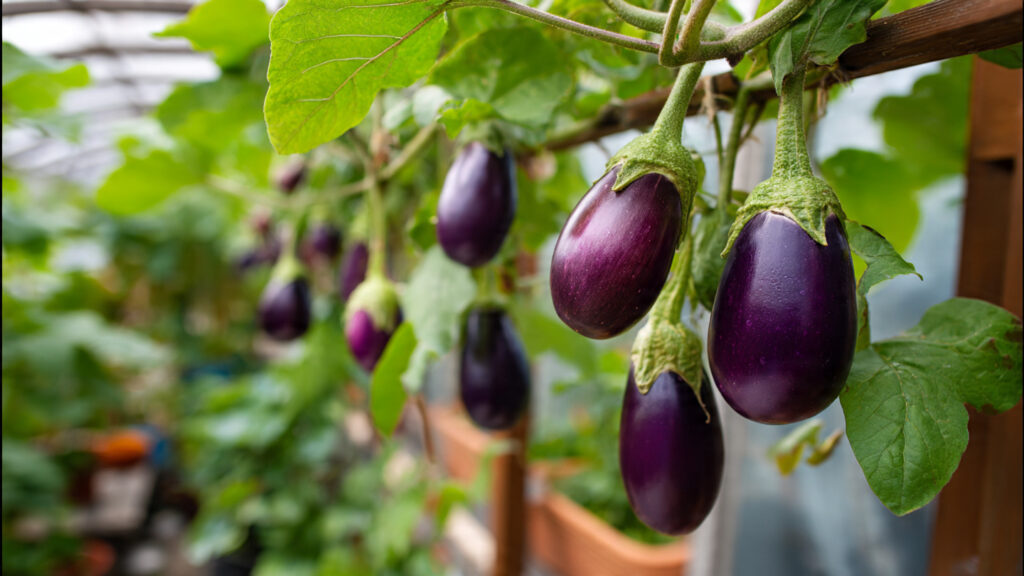
Imagine stepping onto your balcony and harvesting glossy, deep-purple eggplants whenever you need them. No backyard. No sprawling garden beds. Just a carefully planned container setup that turns a small outdoor space into a productive, beautiful food haven.
Eggplants, also known as aubergines, are part of the species Solanum melongena. While they’re typically grown in warm garden plots, they adapt remarkably well to containers—making them perfect candidates for balcony gardening. With the right method, you can enjoy a steady harvest nearly year-round, even in limited space.
Let’s explore a practical, attractive, and efficient way to grow eggplants on your balcony throughout the seasons.
Why Eggplants Thrive in Containers
Eggplants have several traits that make them ideal for balcony cultivation:
- Compact root systems compared to many fruiting vegetables
- Upright growth habit
- Attractive foliage and vibrant fruit
- Strong performance in warm, sunny environments
Many modern varieties are bred specifically for small spaces. Compact cultivars stay manageable while producing abundant fruit.
Look for dwarf or patio varieties such as:
- Patio Baby eggplant – A small, highly productive plant perfect for pots
- Little Fingers eggplant – Produces long, tender fruits in clusters
These varieties combine beauty and productivity, ideal for balcony settings.
Step 1: Choose the Perfect Containers
A successful year-round balcony method begins with proper containers.
Size Matters
Each eggplant needs at least a 12–14 inch deep pot. Larger containers (5–7 gallons) provide better moisture retention and root stability.
Drainage Is Essential
Ensure containers have multiple drainage holes. Eggplants dislike soggy roots.
Aesthetic Appeal
Choose decorative ceramic, fabric grow bags, or stylish planters that match your balcony décor. Eggplants have ornamental value—their purple blossoms and shiny fruits enhance visual charm.
Balcony gardening can be productive and beautiful at the same time.
Step 2: Use High-Quality Potting Mix
Avoid using garden soil in containers. Instead, use a lightweight, well-draining potting mix enriched with compost.
An ideal mix should:
- Retain moisture without becoming waterlogged
- Contain organic matter
- Provide good aeration
You can enhance fertility by mixing in aged compost or a slow-release organic fertilizer at planting time.
➡️ How to Grow Malabar Spinach from Cuttings for Fast, Easy Greens
➡️ How to Grow Super Delicious Cabbage at Home Without a Garden
➡️ How to Grow Bean Sprouts at Home in Plastic Bottles Easily (Step‑by‑Step Guide)
➡️ Why is Your Lemon Tree Blooming in the Heart of Winter?
➡️ Why Should Your Garden Have a Dedicated Pollinator Highway?
➡️ Why Do Your Fruit Trees Need a Winter Wash to Thrive in Spring?
➡️ How Can Rice Water Transform Your Fruits into Sweeter Delights?
➡️ Jumpstart Your Winter Garden: Seed Starting Under Lights
Healthy soil is the foundation of year-round productivity.
Step 3: Position for Maximum Sunlight
Eggplants are sun-loving plants. They require at least 6–8 hours of direct sunlight daily.
On a balcony:
- Place pots in the brightest corner
- Use reflective surfaces (white walls or light flooring) to increase light exposure
- Rotate containers every few days to ensure even growth
If your balcony receives limited sunlight, consider supplemental grow lights indoors during colder months to maintain production.
Sunlight directly affects flowering and fruit development.
Step 4: Maintain Consistent Watering
Container plants dry out faster than garden plants. Eggplants need consistent moisture to prevent stress and blossom drop.
Best Watering Practices:
- Water deeply when the top inch of soil feels dry
- Avoid letting soil completely dry out
- Ensure excess water drains freely
In hot weather, daily watering may be necessary. During cooler months, reduce frequency but never allow prolonged dryness.
Mulching the top of the container with straw or coconut coir helps retain moisture and regulate temperature.
Step 5: Fertilize for Continuous Harvests
Because nutrients leach out of containers more quickly, regular feeding is essential.
Use a balanced liquid fertilizer every 2–3 weeks once plants begin flowering. Avoid high nitrogen formulas that promote leafy growth at the expense of fruit.
For year-round success, consistent feeding keeps plants vigorous and productive.
Step 6: Support and Prune Strategically
Even compact eggplants benefit from light support.
Insert a small stake or tomato cage early to prevent stems from bending under fruit weight.
Pruning also improves airflow and directs energy into fruit production:
- Remove yellowing lower leaves
- Pinch excessive side shoots if the plant becomes overcrowded
- Harvest fruits regularly to encourage new blooms
Proper pruning keeps plants tidy and attractive—a key part of the “beautiful balcony” approach.
Step 7: Protect Against Seasonal Changes
To grow eggplants year-round, you must adapt to seasonal shifts.
During Summer
- Provide afternoon shade if temperatures exceed 95°F (35°C)
- Increase watering frequency
- Ensure good airflow to prevent pests
During Cooler Months
Eggplants are sensitive to cold. When temperatures drop below 55°F (13°C):
- Move containers indoors near a sunny window
- Use grow lights if natural light is insufficient
- Reduce watering slightly
- Keep indoor temperatures above 60°F (16°C)
If winters are mild, balcony plants may continue producing with minimal interruption.
Step 8: Manage Pests Naturally
Balcony gardens often experience fewer pests than ground gardens, but vigilance is still important.
Watch for:
- Aphids
- Spider mites
- Whiteflies
Use neem oil spray or insecticidal soap if infestations appear. Regular inspection prevents small problems from becoming major ones.
Healthy, well-fed plants are naturally more resistant to pests.
Step 9: Harvest Frequently
Eggplants produce best when fruits are harvested young and glossy.
Overripe fruits become dull and may slow new production. Frequent harvesting signals the plant to continue flowering.
With consistent care, one healthy balcony plant can yield dozens of fruits over a season.
Extending Production Through Succession Planting
For continuous supply, stagger plantings.
Start new seedlings every few months so younger plants replace older, less productive ones.
Because eggplants belong to the same family as tomatoes and peppers, they share similar container needs, making rotation simple if you grow multiple crops.
This strategy ensures steady harvests throughout the year.
The Beauty Factor
Eggplants are not just edible—they are ornamental.
Their:
- Velvety purple flowers
- Broad green leaves
- Glossy violet fruits
add elegance to any balcony. Pair them with herbs like basil or trailing flowers for a layered, vibrant look.
Vertical shelving, railing planters, and coordinated pots transform your balcony into a lush edible oasis.
Common Mistakes to Avoid
- Using undersized containers
- Inconsistent watering
- Over-fertilizing with nitrogen
- Ignoring cold protection
- Harvesting too late
Avoiding these errors keeps your plants productive and visually appealing.
Why Balcony Eggplants Are Worth It
Growing eggplants year-round on a balcony offers multiple rewards:
- Fresh, chemical-free produce
- Efficient use of small spaces
- Reduced grocery costs
- Enhanced outdoor aesthetics
- A calming, hands-on gardening experience
Even urban dwellers can enjoy homegrown vegetables without a yard.
Final Thoughts
With thoughtful planning and consistent care, balcony gardening can deliver year-round eggplants that are both beautiful and productive. By selecting compact varieties like Patio Baby eggplant, using quality potting mix, ensuring proper sunlight, and protecting plants from seasonal stress, you create an environment where Solanum melongena thrives.
This method isn’t complicated—it simply requires attention, balance, and a little creativity. In return, your balcony becomes more than a small outdoor space. It transforms into a vibrant, edible sanctuary filled with color, life, and fresh harvests throughout the year.
Step outside, admire the glossy purple fruits swaying gently in the breeze, and enjoy the satisfaction of growing your own food—no backyard required.