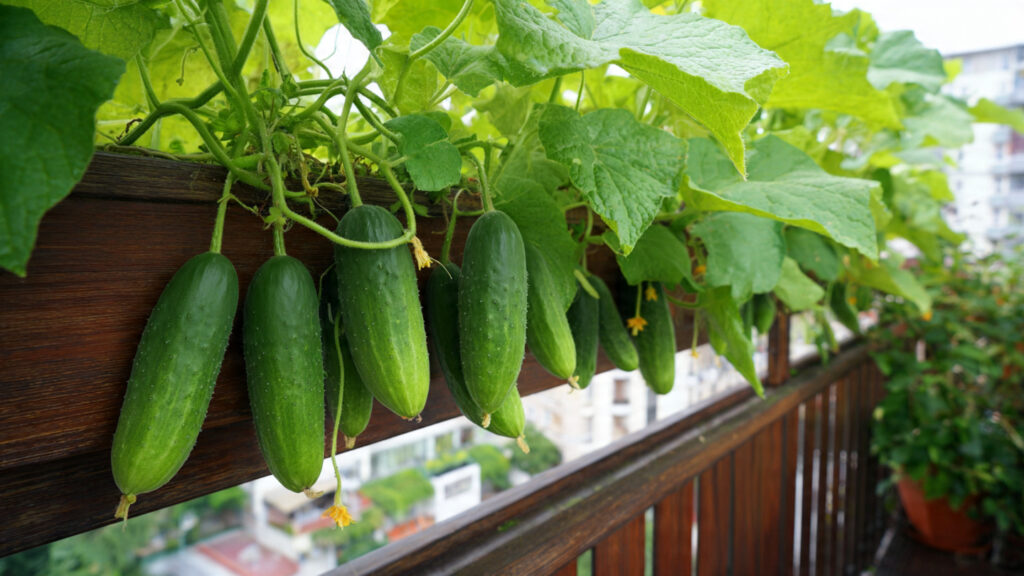
Living in an apartment or urban home doesn’t mean you have to give up the joy of harvesting fresh vegetables. With the right planning and a few smart techniques, you can transform your balcony into a productive cucumber garden that delivers crisp, refreshing fruits all season long. Cucumbers are fast-growing, highly productive, and well-suited to container gardening — making them perfect for balcony growers.
This comprehensive guide will show you exactly how to turn your balcony into a heavy-yield cucumber garden, even if you’re working with limited space.
Why Grow Cucumbers on a Balcony?
Cucumbers are one of the most rewarding crops for small-space gardeners because:
- They grow quickly (harvest in 50–70 days)
- They produce abundantly
- They can climb vertically to save space
- They thrive in containers
- Fresh-picked cucumbers taste far better than store-bought
The common garden cucumber, scientifically known as Cucumis sativus, adapts well to container environments when provided with adequate sunlight and nutrients.
Choosing the Right Cucumber Variety
Not all cucumber varieties are ideal for balcony gardening. For best results, choose compact or vining types that perform well in containers.
Popular choices include:
- Spacemaster 80 – Compact growth habit, ideal for pots.
- Bush Champion – Heavy yields without long vines.
- Marketmore 76 – Reliable and productive climber.
- Lemon Cucumber – Unique round fruits and strong productivity.
Bush varieties require less support, while vining types can produce higher yields when trained vertically.
Selecting the Perfect Containers
Cucumbers have deeper roots than leafy greens, so container size matters.
Choose pots that are:
- At least 12–16 inches deep
- 12–18 inches wide
- Equipped with multiple drainage holes
Larger containers retain moisture longer and support heavier fruit production. Fabric grow bags, plastic pots, or large planters all work well.
If you want maximum yield, avoid small pots — cramped roots limit fruiting.
Use High-Quality Potting Mix
Never use regular garden soil in containers. It compacts easily and restricts root growth.
Prepare a rich, well-draining mix:
- 50% high-quality potting soil
- 30% compost
- 20% cocopeat or perlite
Cucumbers are heavy feeders, so nutrient-rich soil is essential for high production.
Maximize Sunlight Exposure
Cucumbers love sunlight. For heavy yields:
➡️ How to Grow Malabar Spinach from Cuttings for Fast, Easy Greens
➡️ How to Grow Super Delicious Cabbage at Home Without a Garden
➡️ How to Grow Bean Sprouts at Home in Plastic Bottles Easily (Step‑by‑Step Guide)
➡️ Why is Your Lemon Tree Blooming in the Heart of Winter?
➡️ Why Should Your Garden Have a Dedicated Pollinator Highway?
➡️ Why Do Your Fruit Trees Need a Winter Wash to Thrive in Spring?
➡️ How Can Rice Water Transform Your Fruits into Sweeter Delights?
➡️ Jumpstart Your Winter Garden: Seed Starting Under Lights
- Provide at least 6–8 hours of direct sunlight daily.
- Position containers on the sunniest side of your balcony.
- Rotate pots weekly for even growth.
If your balcony receives limited light, opt for bush varieties, which tolerate slightly less sun than long-vining types.
Start from Seeds or Seedlings?
Both methods work well.
Growing from Seeds
- Sow seeds 1 inch deep in moist soil.
- Keep soil warm (above 20°C / 68°F).
- Germination occurs in 5–10 days.
Using Seedlings
- Transplant carefully to avoid root disturbance.
- Plant at the same depth as in nursery pots.
For continuous harvest, plant new seeds every 3–4 weeks during the growing season.
Install Vertical Supports for Bigger Yields
The secret to heavy balcony yields is vertical growing.
Trellises, bamboo stakes, or balcony railings can support climbing vines. Vertical growth:
- Saves floor space
- Improves air circulation
- Reduces pest problems
- Produces straighter cucumbers
- Makes harvesting easier
As vines grow, gently tie them to supports using soft garden ties.
Watering: The Key to Juicy Cucumbers
Cucumbers are made up of over 90% water. Consistent watering is critical.
- Water deeply when the top inch of soil feels dry.
- Avoid letting soil completely dry out.
- Water early in the morning.
- Ensure proper drainage to prevent root rot.
In hot weather, balcony containers may need daily watering.
Irregular watering leads to bitter fruits or misshapen cucumbers.
Fertilizing for Heavy Production
To maximize yield, feed your cucumber plants regularly.
Every 2–3 weeks, apply:
- Liquid organic fertilizer
- Compost tea
- Balanced vegetable fertilizer
Once flowering begins, switch to a fertilizer slightly higher in potassium and phosphorus to support fruit development.
Avoid excessive nitrogen, which encourages leafy growth instead of fruiting.
Encourage Pollination
Cucumber plants produce male and female flowers. Pollination is necessary for fruit development.
If your balcony receives limited bee activity:
- Gently transfer pollen using a small paintbrush.
- Touch male flower centers, then brush onto female flowers (identified by tiny fruit at base).
Some varieties are parthenocarpic (self-fruiting) and do not require pollination — a great choice for high-rise apartments.
Prevent Common Balcony Problems
Urban gardening presents unique challenges. Here’s how to manage them:
1. Wind Stress
High balconies can be windy.
- Place pots near walls.
- Use wind barriers.
- Secure trellises firmly.
2. Heat Stress
Concrete balconies trap heat.
- Use light-colored containers.
- Add mulch to reduce soil temperature.
- Provide afternoon shade during extreme heat.
3. Limited Space
Train vines upward rather than outward. Prune excessive side shoots to maintain control.
Pruning for Productivity
Light pruning can improve yield.
- Remove yellow or damaged leaves.
- Trim overcrowded growth.
- Pinch excessive lateral shoots in small spaces.
Pruning improves airflow and directs energy toward fruit production.
Harvesting for Continuous Yield
Harvest cucumbers regularly to stimulate more fruit production.
- Pick fruits when they reach desired size.
- Do not let cucumbers over-ripen on the vine.
- Use scissors to avoid damaging stems.
Frequent harvesting signals the plant to produce more fruit.
In peak season, you may harvest every 2–3 days.
Companion Plants for Balcony Success
You can grow cucumbers alongside:
- Basil
- Lettuce
- Spinach
- Radishes
- Marigolds (to deter pests)
Companion planting maximizes balcony space and encourages a healthy ecosystem.
Pest Management in Containers
Common pests include:
- Aphids
- Spider mites
- Whiteflies
Control methods:
- Spray leaves with water to remove pests.
- Apply neem oil solution if needed.
- Inspect leaves regularly, especially undersides.
Good airflow and sunlight reduce disease risk.
Extending Your Growing Season
In warm climates, cucumbers can grow for several months. To extend your harvest:
- Succession plant every few weeks.
- Remove old plants once productivity declines.
- Refresh soil before replanting.
With planning, you can enjoy balcony cucumbers throughout the warm season.
Nutritional Benefits of Fresh Cucumbers
Homegrown cucumbers are:
- Hydrating
- Low in calories
- Rich in antioxidants
- High in vitamin K
- Excellent for digestive health
Freshly harvested cucumbers are crisper and more flavorful than store-bought ones.
Final Thoughts
Turning your balcony into a heavy-yield cucumber garden is entirely achievable with proper planning and care. By choosing the right variety, providing strong vertical support, ensuring consistent watering, and feeding regularly, you can enjoy an abundant harvest even in limited urban spaces.
Balcony gardening not only provides fresh food but also adds greenery, improves air quality, and creates a relaxing outdoor retreat. Watching cucumber vines climb upward and produce fresh fruit is both satisfying and practical.