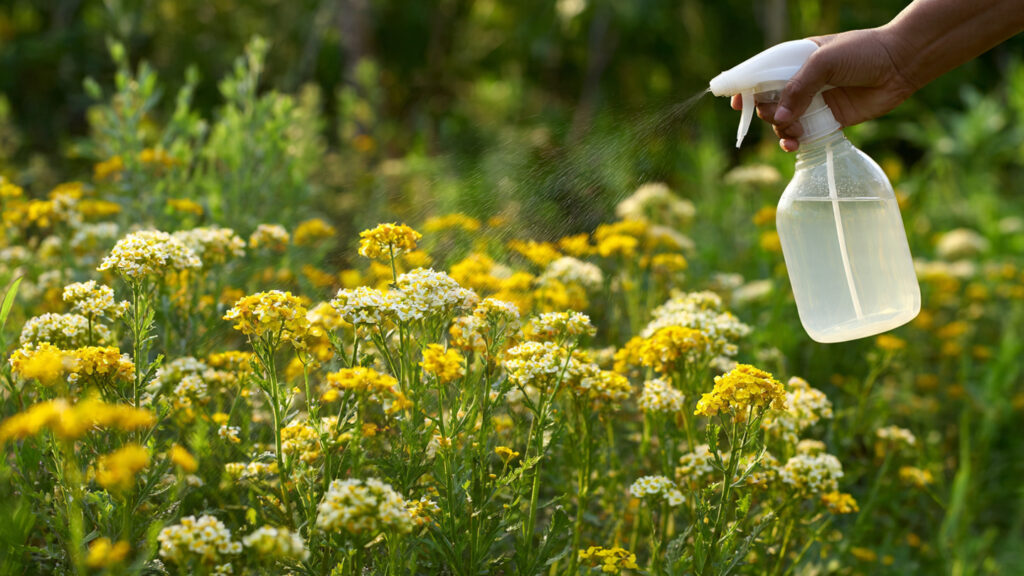
Weeds are the persistent, uninvited guests of every garden. No matter how carefully you plant, water, and nurture your vegetables or flowers, weeds seem to appear overnight. They compete for sunlight, water, and nutrients, often stunting the growth of your carefully cultivated plants. While chemical herbicides promise quick results, many gardeners today are seeking safer, eco-friendly alternatives. One popular and surprisingly effective option is vinegar spray.
But why should you spritz your garden weeds with vinegar spray? Let’s explore the science, benefits, application techniques, and precautions behind this simple yet powerful gardening solution.
Understanding How Vinegar Works on Weeds
Vinegar contains acetic acid, the active ingredient responsible for its weed-killing ability. Household white vinegar typically contains around 5% acetic acid. When sprayed directly onto weeds, the acetic acid draws moisture out of the plant’s leaves. This causes rapid dehydration, leading to wilting and browning within hours.
Unlike systemic herbicides that travel through the plant’s vascular system to kill the roots, vinegar works as a contact herbicide. It damages the parts of the plant it touches. This makes it particularly effective on young, tender weeds that have not yet developed deep or extensive root systems.
The visible results can be dramatic. On a sunny day, sprayed weeds may begin to shrivel within a few hours. By the next day, many small weeds will be completely dried out.
A Natural and Eco-Friendly Alternative
One of the biggest reasons gardeners turn to vinegar spray is its natural origin. Vinegar is a common household product, often used in cooking and cleaning. Unlike synthetic herbicides, it breaks down quickly in the soil and does not leave long-lasting chemical residues.
This makes vinegar spray especially appealing for:
- Home vegetable gardens
- Small backyard plots
- Container gardens
- Areas around pets and children
For gardeners who prioritize organic methods, vinegar provides a way to control weeds without introducing harsh chemicals into the environment.
Cost-Effective and Easily Accessible
Another major advantage of vinegar spray is affordability. A bottle of white vinegar costs very little and is available in virtually every grocery store. Compared to commercial herbicides, which can be expensive and require special handling, vinegar is budget-friendly and convenient.
You don’t need specialized equipment either. A simple spray bottle or garden sprayer is enough to get started. For small gardens or spot treatments, this simplicity makes weed control more manageable and less intimidating.
Ideal for Hard Surfaces and Pathways
Vinegar spray works particularly well in areas where weeds grow between cracks, such as:
- Garden paths
- Driveways
- Patio stones
- Sidewalk edges
In these areas, you’re not worried about harming nearby plants, and vinegar’s non-selective nature becomes an advantage. It effectively scorches unwanted growth without contaminating the surrounding soil for long periods.
Because it doesn’t linger, you can often replant in treated soil after a short time, especially when using standard household vinegar.
Best Conditions for Maximum Effectiveness
To get the most out of vinegar spray, timing and conditions matter.
- Choose a sunny day: Heat and sunlight enhance the drying effect of acetic acid. The combination speeds up plant dehydration.
- Target young weeds: Small, newly sprouted weeds are much easier to eliminate than mature ones.
- Spray thoroughly: Make sure the leaves are well-coated. Vinegar only kills what it touches.
- Apply during dry weather: Rain can dilute and wash away the vinegar before it works.
Repeated applications may be necessary for tougher or perennial weeds. Since vinegar does not typically kill deep roots, some weeds may regrow and require follow-up treatments.
➡️ How to Grow Malabar Spinach from Cuttings for Fast, Easy Greens
➡️ How to Grow Super Delicious Cabbage at Home Without a Garden
➡️ How to Grow Bean Sprouts at Home in Plastic Bottles Easily (Step‑by‑Step Guide)
➡️ Why is Your Lemon Tree Blooming in the Heart of Winter?
➡️ Why Should Your Garden Have a Dedicated Pollinator Highway?
➡️ Why Do Your Fruit Trees Need a Winter Wash to Thrive in Spring?
➡️ How Can Rice Water Transform Your Fruits into Sweeter Delights?
➡️ Jumpstart Your Winter Garden: Seed Starting Under Lights
Safe Use Around Edible Plants
Many gardeners worry about using any weed killer near edible crops. Vinegar offers a safer option when used carefully. However, it’s important to remember that vinegar is non-selective. It will damage any plant it touches, including vegetables and flowers.
To protect your crops:
- Use a shield (like a piece of cardboard) when spraying near desired plants.
- Spray close to the ground to minimize drift.
- Avoid windy days.
By applying carefully and precisely, you can manage weeds without harming your garden harvest.
Stronger Vinegar Solutions: Proceed with Caution
Some gardening stores sell horticultural vinegar with higher acetic acid concentrations (often 10–20%). These stronger solutions are more powerful and can burn skin or irritate eyes.
If you choose to use concentrated vinegar:
- Wear gloves and protective eyewear.
- Avoid inhaling the spray.
- Follow label instructions carefully.
For most home gardens, standard 5% white vinegar is sufficient for managing small, annual weeds.
Limitations You Should Know
While vinegar spray has many advantages, it’s not a perfect solution.
1. It Doesn’t Always Kill Roots
Because vinegar works only on contact, perennial weeds with deep root systems may survive and regrow. You may need multiple treatments or combine vinegar with manual removal for stubborn plants.
2. It Can Affect Soil Microorganisms
Although vinegar breaks down quickly, excessive use can temporarily alter soil pH. Large quantities may disturb beneficial soil organisms. This is rarely a problem with moderate, targeted applications, but it’s wise not to oversaturate the soil.
3. It Works Best on Small Infestations
If your garden is heavily overrun with weeds, vinegar alone may not be enough. In such cases, combining methods—mulching, hand weeding, and improving soil health—will provide better long-term control.
Enhancing Vinegar’s Effectiveness
Some gardeners add a few drops of dish soap to their vinegar spray. Soap acts as a surfactant, helping the solution stick to leaves instead of rolling off. This can increase the contact time and improve results.
Others add salt to the mixture. While salt can boost weed-killing power, it also stays in the soil longer and may harm future plant growth. If you choose to use salt, restrict it to non-planting areas like driveways or stone pathways.
A simple mixture often used is:
- 1 liter white vinegar
- A few drops of liquid dish soap
Shake well and spray directly onto weeds.
A Complement to Preventive Strategies
Vinegar spray works best when combined with preventive gardening practices. Healthy soil and dense plantings naturally suppress weed growth. Consider these additional strategies:
- Mulching: A thick layer of organic mulch blocks sunlight and prevents weed seeds from sprouting.
- Proper spacing: Close planting reduces open soil where weeds can establish.
- Regular monitoring: Removing weeds early prevents them from setting seeds.
By integrating vinegar spray into a broader weed management plan, you reduce labor and improve overall garden health.
Environmental Considerations
Compared to synthetic herbicides that can persist in soil and water systems, vinegar is biodegradable and less likely to cause long-term environmental harm. It does not accumulate in groundwater and typically breaks down quickly.
However, even natural solutions should be used responsibly. Avoid spraying near ponds or delicate ecosystems, and always apply only what you need.
Is Vinegar Spray Right for You?
If you’re looking for a simple, inexpensive, and eco-conscious way to manage small weeds, vinegar spray is a valuable tool. It offers:
- Quick visible results
- Easy preparation
- Minimal environmental impact
- Safe use with proper precautions
While it may not replace all other weed control methods, it can significantly reduce reliance on chemical herbicides.
Final Thoughts
Weeds are a natural part of gardening, but they don’t have to take over your space. Spritzing your garden weeds with vinegar spray provides a practical, natural solution that aligns with sustainable gardening practices.
With proper timing, careful application, and realistic expectations, vinegar spray can help you maintain a cleaner, healthier garden. Whether you’re tending a small balcony garden or a backyard vegetable patch, this humble kitchen staple might just become one of your favorite gardening tools.