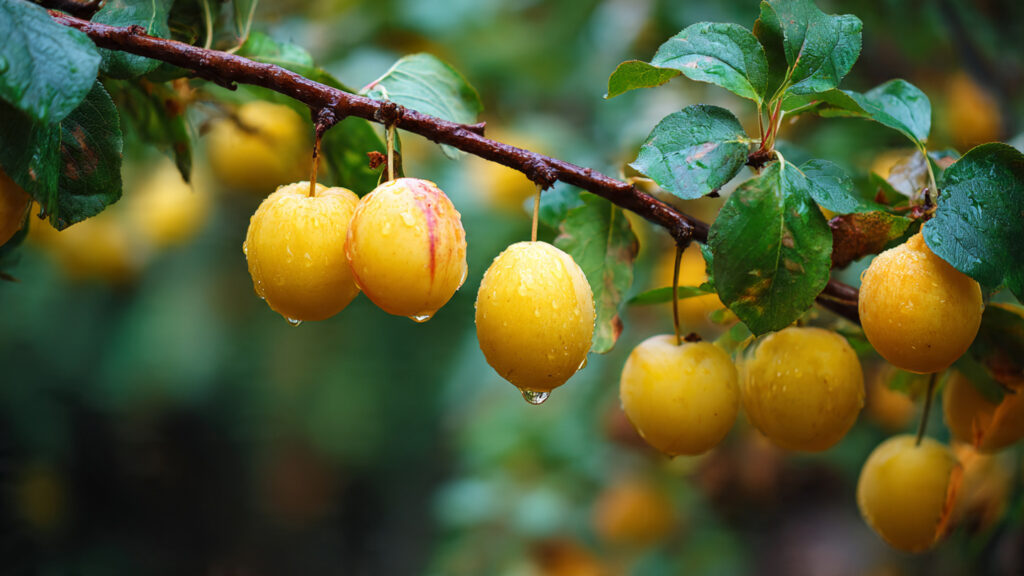
There’s something deeply satisfying about watching your fruit trees grow—strong trunks, spreading branches, and the promise of sweet harvests. But it can be alarming to step into your garden and notice one of your fruit trees leaning to one side. Whether it’s a young mango sapling or a mature guava tree, a leaning trunk is a sign that something needs attention.
If you’ve noticed your fruit trees tilting, don’t panic. In most cases, the issue can be corrected with proper care and effective bracing. In this guide, we’ll explore why fruit trees lean, the risks involved, and the best ways to support and stabilize them.
Common Reasons Fruit Trees Start Leaning
Leaning rarely happens without a cause. Understanding the root of the problem helps you choose the right solution.
1. Strong Winds and Storms
Heavy winds are one of the most common causes of leaning fruit trees. Storms can loosen soil around the roots, especially if the ground is already wet. Young trees with shallow root systems are particularly vulnerable.
2. Waterlogged or Loose Soil
Excess rain or poor drainage can make soil soft and unstable. When the roots lose their firm grip in the ground, the tree may begin to tilt. This is especially common during the monsoon season when soil remains wet for extended periods.
3. Uneven Growth or Heavy Fruit Load
If one side of the tree develops more branches or carries more fruit, the uneven weight distribution can cause it to lean. For example, heavily fruiting branches in trees like Mango or Guava can create imbalance if not pruned properly.
4. Poor Planting Technique
Improper planting can lead to long-term instability. Common mistakes include:
- Planting too shallow or too deep
- Not firming soil around the root ball
- Failing to stake a young tree
A poorly established root system makes a tree more likely to tilt.
5. Weak Root Development
Some trees develop shallow roots due to:
- Compacted soil
- Frequent surface watering
- Lack of deep watering practices
Healthy roots grow deep and spread wide, anchoring the tree securely.
Is a Leaning Tree Dangerous?
Not all leaning trees are doomed. However, ignoring the problem can lead to:
- Permanent structural weakness
- Reduced fruit production
- Root damage
- Complete uprooting during storms
Young trees are easier to correct. Mature trees require more effort and, in some cases, professional help.
The key is to act early.
Step-by-Step: How to Brace a Leaning Fruit Tree Effectively
Correct bracing can restore stability and encourage the tree to straighten naturally over time.
Step 1: Assess the Damage
Before doing anything, check:
➡️ How to Grow Malabar Spinach from Cuttings for Fast, Easy Greens
➡️ How to Grow Super Delicious Cabbage at Home Without a Garden
➡️ How to Grow Bean Sprouts at Home in Plastic Bottles Easily (Step‑by‑Step Guide)
➡️ Why is Your Lemon Tree Blooming in the Heart of Winter?
➡️ Why Should Your Garden Have a Dedicated Pollinator Highway?
➡️ Why Do Your Fruit Trees Need a Winter Wash to Thrive in Spring?
➡️ How Can Rice Water Transform Your Fruits into Sweeter Delights?
➡️ Jumpstart Your Winter Garden: Seed Starting Under Lights
- Are roots exposed?
- Is the trunk cracked?
- How severe is the lean (slight tilt vs. 45-degree angle)?
If roots are severely damaged or the trunk is split, professional arborist assistance may be needed.
For mild to moderate leaning, bracing works well.
Step 2: Gently Reposition the Tree
If the tree recently leaned due to wind:
- Wait until the soil is moist but not waterlogged.
- Carefully push the tree upright.
- Press soil firmly around the base.
- Add fresh soil if needed to cover exposed roots.
Avoid forcing the tree suddenly, as this may damage roots further.
Step 3: Install Strong Stakes
Staking is one of the most effective bracing methods.
How Many Stakes to Use?
- Small trees: 1–2 stakes
- Medium to large trees: 2–3 stakes placed evenly around the trunk
Place stakes outside the root ball area to avoid root injury.
Proper Placement
- Insert stakes firmly into the ground at a slight angle.
- Position them opposite the direction of the lean.
- Keep them about 6–12 inches away from the trunk.
Step 4: Tie the Tree Correctly
The way you tie the tree matters just as much as the stakes themselves.
Use:
- Soft cloth strips
- Tree ties
- Rubber-coated wire
Avoid thin rope or bare wire, which can cut into the bark.
Tie the trunk loosely in a figure-eight pattern. The tree should have slight movement—this encourages trunk strength development. A tree tied too tightly may become dependent on support and develop a weak trunk.
Step 5: Improve Soil Stability
To prevent future leaning:
- Add compost to improve soil structure.
- Ensure proper drainage.
- Create a soil mound around the base for extra support.
Mulching around the tree base helps retain moisture and regulate soil temperature, but keep mulch a few inches away from the trunk to prevent rot.
Alternative Bracing Methods
In cases where staking isn’t enough, you can try additional techniques.
Anchoring Systems
For larger trees, ground anchors can provide extra stability. These involve securing the tree to underground anchors using strong straps.
Temporary Guying
Guying involves using ropes attached to stakes positioned further from the tree. This method is helpful for correcting more severe tilts.
How Long Should You Leave Stakes in Place?
Stakes should not be permanent.
- Young trees: 6–12 months
- Larger trees: Up to 1 year
Check periodically to ensure ties aren’t too tight. Once the tree stands firmly on its own, remove the stakes to allow natural strengthening.
Preventing Future Leaning
Prevention is always better than correction. Here are some proactive steps:
1. Plant Properly
- Dig a hole twice as wide as the root ball.
- Plant at the correct depth.
- Firm soil gently but securely.
2. Encourage Deep Roots
Water deeply but less frequently. This trains roots to grow downward instead of staying near the surface.
3. Prune for Balance
Regular pruning keeps weight evenly distributed. Remove heavy or crowded branches, especially after fruiting.
4. Protect Against Wind
- Install windbreaks if your area experiences strong winds.
- Plant trees near fences or walls (without overcrowding).
5. Avoid Overwatering
Soggy soil weakens root grip. Ensure your garden has proper drainage channels.
Can a Severely Leaning Tree Be Saved?
If a tree is leaning more than 45 degrees and roots are significantly torn, recovery may be difficult. However, young trees often surprise gardeners with their resilience.
For mature fruit trees:
- Lift and reset carefully.
- Prune top growth to reduce stress.
- Brace securely for an extended period.
If the trunk is cracked or roots are severely damaged, replacement may be more practical.
Signs Your Bracing Is Working
Within a few months, you should notice:
- New upright growth
- Firm soil around the base
- Reduced tilt
- Healthier leaf production
Eventually, the tree will strengthen its trunk and root system naturally.
The Bigger Picture: Strong Roots, Strong Harvest
A leaning fruit tree is not just a structural issue—it’s often a sign of underlying root or soil imbalance. By addressing the cause and bracing correctly, you give your tree a second chance to thrive.
Fruit trees are long-term investments. With proper care, they can produce abundant harvests for years. Stabilizing them early ensures better growth, stronger trunks, and healthier fruit production.
Final Thoughts
Seeing your fruit tree lean can feel discouraging, but it’s usually a fixable problem. Strong winds, loose soil, uneven growth, or planting errors are common causes. The solution lies in quick action—repositioning, staking correctly, and improving soil conditions.
Bracing is not about forcing the tree to stand rigidly upright. It’s about guiding it gently back to balance while allowing it to develop strength naturally.