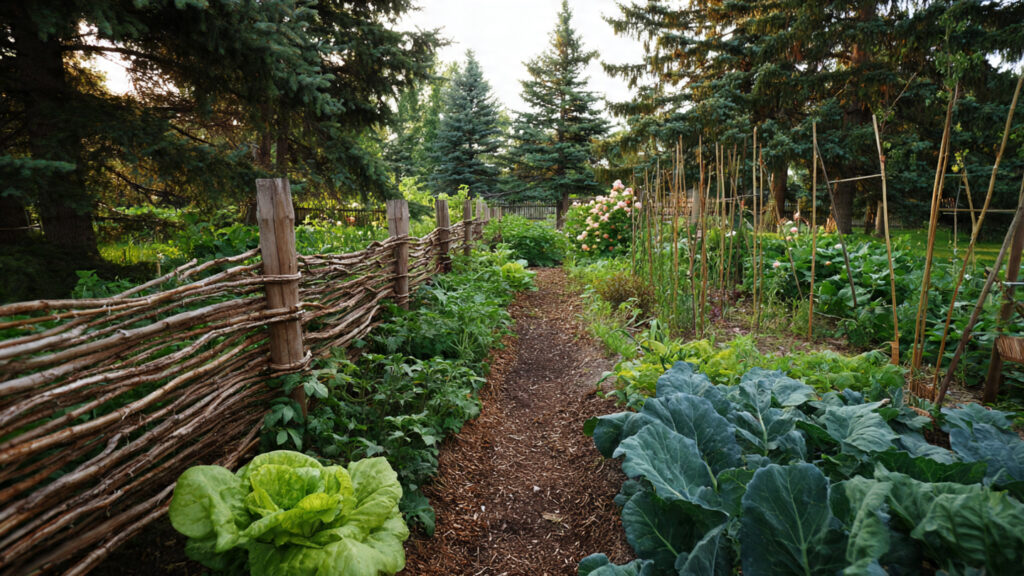
Wind is one of the most overlooked factors in vegetable gardening. While gardeners carefully plan soil quality, watering schedules, and sunlight exposure, strong or constant winds can quietly sabotage even the healthiest plants. From drying out soil to breaking stems and reducing pollination, wind stress can significantly limit your garden’s potential.
The solution? A well-designed windbreak.
Installing a windbreak can dramatically transform the growth, productivity, and overall health of your vegetable garden. In this complete guide, you’ll learn how wind affects plants, how windbreaks work, the best materials to use, and how to design one for maximum impact.
Why Wind Is a Hidden Threat to Vegetable Gardens
At first glance, wind might seem harmless — even beneficial for air circulation. However, excessive or consistent wind can cause several problems:
1. Moisture Loss
Wind speeds up evaporation from both soil and plant leaves. This forces plants to use more water just to survive, leaving less energy for fruit and vegetable production.
2. Physical Damage
Strong gusts can:
- Snap stems
- Tear leaves
- Uproot seedlings
- Damage flowers
Young plants are especially vulnerable.
3. Poor Pollination
While some airflow helps with pollination, excessive wind can blow pollen away or discourage pollinators like bees from visiting.
4. Temperature Fluctuations
Wind increases heat loss, cooling soil and air temperatures around plants. This can slow growth, especially in early spring.
A windbreak acts as a protective shield, creating a more stable microclimate within your garden.
What Is a Windbreak?
A windbreak is any barrier designed to reduce wind speed. It can be made from natural materials, structures, or plantings. The goal is not to block wind completely but to slow it down.
Completely solid barriers can create turbulence behind them, which may cause even more damage. Instead, semi-permeable windbreaks that allow some air to pass through are ideal.
How Windbreaks Improve Vegetable Growth
1. Creates a Stable Microclimate
When wind speed is reduced, temperatures remain more consistent. Soil warms faster in spring and retains heat longer in cooler weather. This allows vegetables like tomatoes, peppers, and cucumbers to thrive.
2. Reduces Water Stress
With less evaporation, soil retains moisture longer. Plants spend less energy replacing lost water and more energy developing roots, leaves, and fruit.
3. Prevents Physical Damage
A windbreak protects delicate crops from snapping or bending. Leafy greens stay intact, climbing plants remain upright, and tall vegetables like corn are less likely to topple.
➡️ How to Grow Malabar Spinach from Cuttings for Fast, Easy Greens
➡️ How to Grow Super Delicious Cabbage at Home Without a Garden
➡️ How to Grow Bean Sprouts at Home in Plastic Bottles Easily (Step‑by‑Step Guide)
➡️ Why is Your Lemon Tree Blooming in the Heart of Winter?
➡️ Why Should Your Garden Have a Dedicated Pollinator Highway?
➡️ Why Do Your Fruit Trees Need a Winter Wash to Thrive in Spring?
➡️ How Can Rice Water Transform Your Fruits into Sweeter Delights?
➡️ Jumpstart Your Winter Garden: Seed Starting Under Lights
4. Improves Pollination
Pollinators prefer calm environments. By reducing strong gusts, windbreaks encourage bees and butterflies to visit your garden more frequently.
5. Increases Yield
Studies and experienced gardeners consistently report higher yields in wind-protected gardens. Healthier plants produce larger and more abundant harvests.
Types of Windbreaks for Vegetable Gardens
There are several effective windbreak options depending on your space, budget, and aesthetic preference.
1. Living Windbreaks (Trees and Shrubs)
Planting trees or shrubs is a long-term solution that provides both protection and beauty.
Popular choices include:
- Bambusa vulgaris – Fast-growing and dense
- Thuja occidentalis – Evergreen and reliable
- Hibiscus rosa-sinensis – Adds decorative appeal
Benefits:
- Long-lasting
- Environmentally friendly
- Attract beneficial insects and birds
Considerations:
- Takes time to establish
- Requires space
- Needs occasional pruning
Living windbreaks work best along the side of your garden that faces prevailing winds.
2. Fencing and Panels
Wooden slat fences, lattice panels, or mesh screens provide immediate protection.
Ideal Features:
- 30–50% permeability
- Sturdy support posts
- Durable materials
A solid wall may block wind completely but can create strong swirling gusts behind it. Slatted or mesh designs reduce wind speed gradually and evenly.
3. Garden Netting and Fabric
Temporary windbreak cloth or agricultural netting is ideal for seasonal protection.
These materials:
- Reduce wind speed
- Allow light and airflow
- Are easy to install
They’re especially useful for protecting seedlings during early growth stages.
4. Raised Bed Placement
Even strategic positioning of raised beds near existing walls, sheds, or hedges can function as a natural windbreak.
If you already have structures on your property, use them to your advantage.
How to Position a Windbreak Properly
Placement is critical for effectiveness.
Step 1: Identify Prevailing Wind Direction
Observe your garden over several days. Note where strong winds typically originate.
Step 2: Install Windbreak Perpendicular to Wind
Place the barrier at a right angle to the prevailing wind.
Step 3: Consider Protection Distance
A windbreak typically protects an area extending 5–10 times its height.
For example, a 6-foot fence can protect up to 30–60 feet behind it.
Step 4: Leave Gaps for Drainage
Avoid placing barriers in a way that traps cold air or causes water pooling.
Best Vegetables That Benefit from Windbreaks
While all plants benefit from protection, certain vegetables see dramatic improvements:
- Tomatoes
- Peppers
- Cucumbers
- Eggplants
- Corn
- Leafy greens
- Beans
Climbing plants especially benefit because wind can stress their support systems.
Additional Benefits Beyond Plant Growth
Windbreaks offer advantages beyond healthier vegetables.
1. Soil Protection
Reduced wind erosion keeps valuable topsoil in place.
2. Improved Working Conditions
Gardening becomes more comfortable in calmer conditions.
3. Noise Reduction
Living windbreaks can reduce street noise.
4. Privacy
Dense shrubs or fences create a secluded gardening environment.
Common Windbreak Mistakes to Avoid
1. Making It Too Solid
A completely solid wall increases turbulence.
2. Installing Too Close to Plants
Leave adequate space to allow airflow and sunlight.
3. Ignoring Maintenance
Living windbreaks require trimming to maintain proper density.
4. Blocking Sunlight
Ensure your windbreak doesn’t cast excessive shade on sun-loving crops.
Seasonal Considerations
Wind protection is especially important during:
- Early spring (when seedlings are delicate)
- Late summer storms
- Transitional seasons with unpredictable weather
Temporary windbreak cloth can supplement permanent structures during extreme conditions.
Combining Windbreaks with Companion Planting
You can integrate windbreak design with productive planting.
For example:
- Tall sunflowers as seasonal wind barriers
- Rows of corn on the windward side
- Dense shrub borders
This creates a multifunctional garden layout that maximizes both protection and harvest.
Cost vs. Long-Term Benefit
While installing a windbreak requires initial effort and investment, the long-term gains often outweigh the cost.
Benefits include:
- Reduced water usage
- Higher yields
- Lower plant replacement costs
- Healthier soil
Over time, a wind-protected garden becomes more resilient and productive.
Final Thoughts
Wind may be invisible, but its effects on your vegetable garden are powerful. By installing a properly designed windbreak, you create a protective environment that allows plants to thrive without constant stress.
From improved moisture retention and stronger stems to better pollination and increased yields, the transformation can be dramatic. Whether you choose living shrubs, fencing, netting, or a combination approach, the key is thoughtful placement and balanced airflow.
A windbreak doesn’t just shield your vegetables — it creates a thriving microclimate where growth accelerates, harvests increase, and gardening becomes more enjoyable.
If you’ve been struggling with stunted growth, broken stems, or drying soil, the answer might not be more fertilizer or water. It might simply be protection from the wind.