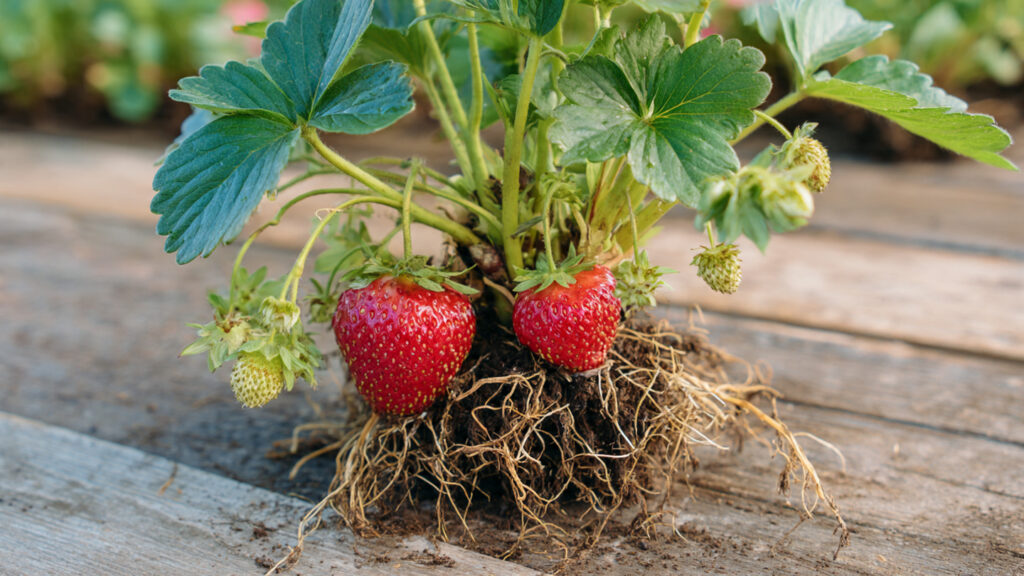
Strawberries are one of the most rewarding fruits to grow at home. Their sweet aroma, vibrant color, and delicious flavor make them a favorite among gardeners. However, if you grow strawberries in containers, you may notice that after a season or two, your plants begin to look tired. Leaves become smaller, fruit production decreases, and roots start crowding the pot. This is a natural sign that your strawberry plants need rejuvenation.
Rejuvenating potted strawberries through root pruning, transplanting, and proper care can dramatically improve plant health and boost fruit production. With the right approach, you can extend the life of your plants and enjoy abundant harvests year after year.
Why Strawberry Plants Need Rejuvenation
Strawberry plants are perennial, but they are not evergreen in productivity. Over time, especially in containers, the roots become compacted and tangled. The soil loses nutrients, drainage declines, and the plant struggles to absorb water efficiently. As a result, fruit size shrinks and yields drop.
In pots, this process happens faster than in garden beds because roots have limited space. Typically, potted strawberries benefit from rejuvenation every one to two years. Signs your plant needs attention include:
- Roots growing out of drainage holes
- Soil drying out too quickly
- Smaller or fewer fruits
- Yellowing leaves despite proper feeding
- Dense root ball when removed from the pot
Root Pruning: The Key to Revitalization
Root pruning may sound intimidating, but it is one of the most effective ways to restore vigor to container-grown strawberries. When roots become root-bound, they circle around the pot and choke themselves. This restricts nutrient uptake and reduces growth.
Step 1: Remove the Plant Carefully
Gently tip the pot sideways and slide the plant out. If it is stuck, lightly squeeze the sides of plastic containers or tap the pot’s rim. Avoid pulling directly on the leaves.
Step 2: Examine the Root Ball
Healthy roots are light brown or creamy white and firm. If the root mass is tightly packed and circling, it is time to prune.
Step 3: Trim the Roots
Using clean, sharp scissors or pruning shears, trim about one-third of the root mass from the bottom. You can also slice vertical cuts along the sides to loosen circling roots. Remove any black, mushy, or rotten roots completely.
Root pruning stimulates new root growth. It may look drastic, but strawberries are resilient plants and respond quickly when given fresh soil and space.
Refreshing the Soil
Old potting soil becomes compacted and depleted of nutrients. Simply adding fertilizer is not enough if the soil structure has broken down. After root pruning, prepare fresh, high-quality potting mix.
Choose a well-draining mix rich in organic matter. You can enhance it by adding compost or well-rotted manure. Strawberries prefer slightly acidic soil with a pH between 5.5 and 6.8. Good drainage is critical, as strawberries dislike waterlogged roots.
Transplanting for Stronger Growth
➡️ How to Grow Malabar Spinach from Cuttings for Fast, Easy Greens
➡️ How to Grow Super Delicious Cabbage at Home Without a Garden
➡️ How to Grow Bean Sprouts at Home in Plastic Bottles Easily (Step‑by‑Step Guide)
➡️ Why is Your Lemon Tree Blooming in the Heart of Winter?
➡️ Why Should Your Garden Have a Dedicated Pollinator Highway?
➡️ Why Do Your Fruit Trees Need a Winter Wash to Thrive in Spring?
➡️ How Can Rice Water Transform Your Fruits into Sweeter Delights?
➡️ Jumpstart Your Winter Garden: Seed Starting Under Lights
Once roots are pruned and fresh soil is ready, transplanting becomes the next important step.
Select the Right Pot
Choose a container with drainage holes. The pot should be at least 8–12 inches deep for a single plant. If growing multiple plants, allow about 8 inches of spacing between each crown.
Planting Depth Matters
Position the plant so that the crown (the point where leaves meet roots) sits at soil level. Planting too deep can cause crown rot, while planting too shallow can expose roots.
Firm and Water
Gently firm the soil around the roots to eliminate air pockets. Water thoroughly after transplanting. This helps settle the soil and reduces transplant shock.
Aftercare: Helping Your Strawberry Recover
Rejuvenation does not end with transplanting. Proper aftercare ensures the plant bounces back quickly.
Provide Partial Shade Initially
After root pruning and transplanting, keep the plant in partial shade for a few days. This reduces stress while new roots establish.
Consistent Watering
Keep the soil evenly moist but not soggy. Strawberries have shallow root systems and are sensitive to both drought and overwatering.
Balanced Feeding
After two weeks, begin feeding with a balanced liquid fertilizer every two to three weeks. Avoid high nitrogen fertilizers, as they promote leafy growth at the expense of fruit production.
Remove Old Leaves and Runners
Trim damaged or old leaves to encourage fresh growth. If your goal is fruit production rather than propagation, remove excessive runners. Runners divert energy away from fruiting.
Seasonal Maintenance Tips
Spring
Early spring is an ideal time for rejuvenation. Remove winter-damaged leaves, refresh soil, and divide overcrowded plants if needed.
Summer
Mulch the surface with straw or coco coir to retain moisture and keep fruits clean. Monitor for pests like aphids and spider mites.
Autumn
After fruiting, trim back spent foliage. In cooler climates, protect pots from frost by moving them to a sheltered area.
Winter
Strawberries go semi-dormant. Reduce watering and avoid fertilizing during this period. Ensure pots do not sit in standing water.
Dividing Strawberry Plants
If your plant has developed multiple crowns, you can divide it during rejuvenation. Carefully separate the crowns, ensuring each division has roots attached. This method not only rejuvenates the original plant but also gives you new plants for free.
Dividing works especially well with June-bearing and everbearing varieties. However, day-neutral types may require slightly gentler handling.
Common Mistakes to Avoid
Over-Pruning Roots
Removing more than one-third to half of the root mass can shock the plant severely.
Planting Too Deep
Covering the crown leads to rot and plant death.
Ignoring Drainage
Even the best soil mix fails without proper drainage holes.
Skipping Soil Replacement
Simply trimming roots without refreshing soil limits the benefits of rejuvenation.
Benefits of Rejuvenation
When done correctly, rejuvenation offers impressive results:
- Larger and sweeter fruits
- Stronger leaf growth
- Improved disease resistance
- Longer plant lifespan
- Higher overall yield
Most gardeners notice improved flowering within weeks after proper care. The plant redirects its energy into producing fresh roots and vibrant foliage.
Creating an Ongoing Care Routine
To keep potted strawberries productive long-term, adopt a simple annual routine:
- Inspect roots yearly.
- Refresh topsoil or fully repot every one to two years.
- Remove runners regularly.
- Feed during active growth periods.
- Monitor watering closely.
With consistent attention, container-grown strawberries can remain productive for several seasons.
Final Thoughts
Rejuvenating your strawberry plants through root pruning, transplanting, and expert aftercare is not complicated, but it makes a world of difference. Container gardening requires a little more hands-on maintenance than ground planting, yet the rewards are worth it. Fresh strawberries harvested from your balcony, patio, or small garden space bring unmatched satisfaction.
Instead of discarding tired plants, give them a second life. A little trimming, fresh soil, and attentive care can transform struggling strawberries into thriving, fruit-filled plants once again. With the right rejuvenation techniques, your potted strawberries will continue producing sweet, juicy harvests season after season.