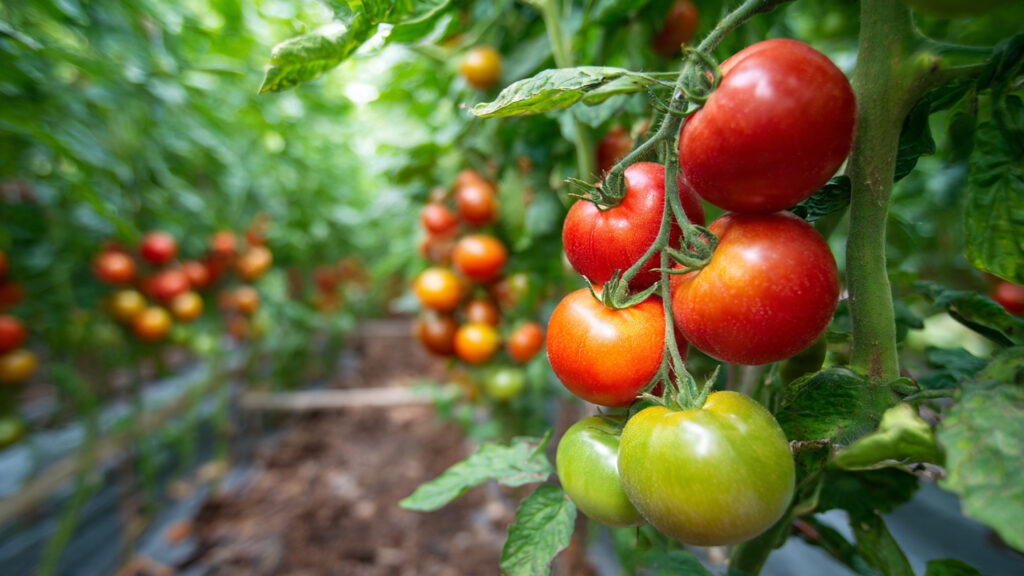
Tomatoes are often called the “queen of the garden,” and for good reason. Bursting with flavor, nutrients, and versatility, they are a staple in kitchens around the world. But growing tomatoes at home can sometimes feel like an elusive dream. Many gardeners struggle with low yields, diseases, or inconsistent fruiting. Fortunately, with the right techniques, anyone can achieve a bountiful tomato harvest—even in limited space. In this guide, we’ll reveal proven home gardening secrets to help you grow more tomatoes than ever before.
1. Choosing the Right Tomato Varieties
The foundation of a successful tomato harvest begins with selecting the right varieties. Tomatoes come in countless shapes, sizes, and growth habits, and choosing the one suited to your garden’s conditions is crucial.
- Determinant vs. Indeterminate: Determinate varieties grow to a fixed size and produce all their fruit in a short period. They are ideal for container gardening or small spaces. Indeterminate varieties continue to grow and produce fruit throughout the season, making them perfect for gardeners seeking a continuous harvest.
- Disease-resistant varieties: Look for varieties labeled as resistant to common tomato diseases such as Fusarium wilt, Verticillium wilt, or nematodes. Resistant plants are more likely to thrive and produce consistently.
- Flavor and use: Decide whether you want fresh-eating tomatoes, cooking tomatoes, or cherry tomatoes. For instance, cherry tomatoes tend to produce abundantly and are perfect for snacking or salads.
By carefully choosing varieties suited to your climate, space, and culinary needs, you set yourself up for maximum success.
2. Starting Seeds Indoors for a Head Start
Starting tomatoes from seed indoors gives plants a strong start, particularly in regions with shorter growing seasons. Seedlings started early often outproduce transplants purchased from nurseries.
- Timing: Start seeds 6-8 weeks before the last expected frost date in your area. This ensures seedlings are mature enough to transplant when the soil warms.
- Containers and soil: Use small pots, seed trays, or even recycled containers with drainage holes. Fill them with a high-quality seed-starting mix that is light, airy, and nutrient-rich.
- Light and warmth: Tomato seedlings need 12-16 hours of bright light daily. A sunny south-facing window may suffice, but fluorescent or LED grow lights often provide more consistent results. Maintain soil temperatures around 70–75°F (21–24°C) for optimal germination.
Healthy seedlings are the key to higher yields. Avoid overcrowding, and transplant seedlings into larger containers once they have their first true leaves.
3. Preparing the Soil for Maximum Productivity
Tomatoes thrive in nutrient-rich, well-draining soil. Preparing the soil properly can significantly increase your harvest.
- Test and amend: Begin with a soil test to determine pH and nutrient levels. Tomatoes prefer slightly acidic soil with a pH of 6.0–6.8. Adjust soil with lime to raise pH or sulfur to lower it.
- Add organic matter: Compost, aged manure, or worm castings improve soil fertility, texture, and moisture retention. Mix these into the planting area before setting out seedlings.
- Mulch for moisture and protection: Organic mulches such as straw, shredded leaves, or grass clippings help retain soil moisture, regulate temperature, and suppress weeds. Mulching also prevents soil-borne diseases from splashing onto the plants.
Healthy soil translates to healthy plants. Taking the time to enrich your soil pays off with larger, more flavorful tomatoes.
4. Proper Spacing and Planting Techniques
Overcrowded tomato plants are more prone to disease and produce fewer fruits. Proper spacing and planting techniques maximize airflow and sun exposure.
- Plant deep: Tomatoes can develop roots along their stems. When transplanting, bury two-thirds of the seedling, leaving only the top leaves above soil. This strengthens root systems and encourages vigorous growth.
- Space appropriately: Indeterminate varieties need about 24–36 inches between plants. Determinate types can be slightly closer. Proper spacing ensures good air circulation, reducing the risk of fungal diseases.
- Support structures: Use cages, stakes, or trellises to keep plants upright. Vertical growth allows more sunlight to reach leaves and fruits, improving overall yield and making harvesting easier.
These simple planting strategies create a healthier environment for your tomato plants, paving the way for an abundant harvest.
5. Watering Wisely for Consistent Growth
Tomatoes require consistent moisture, but overwatering or irregular watering can harm growth and fruiting.
- Deep and infrequent: Water deeply 1–2 times per week rather than frequent shallow watering. Deep watering encourages roots to grow downwards, making plants more resilient.
- Avoid wetting foliage: Water at the base of the plant to minimize leaf wetness, which can promote fungal diseases.
- Mulch and irrigation: Mulching retains soil moisture, while drip irrigation or soaker hoses ensure water reaches roots efficiently without wetting leaves.
Maintaining steady soil moisture prevents blossom end rot, a common problem caused by calcium deficiency exacerbated by inconsistent watering.
6. Fertilization for Heavy Yields
Tomatoes are heavy feeders. Proper nutrition ensures robust plants and abundant fruit.
- Balanced fertilizer: Use a fertilizer formulated for tomatoes or vegetables, high in phosphorus and potassium, which promote flowering and fruiting. Nitrogen should be moderate—too much encourages leafy growth at the expense of fruits.
- Timing: Fertilize when transplanting and again when the first flowers appear. Continue feeding every 2–3 weeks throughout the season.
- Foliar feeding: Occasionally, apply liquid seaweed or fish emulsion directly to leaves to provide trace nutrients and stimulate growth.
Feeding tomatoes correctly enhances fruit size, quantity, and overall plant health.
7. Pruning and Managing Growth
Pruning may seem counterintuitive, but it is a proven method to boost tomato yields, especially for indeterminate varieties.
- Remove suckers: Suckers are shoots that grow in the leaf axils. Removing them directs energy toward fruit production rather than excessive foliage.
- Trim lower leaves: Cut leaves that touch the soil to reduce disease risk and improve airflow.
- Support and tie: Regularly tie stems to stakes or cages as plants grow taller, preventing breakage and keeping fruits off the ground.
Pruning focuses the plant’s energy on producing more and better-quality fruits.
➡️ How to Grow Malabar Spinach from Cuttings for Fast, Easy Greens
➡️ How to Grow Super Delicious Cabbage at Home Without a Garden
➡️ How to Grow Bean Sprouts at Home in Plastic Bottles Easily (Step‑by‑Step Guide)
➡️ Why is Your Lemon Tree Blooming in the Heart of Winter?
➡️ Why Should Your Garden Have a Dedicated Pollinator Highway?
➡️ Why Do Your Fruit Trees Need a Winter Wash to Thrive in Spring?
➡️ How Can Rice Water Transform Your Fruits into Sweeter Delights?
➡️ Jumpstart Your Winter Garden: Seed Starting Under Lights
8. Controlling Pests and Diseases Naturally
Tomato plants are susceptible to pests like aphids, whiteflies, and tomato hornworms, as well as diseases such as blight and powdery mildew.
- Integrated pest management: Inspect plants regularly, remove pests by hand, and introduce beneficial insects like ladybugs or lacewings.
- Natural sprays: Neem oil or insecticidal soap can manage many pests without harming your plants or the environment.
- Disease prevention: Rotate crops, avoid overhead watering, and maintain proper spacing. Resistant varieties are less likely to succumb to common tomato diseases.
Healthy plants produce more fruits. Preventing problems early keeps your harvest abundant.
9. Harvesting for Maximum Yield
Timing your harvest correctly is just as important as growing the plants. Picking tomatoes at the right stage encourages continued production.
- Harvest when slightly firm: For indeterminate varieties, pick tomatoes when they are fully colored but still firm. This allows plants to continue producing new fruits.
- Regular harvesting: Frequent picking prevents overripe fruits from weighing down branches and signals the plant to keep producing.
- Handle with care: Gently twist or cut tomatoes from the vine to avoid damaging stems and flowers.
Consistent harvesting maximizes the total yield from each plant and extends the productive season.
10. Extending the Growing Season
For gardeners in cooler climates, extending the tomato growing season can significantly boost yields.
- Use row covers or cloches: Protect plants from early frosts and cold nights.
- Container gardening: Growing tomatoes in pots allows you to move plants indoors or to a warmer location as needed.
- Succession planting: Start a new set of seeds every few weeks to ensure a continuous supply of fruit throughout the season.
Longer growing periods allow plants to reach their full fruiting potential, giving you more tomatoes than you ever imagined.
Conclusion
Growing an abundant tomato harvest is not just about luck; it’s about strategy, attention to detail, and consistent care. By selecting the right varieties, starting seeds early, preparing nutrient-rich soil, providing proper support, watering wisely, pruning effectively, and managing pests and diseases, you can significantly increase your tomato yield. Whether you have a large garden or a small balcony, these home gardening secrets make it possible to enjoy more fresh, juicy tomatoes than ever before. With a little planning and care, your homegrown tomato bounty can rival—and even surpass—anything you’ve bought from the market.