Gardening is more than just a hobby—it is a rewarding way to connect with nature, improve your health, and even reduce your grocery bills. However, many aspiring gardeners feel overwhelmed by questions about soil quality, sunlight, watering schedules, and pest control. The good news is that with the right guidance and a few key techniques, anyone can cultivate a thriving garden, regardless of space or experience. This article unveils the essential tips to grow healthy, productive plants in any environment—whether you have a sprawling backyard, a tiny balcony, or just a sunny windowsill.
1. Understanding Your Space and Light
Before planting a single seed, it’s crucial to assess your garden space. Sunlight is one of the most critical factors for plant growth. Most vegetables, such as tomatoes, peppers, and cucumbers, need at least six to eight hours of direct sunlight daily. Leafy greens like lettuce, spinach, and kale tolerate partial shade and can thrive with four to six hours of sunlight.
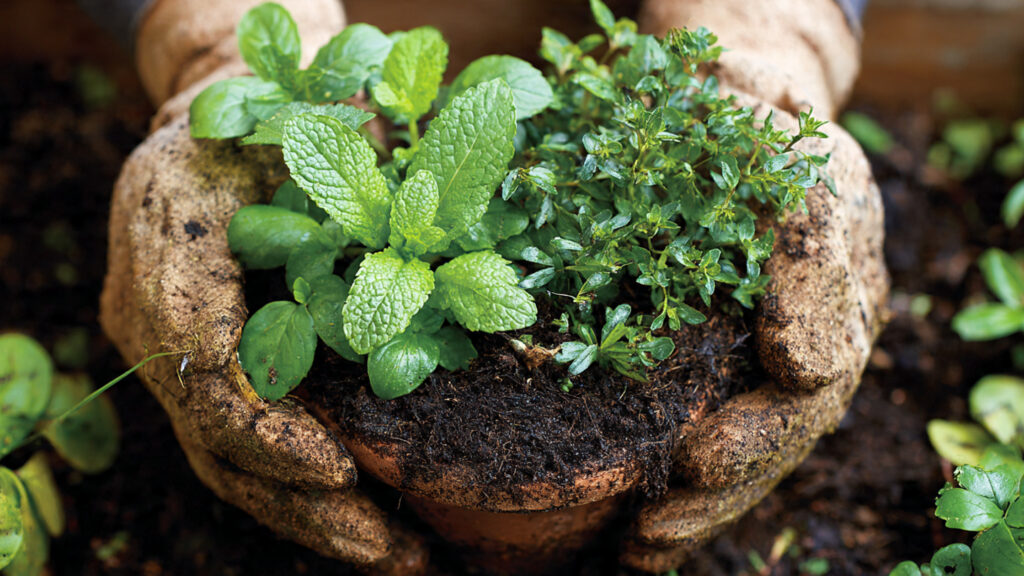
If you are working with indoor or shaded spaces, don’t despair. Many herbs, including basil, mint, and parsley, can grow in containers near windows or under artificial grow lights. Understanding the light conditions of your space allows you to select the right plants, increasing your chances of success.
2. Choosing the Right Soil
Healthy plants begin with healthy soil. The foundation of a productive garden lies in soil that is rich in nutrients, well-draining, and properly aerated. If you are gardening in containers, choose high-quality potting soil rather than garden soil, which can compact easily and hinder root growth.
For outdoor beds, consider testing your soil’s pH and nutrient levels. Most vegetables prefer a slightly acidic to neutral pH of 6.0 to 7.0. Adding organic matter, like compost or well-rotted manure, improves soil structure, retains moisture, and supplies essential nutrients for vigorous growth.
3. Smart Watering Practices
Watering is a deceptively simple yet critical component of gardening. Both under- and over-watering can harm plants, stunt growth, and encourage disease. The best approach is consistent, deep watering rather than frequent, shallow watering. This encourages roots to grow deeper, making plants more resilient to drought.
A helpful tip is to water early in the morning. This reduces evaporation and allows foliage to dry throughout the day, lowering the risk of fungal infections. For container gardens, make sure your pots have proper drainage holes to prevent waterlogging, which can lead to root rot.
4. Choosing the Right Plants for Your Space
Every garden, no matter how small, has the potential to produce a bounty—if you choose plants suited to your environment. Compact and dwarf varieties are ideal for balconies and patios. For example, cherry tomatoes, mini bell peppers, and salad greens flourish in containers.
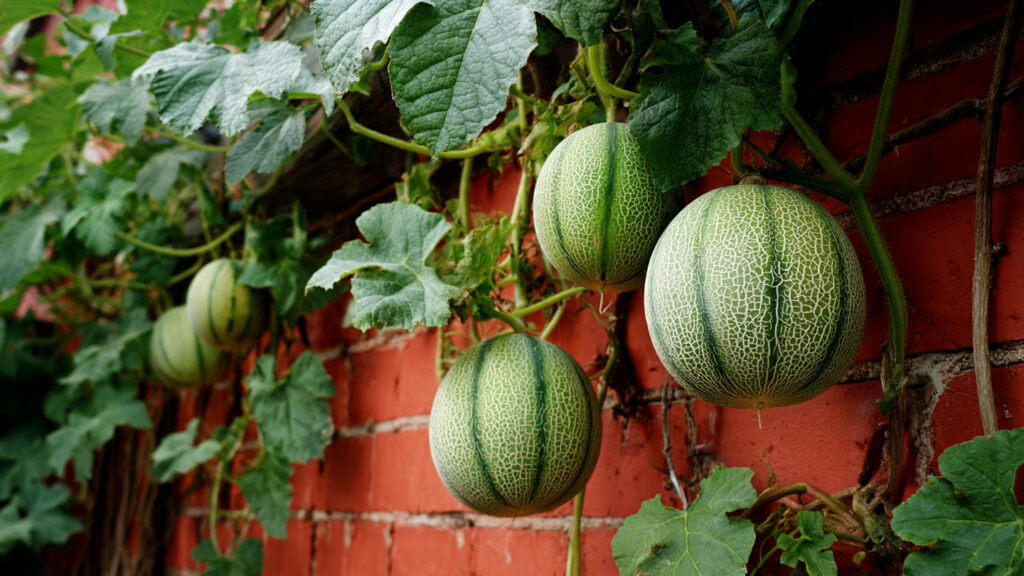
Vertical gardening is another powerful technique for small spaces. Using trellises, hanging baskets, or wall-mounted planters, you can grow climbing plants like beans, peas, and cucumbers, effectively multiplying your yield without taking up extra floor space.
5. Fertilizing for Growth
Plants require a steady supply of nutrients to thrive. While rich soil provides a good start, supplementation with fertilizers ensures ongoing health and productivity. Organic fertilizers, such as compost, bone meal, and fish emulsion, are gentle and sustainable options that improve soil structure over time.
When using commercial fertilizers, always follow the recommended dosage. Over-fertilization can burn roots, stunt growth, and even reduce fruit quality. A balanced fertilization schedule tailored to each plant’s growth stage ensures strong stems, vibrant leaves, and abundant blooms or fruits.
6. Mulching for Moisture and Weed Control
Mulching is a secret weapon of successful gardeners. A layer of organic mulch, such as straw, wood chips, or shredded leaves, conserves soil moisture, regulates temperature, and suppresses weeds. Mulch also decomposes gradually, adding valuable nutrients to the soil.
Apply mulch around the base of plants, leaving a small gap near the stem to prevent rot. Mulching reduces the need for frequent watering and keeps your garden looking neat, healthy, and productive throughout the growing season.
7. Pruning and Training Plants
Pruning is more than just shaping your plants; it is essential for promoting growth and maximizing yields. Removing dead, diseased, or overcrowded branches improves air circulation and sunlight penetration, reducing the risk of pests and fungal diseases.
For fruiting plants like tomatoes and peppers, pruning helps concentrate energy on fruit production rather than excessive foliage. Training plants to grow along supports or trellises ensures optimal sunlight exposure and simplifies harvesting.
➡️ How to Grow Malabar Spinach from Cuttings for Fast, Easy Greens
➡️ How to Grow Super Delicious Cabbage at Home Without a Garden
➡️ How to Grow Bean Sprouts at Home in Plastic Bottles Easily (Step‑by‑Step Guide)
➡️ Why is Your Lemon Tree Blooming in the Heart of Winter?
➡️ Why Should Your Garden Have a Dedicated Pollinator Highway?
➡️ Why Do Your Fruit Trees Need a Winter Wash to Thrive in Spring?
➡️ How Can Rice Water Transform Your Fruits into Sweeter Delights?
➡️ Jumpstart Your Winter Garden: Seed Starting Under Lights
8. Pest and Disease Management
No garden is completely free from pests or diseases, but proactive management can prevent major damage. Regularly inspect your plants for signs of pests, such as holes in leaves, discoloration, or sticky residue. Early detection allows for targeted action before infestations spread.
Integrated pest management (IPM) is an effective, eco-friendly approach. Encourage beneficial insects like ladybugs and lacewings to control harmful pests naturally. Homemade remedies, such as neem oil sprays or soapy water, can also reduce infestations without harming your plants or the environment.
9. Companion Planting
Companion planting is an age-old technique that leverages the natural relationships between plants. Certain combinations deter pests, improve soil fertility, and enhance growth. For example, planting basil near tomatoes can repel harmful insects and enhance the flavor of your tomatoes. Similarly, marigolds planted among vegetables act as natural pest deterrents.
Understanding these natural synergies allows you to create a garden ecosystem that supports healthy, productive plants while minimizing chemical interventions.
10. Consistent Monitoring and Care
One of the most important secrets to a successful garden is consistent care. Plants are living organisms and respond quickly to changes in their environment. Regularly check soil moisture, inspect for pests, remove weeds, and ensure your plants receive adequate sunlight and nutrients.
Keeping a gardening journal can be surprisingly helpful. Note planting dates, watering schedules, fertilizer applications, and observed issues. Over time, this record becomes a personalized guide to perfecting your garden practices and increasing yields.
11. Harvesting at the Right Time
Harvesting at the optimal time not only ensures the best flavor and texture but also encourages plants to continue producing. Vegetables like beans, peas, and zucchini should be picked young and tender, while fruits like tomatoes and peppers should be harvested when fully ripe.
For continuous harvest, adopt the “succession planting” strategy. Stagger sowing dates to ensure that as one crop is harvested, another is ready to take its place. This approach keeps your garden productive throughout the growing season.
12. Creative Indoor and Container Gardening
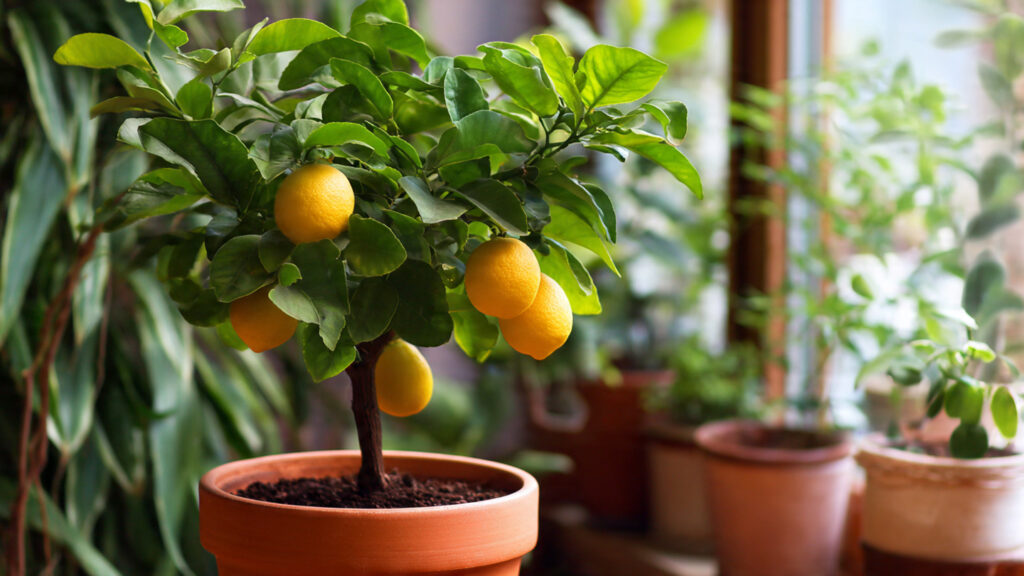
For those with limited outdoor space, container gardening and indoor setups offer amazing possibilities. Use pots, trays, and even repurposed containers to grow herbs, leafy greens, and small vegetables. Ensure adequate light by placing plants near windows or supplementing with grow lights.
Hydroponics, a soil-free growing method using nutrient-rich water, is another exciting option. With proper setup, you can grow fresh herbs, lettuce, and even strawberries indoors year-round, maximizing productivity in any space.
Conclusion
Growing healthy, productive plants doesn’t require a sprawling backyard or professional experience. By understanding your space, choosing the right plants, nurturing soil health, watering wisely, and adopting smart gardening practices, anyone can create a thriving home garden. The keys are observation, consistency, and a willingness to experiment and learn.
With these essential tips, your garden can become a source of fresh produce, vibrant flowers, and endless satisfaction—proving that no matter the size of your space, great gardening is always within reach.
Start small, be patient, and watch your efforts blossom into a lush, productive garden that brings joy, nutrition, and beauty to your home.