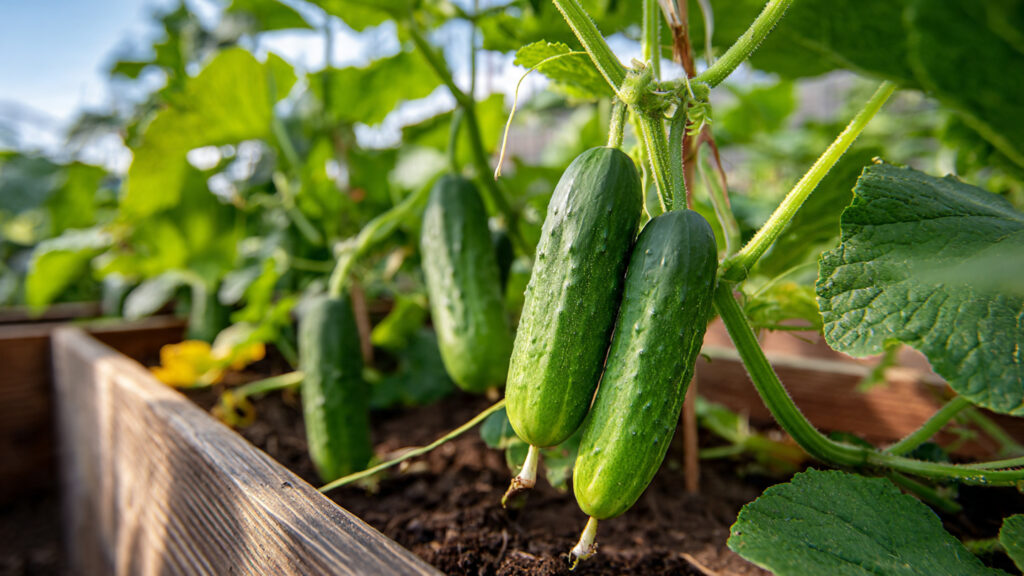
Cucumbers are one of the most refreshing and versatile vegetables to grow in your home garden. From crisp salads to tangy pickles, nothing beats the taste of fresh, homegrown cucumbers. Yet, many gardeners struggle to get high yields, facing issues like poor fruit size, bitter flavor, or pest infestations. The good news is that with the right techniques, anyone can enjoy a bountiful cucumber harvest. In this guide, we’ll share essential cucumber growing tips that will help you produce big, healthy, and crisp cucumbers at home.
1. Selecting the Right Cucumber Variety
The first step toward a successful cucumber harvest is choosing the right variety for your garden.
- Slicing vs. Pickling: Slicing cucumbers are larger, thicker-skinned, and perfect for fresh consumption, while pickling varieties are smaller and ideal for making pickles. Knowing your purpose will help you choose the best type.
- Bush vs. Vining: Bush cucumbers are compact, making them ideal for containers and small gardens. Vining cucumbers grow longer vines and often produce more fruit, suitable for trellising in larger spaces.
- Disease-resistant varieties: Look for varieties resistant to common cucumber diseases like powdery mildew, downy mildew, and mosaic virus. This will reduce plant stress and increase your harvest.
Selecting the right variety ensures that your cucumbers thrive in your specific growing conditions.
2. Starting Seeds for a Head Start
Starting cucumber seeds indoors can give you a significant advantage, especially in regions with short growing seasons.
- Timing: Sow seeds indoors 3–4 weeks before the last frost date in your area. This allows seedlings to establish strong roots before transplanting outdoors.
- Containers and soil: Use small pots or seed trays filled with a lightweight, well-draining seed-starting mix. Avoid heavy garden soil, which can cause poor germination.
- Warmth and light: Cucumbers germinate best at 70–75°F (21–24°C). Provide 12–16 hours of light per day, either from a sunny window or grow lights, to prevent leggy seedlings.
Healthy seedlings give you a strong foundation for robust plants that will produce large, crisp fruits.
3. Choosing the Perfect Location
Cucumbers are sun-loving plants that require warmth and space to thrive.
- Sunlight: Select a location that receives at least 6–8 hours of direct sunlight daily. Insufficient light can lead to spindly vines and poor fruiting.
- Soil: Cucumbers prefer well-draining, fertile soil rich in organic matter. A slightly acidic to neutral pH of 6.0–7.0 is ideal.
- Space and airflow: Good spacing is essential to prevent diseases. Bush varieties can be spaced 12–18 inches apart, while vining varieties need 36–60 inches between plants for optimal growth.
A sunny, fertile spot with ample airflow sets the stage for high-yielding cucumber plants.
4. Proper Planting Techniques
Planting cucumbers correctly ensures strong roots and vigorous growth.
- Transplanting seedlings: When moving seedlings outdoors, wait until soil temperatures are consistently above 60°F (16°C). Harden off seedlings by gradually exposing them to outdoor conditions over 7–10 days.
- Direct sowing: In warmer regions, you can sow cucumber seeds directly into the soil. Plant seeds 1 inch deep, spaced according to variety type.
- Mulching: Apply organic mulch, such as straw or shredded leaves, around the base of plants to retain soil moisture, regulate temperature, and suppress weeds.
Correct planting techniques encourage strong root development, which supports big, healthy cucumbers.
5. Trellising for Maximum Yields
While cucumbers can grow along the ground, providing vertical support has multiple benefits.
- Why trellis?: Trellising keeps vines off the ground, improving air circulation, reducing disease risk, and making harvesting easier. It also prevents fruits from becoming misshapen or damaged.
- Methods: Simple stakes, A-frame trellises, or netting can support vining cucumbers. Tie vines loosely with soft twine as they grow.
- Training vines: Regularly guide the vines along the trellis, removing excess growth if needed to focus energy on fruit production.
Vertical growth not only saves space but also leads to larger, straighter cucumbers.
6. Watering for Consistent Growth
Cucumbers are sensitive to water stress, which can lead to bitter fruits or blossom end rot.
- Deep and consistent: Water deeply once or twice a week, depending on rainfall, to encourage strong root systems. Avoid frequent shallow watering.
- Avoid wet leaves: Water at the base of the plant to minimize leaf wetness, reducing the risk of fungal diseases.
- Mulch and irrigation: Mulching helps retain soil moisture, while drip irrigation provides consistent water delivery directly to roots.
Maintaining even soil moisture keeps cucumbers sweet, crisp, and free of bitterness.
7. Fertilization for Big, Healthy Fruits
Cucumbers are heavy feeders and need balanced nutrition for optimal growth.
- Nutrient needs: Apply a fertilizer high in nitrogen during early growth to promote foliage, then switch to one higher in phosphorus and potassium when flowers appear to encourage fruiting.
- Organic options: Compost, aged manure, or liquid seaweed extract can provide essential nutrients naturally.
- Foliar feeding: Spraying a diluted fertilizer solution on leaves can supply micronutrients and boost plant vigor.
Consistent fertilization supports healthy leaves, flowers, and ultimately, larger and more abundant cucumbers.
➡️ How to Grow Malabar Spinach from Cuttings for Fast, Easy Greens
➡️ How to Grow Super Delicious Cabbage at Home Without a Garden
➡️ How to Grow Bean Sprouts at Home in Plastic Bottles Easily (Step‑by‑Step Guide)
➡️ Why is Your Lemon Tree Blooming in the Heart of Winter?
➡️ Why Should Your Garden Have a Dedicated Pollinator Highway?
➡️ Why Do Your Fruit Trees Need a Winter Wash to Thrive in Spring?
➡️ How Can Rice Water Transform Your Fruits into Sweeter Delights?
➡️ Jumpstart Your Winter Garden: Seed Starting Under Lights
8. Pollination and Flower Management
Cucumbers rely on pollination to set fruit, and poor pollination can result in small or misshapen cucumbers.
- Understanding flowers: Cucumbers have male and female flowers. Bees and other pollinators transfer pollen from male to female flowers, which is crucial for fruit development.
- Encouraging pollinators: Plant flowers nearby to attract bees, avoid pesticides during flowering, or hand-pollinate using a small brush or cotton swab.
- Flower pruning: Remove yellowing or damaged flowers to redirect energy toward healthy fruit production.
Proper pollination ensures that every flower has the potential to grow into a plump, crisp cucumber.
9. Controlling Pests and Diseases Naturally
Cucumbers can be affected by pests such as aphids, cucumber beetles, and spider mites, as well as fungal diseases like powdery mildew.
- Early detection: Inspect plants regularly for signs of pests or disease. Remove infected leaves or pests by hand when possible.
- Companion planting: Plant herbs like basil or flowers such as marigolds nearby to repel pests naturally.
- Natural treatments: Neem oil, insecticidal soap, or baking soda sprays can help manage pests and fungi without harming plants or the environment.
Healthy, pest-free plants produce larger, higher-quality cucumbers.
10. Harvesting for Maximum Crispness
The timing and technique of harvesting cucumbers directly affect yield and flavor.
- Pick young and firm: Cucumbers are best harvested when they are firm and slightly smaller than full size. Leaving them too long can result in bitter or seedy fruits.
- Regular harvesting: Frequent picking encourages plants to produce more fruits. Check plants every 2–3 days during peak season.
- Gentle handling: Use scissors or carefully twist the cucumber off the vine to avoid damaging stems or neighboring fruits.
Consistent harvesting keeps cucumber plants productive and ensures every fruit is crisp and delicious.
11. Extending the Growing Season
For gardeners in cooler climates or areas with short growing seasons, extending cucumber production can increase overall yield.
- Raised beds or containers: Plant cucumbers in raised beds or pots to warm the soil faster in spring.
- Row covers or cloches: Protect plants from early or late frosts, allowing for longer growth periods.
- Succession planting: Sow new seeds every 2–3 weeks to maintain a continuous supply of cucumbers throughout the season.
Longer growing periods result in more fruits and a longer window to enjoy fresh cucumbers.
Conclusion
Growing big, healthy cucumbers at home is achievable with the right knowledge and care. From selecting the right varieties and starting seeds indoors to providing proper soil, water, nutrition, and support, every step contributes to a successful harvest. Trellising, pollination, pest control, and careful harvesting further maximize yield and fruit quality. By following these essential cucumber growing tips, you can enjoy abundant, crisp, and flavorful cucumbers all season long—perfect for salads, pickles, or simply snacking fresh from your garden. With patience, attention, and a little love, your home garden can become a reliable source of cucumber abundance.