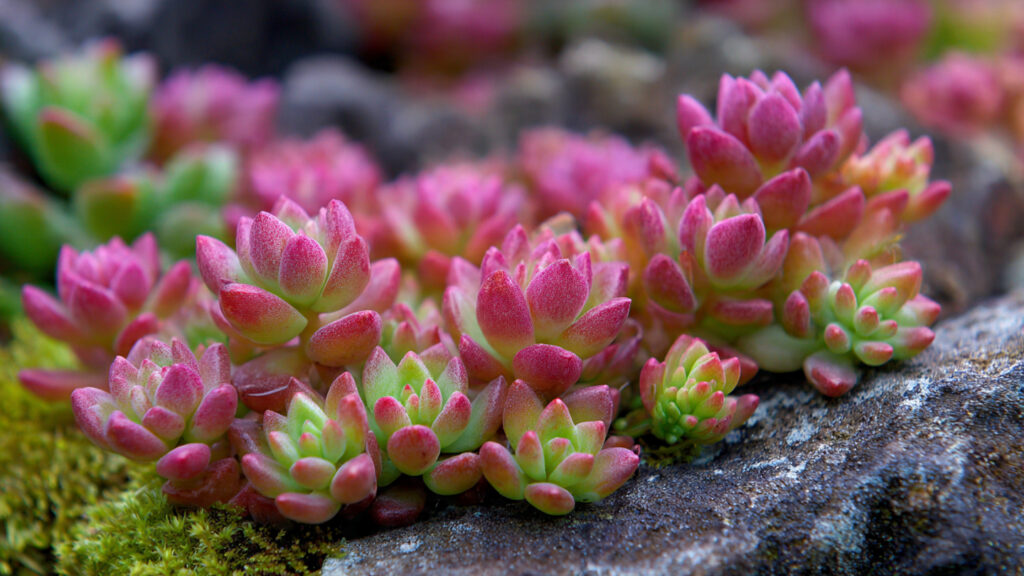
If you’re looking for a hardy, low-maintenance plant that thrives in tough conditions and adds vibrant texture to your landscape, sedum ground cover is an excellent choice. Perfect for rock gardens, slopes, borders, and dry areas, sedum offers beauty without demanding constant care. In this complete guide, you’ll learn everything you need to know about growing sedum ground cover successfully in your rock garden.
What Is Sedum?
Sedum, commonly known as stonecrop, is a genus of succulent plants known for their fleshy leaves and star-shaped flowers. Most sedum varieties are drought-tolerant, sun-loving, and adaptable to poor soil conditions, making them ideal for rock gardens.
Popular low-growing sedum varieties for ground cover include:
- Sedum acre (Goldmoss Stonecrop)
- Sedum spurium (Two-Row Stonecrop)
- Sedum album (White Stonecrop)
- Sedum reflexum (Blue Spruce Stonecrop)
Each variety has slightly different foliage color, growth habits, and flower shades, but all share excellent ground-covering ability.
Why Sedum Is Perfect for Rock Gardens
Rock gardens typically feature well-draining soil, lots of sun, and minimal irrigation — conditions that many plants struggle with. Sedum thrives in exactly these environments.
Here’s why sedum works so well:
- Drought resistance: Stores water in its leaves.
- Shallow roots: Perfect for thin, rocky soil.
- Low maintenance: Requires minimal pruning or feeding.
- Weed suppression: Forms dense mats that crowd out weeds.
- Seasonal interest: Offers colorful foliage and attractive blooms.
Because sedum naturally grows in rocky, mountainous areas, it adapts beautifully to the rugged aesthetic of rock gardens.
Choosing the Right Sedum Variety
Before planting, consider your climate, sun exposure, and desired appearance.
For Hot, Sunny Climates
Choose varieties like Sedum acre or Sedum reflexum. These tolerate intense sunlight and heat without losing color.
For Cooler Climates
Sedum album and Sedum spurium handle cold winters well and can survive frost.
For Color Variety
- Yellow flowers: Sedum acre
- Pink flowers: Sedum spurium
- White flowers: Sedum album
- Blue-gray foliage: Sedum reflexum
Mixing varieties creates visual contrast and extends blooming time throughout the season.
Preparing Your Rock Garden
Although sedum is forgiving, proper preparation ensures strong growth.
1. Improve Drainage
Good drainage is the most critical factor. Sedum does not tolerate soggy soil. If your soil is heavy clay:
- Mix in coarse sand or gravel.
- Add compost sparingly.
- Create raised mounds to improve runoff.
Rock gardens naturally offer drainage through slopes and stones, but double-check that water doesn’t pool after rain.
2. Clear Weeds
Remove weeds thoroughly before planting. Once sedum spreads, it will suppress most new weeds, but initial preparation is key.
➡️ How to Grow Malabar Spinach from Cuttings for Fast, Easy Greens
➡️ How to Grow Super Delicious Cabbage at Home Without a Garden
➡️ How to Grow Bean Sprouts at Home in Plastic Bottles Easily (Step‑by‑Step Guide)
➡️ Why is Your Lemon Tree Blooming in the Heart of Winter?
➡️ Why Should Your Garden Have a Dedicated Pollinator Highway?
➡️ Why Do Your Fruit Trees Need a Winter Wash to Thrive in Spring?
➡️ How Can Rice Water Transform Your Fruits into Sweeter Delights?
➡️ Jumpstart Your Winter Garden: Seed Starting Under Lights
3. Positioning
Choose a location that receives at least 6 hours of sunlight daily. While some sedums tolerate partial shade, full sun produces stronger growth and brighter color.
How to Plant Sedum Ground Cover
Planting sedum is simple and beginner-friendly.
Step 1: Spacing
Space plants 6–12 inches apart, depending on the variety. They will gradually spread and fill gaps.
Step 2: Dig Small Holes
Dig shallow holes just deep enough to cover the root ball.
Step 3: Plant and Firm Soil
Place the plant in the hole, fill with soil, and gently press down to eliminate air pockets.
Step 4: Light Watering
Water lightly after planting to help roots establish. Avoid overwatering.
Within a few weeks, sedum begins spreading outward, creating a lush carpet over stones and soil.
Watering Requirements
Sedum is extremely drought-tolerant once established.
- New plants: Water once or twice per week during the first month.
- Established plants: Water only during extended dry periods.
- Rainy seasons: No extra watering required.
Overwatering is the most common mistake. Soft, mushy leaves are a sign of too much moisture.
Fertilizing Sedum
Sedum requires little to no fertilizer. Excess nutrients can cause weak, leggy growth.
If desired:
- Apply a light compost layer in early spring.
- Avoid high-nitrogen fertilizers.
In rock gardens, poor soil actually encourages stronger, more compact growth.
Pruning and Maintenance
Sedum is nearly maintenance-free.
Seasonal Cleanup
In early spring:
- Trim back dead stems from the previous year.
- Remove any winter-damaged growth.
Controlling Spread
Some sedum varieties spread quickly. If they begin overtaking neighboring plants:
- Trim edges with garden shears.
- Remove unwanted sections and replant elsewhere.
Sedum cuttings root easily, making expansion simple and cost-effective.
Propagating Sedum
One of the best features of sedum is how easily it propagates.
Stem Cuttings
- Cut a healthy stem.
- Let it dry for a day.
- Place directly into soil.
- Water lightly.
Roots form within 1–2 weeks.
Division
Lift mature clumps in spring or fall and divide into sections. Replant immediately.
Leaf Propagation
Some varieties root from individual leaves placed on soil.
Propagation allows you to fill your rock garden quickly without purchasing additional plants.
Seasonal Appearance and Blooms
Sedum provides year-round interest.
- Spring: Fresh, bright foliage emerges.
- Summer: Vibrant star-shaped flowers bloom.
- Autumn: Foliage may turn red, bronze, or purple.
- Winter: Evergreen varieties maintain texture even in cold months.
The flowers attract bees and butterflies, adding life and movement to your garden.
Common Problems and Solutions
Sedum is highly resilient but can face occasional issues.
Root Rot
Cause: Overwatering or poor drainage.
Solution: Improve soil drainage and reduce watering.
Aphids
Rare but possible.
Solution: Spray with water or use mild insecticidal soap.
Leggy Growth
Cause: Too much shade.
Solution: Relocate to sunnier area or prune to encourage compact growth.
In general, sedum has very few pests or diseases compared to many ornamental plants.
Design Tips for Rock Gardens
To create a visually stunning rock garden with sedum:
- Plant between stepping stones.
- Allow sedum to cascade over retaining walls.
- Combine with ornamental grasses.
- Pair with alpine plants for texture contrast.
- Use contrasting foliage colors for depth.
The natural spreading habit softens hard stone edges and creates a seamless blend between rocks and greenery.
Companion Plants for Sedum
Sedum pairs well with other drought-tolerant plants such as:
- Lavender
- Thyme
- Echeveria
- Dianthus
- Ornamental grasses
Choose plants with similar water and sunlight needs to ensure balanced growth.
Benefits Beyond Beauty
Sedum offers additional practical benefits:
- Prevents soil erosion on slopes.
- Reduces garden maintenance time.
- Supports pollinators.
- Tolerates urban pollution.
- Works well in container rock gardens.
Because of its resilience, sedum is also ideal for beginner gardeners or those with limited time.
Final Thoughts
Growing sedum ground cover in your rock garden is one of the easiest and most rewarding landscaping decisions you can make. With minimal effort, you’ll enjoy a vibrant, textured carpet of color that thrives in sun, tolerates drought, and suppresses weeds naturally.
By choosing the right variety, ensuring excellent drainage, and avoiding overwatering, your sedum will flourish year after year. Whether you’re filling gaps between stones or designing an entire drought-tolerant landscape, sedum provides beauty, durability, and simplicity in one versatile plant.
With just a little planning and care, your rock garden can become a stunning, low-maintenance oasis powered by the reliable charm of sedum.