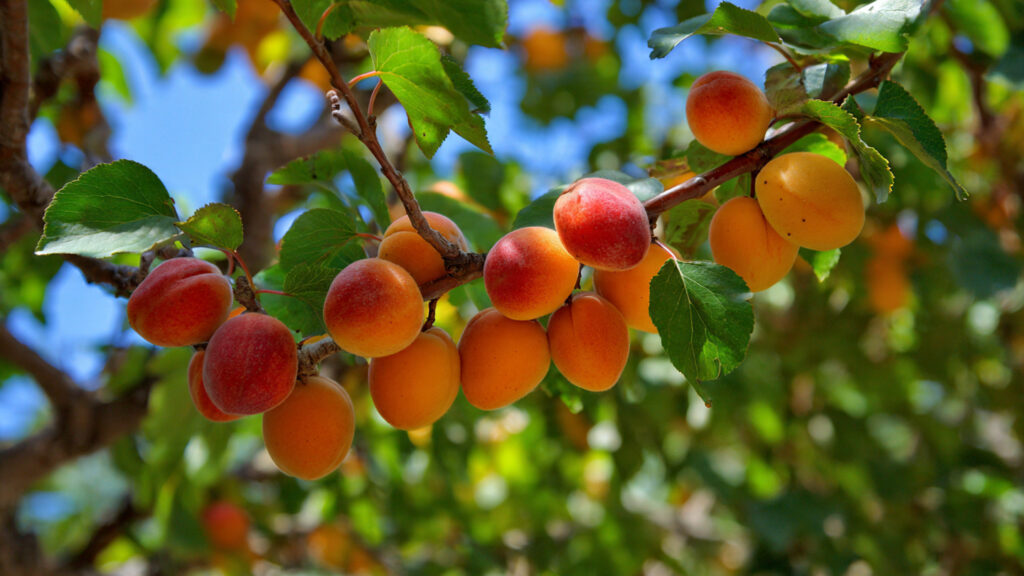
Apricots are often associated with warm Mediterranean climates, delicate blossoms, and orchard landscapes. Many gardeners assume these golden, sweet fruits require a greenhouse or perfectly controlled conditions to thrive. However, with the right approach and by selecting hardy varieties, you can successfully grow apricot trees outdoors in your backyard — even in regions with cooler winters.
This comprehensive guide will walk you through everything you need to know to grow hardy apricot trees naturally, without relying on a greenhouse.
Understanding Hardy Apricot Trees
Apricot trees belong to the species Prunus armeniaca and are closely related to peaches, plums, and cherries. Traditional apricot varieties bloom early, making them vulnerable to late spring frosts. However, hardy cultivars have been developed to tolerate colder climates and fluctuating temperatures.
Some well-known hardy apricot varieties include:
- Moorpark Apricot – A classic variety known for its rich flavor and adaptability.
- Tilton Apricot – Cold-hardy and excellent for fresh eating or preserving.
- Harcot Apricot – Bred specifically for colder climates with late blooming traits.
- Goldcot Apricot – Resistant to common diseases and spring frost damage.
Choosing the right variety is the foundation of success.
Climate and Location: Setting the Stage
Hardy apricot trees can tolerate winter temperatures down to -20°F (-29°C), depending on the variety. However, the real challenge is protecting blossoms from late frosts.
Choose a Frost-Safe Location
Plant your apricot tree in:
- A slightly elevated area (cold air settles in low spots)
- A south-facing slope for warmth
- An area sheltered from strong winds
- A spot with full sun (at least 6–8 hours daily)
Avoid planting near large structures that trap cold air.
Soil Requirements
Apricot trees prefer:
- Well-draining soil
- Slightly acidic to neutral pH (6.0–7.5)
- Sandy loam or loamy soil texture
Heavy clay soil can lead to root rot. If your soil drains poorly, amend it with compost and organic matter before planting.
Planting Your Hardy Apricot Tree
When to Plant
The best time to plant is:
- Early spring (after the last hard frost)
- Or late fall in milder climates
Bare-root trees should be planted while dormant.
How to Plant
- Dig a hole twice as wide as the root ball.
- Loosen the soil at the bottom.
- Place the tree so the graft union sits slightly above soil level.
- Backfill with soil mixed with compost.
- Water thoroughly.
- Apply mulch around the base (but keep it away from the trunk).
Mulching helps regulate soil temperature and retain moisture.
Watering and Fertilizing
Watering
Young apricot trees need consistent moisture during their first two years. Water deeply once per week, especially during dry spells. Mature trees are more drought-tolerant but still benefit from deep watering during fruit development.
Avoid overwatering, as soggy soil encourages fungal diseases.
➡️ How to Grow Malabar Spinach from Cuttings for Fast, Easy Greens
➡️ How to Grow Super Delicious Cabbage at Home Without a Garden
➡️ How to Grow Bean Sprouts at Home in Plastic Bottles Easily (Step‑by‑Step Guide)
➡️ Why is Your Lemon Tree Blooming in the Heart of Winter?
➡️ Why Should Your Garden Have a Dedicated Pollinator Highway?
➡️ Why Do Your Fruit Trees Need a Winter Wash to Thrive in Spring?
➡️ How Can Rice Water Transform Your Fruits into Sweeter Delights?
➡️ Jumpstart Your Winter Garden: Seed Starting Under Lights
Fertilizing
In early spring, apply:
- A balanced organic fertilizer (10-10-10 or similar)
- Or composted manure around the drip line
Avoid high nitrogen fertilizers, which promote leafy growth at the expense of fruit production.
Pruning for Strength and Productivity
Pruning is essential for airflow, sunlight penetration, and fruit yield.
When to Prune
Prune in late winter or early spring while the tree is dormant.
How to Prune
Use the open-center (vase) shape:
- Remove central leader
- Select 3–4 strong scaffold branches
- Eliminate crossing or inward-growing branches
- Remove dead or diseased wood
Regular pruning encourages stronger branches and reduces disease risk.
Protecting Blossoms from Late Frost
Even hardy varieties can suffer blossom damage from unexpected frost. Fortunately, you can protect your tree without a greenhouse.
Simple Frost Protection Methods
- Cover the tree overnight with frost cloth or old bedsheets.
- Use mulch to stabilize root temperatures.
- Water the soil before a frost (moist soil retains heat better).
- Install outdoor lights under the canopy for mild heat during cold nights.
These small efforts can save your harvest.
Pollination and Fruit Set
Many apricot trees are self-pollinating, but having more than one tree can increase fruit yield.
Bees play a crucial role in pollination. Encourage pollinators by planting flowering plants nearby and avoiding pesticide use during bloom.
Pest and Disease Management
Hardy apricot trees are still susceptible to certain pests and diseases.
Common Pests
- Aphids
- Spider mites
- Fruit borers
Use neem oil or insecticidal soap as natural control options.
Common Diseases
- Brown rot
- Bacterial canker
- Leaf curl
Prevent issues by:
- Ensuring good air circulation
- Pruning regularly
- Avoiding overhead watering
- Removing fallen fruit and leaves promptly
Disease prevention is much easier than treatment.
Harvesting Your Apricots
Apricots typically bear fruit 2–4 years after planting.
Signs of ripeness include:
- Golden-orange color
- Slight softness when gently pressed
- Sweet fragrance
Apricots ripen quickly and should be picked when fully colored but still firm.
Fresh apricots can be:
- Eaten raw
- Dried
- Made into jams
- Frozen for later use
Winter Care Without a Greenhouse
Hardy apricot trees do not require greenhouse protection, but winter care is still important.
Winter Protection Tips
- Apply a thick layer of mulch in late fall.
- Wrap the trunk with tree guards to prevent rodent damage.
- Whitewash trunks to prevent sunscald in fluctuating winter temperatures.
Avoid fertilizing late in the season, as this encourages tender growth susceptible to frost damage.
Growing Apricots in Small Backyards
Even if you have limited space, you can grow apricots successfully.
Consider:
- Dwarf varieties
- Espalier training against a sunny wall
- Pruning annually to maintain compact size
Espalier not only saves space but also increases sun exposure and airflow.
Long-Term Maintenance and Productivity
A healthy apricot tree can produce fruit for 20–25 years with proper care.
Annual tasks include:
- Spring fertilizing
- Summer watering
- Late winter pruning
- Fall cleanup
- Monitoring for pests
Consistency is key to long-term success.
Final Thoughts
Growing hardy apricot trees in your backyard without a greenhouse is entirely achievable. By selecting cold-tolerant varieties, planting in the right location, protecting blossoms from frost, and maintaining consistent care, you can enjoy sweet, sun-ripened apricots straight from your garden.
Apricot trees reward patience and attention with fragrant blossoms in spring and golden fruit in summer. With thoughtful planning and simple seasonal maintenance, your backyard can become a thriving apricot orchard — no greenhouse required.
Whether you are a beginner gardener or an experienced fruit grower, hardy apricots offer a satisfying and delicious addition to your landscape.