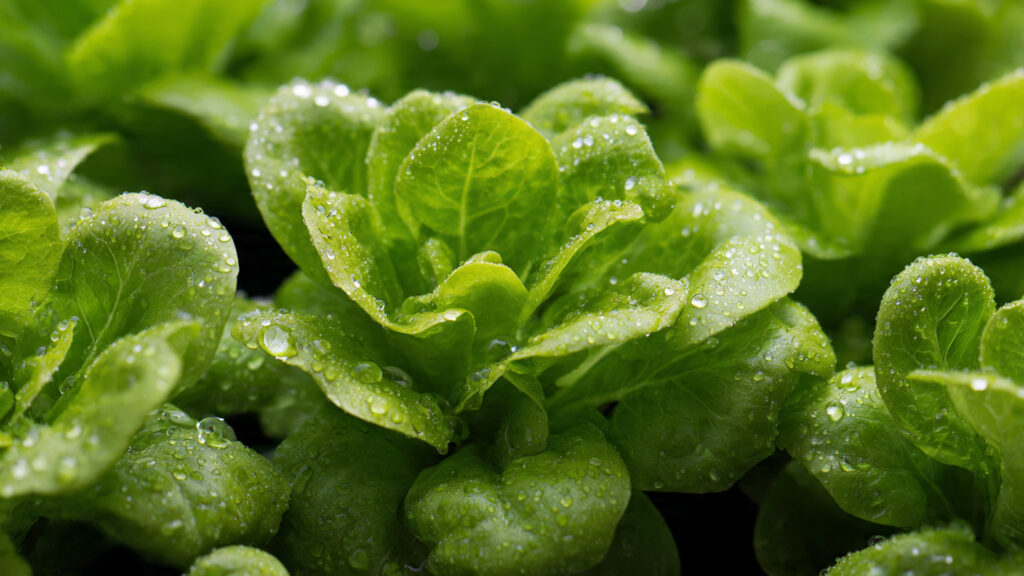
There’s something deeply satisfying about stepping into your garden, snipping a handful of tender baby lettuce leaves, and tossing them straight into a fresh salad. Baby lettuce is one of the easiest, fastest, and most rewarding crops you can grow at home. Whether you have a spacious backyard, a small balcony, or just a sunny windowsill, you can cultivate crisp, vibrant greens with minimal effort.
This easy guide will walk you through everything you need to know about growing luscious baby lettuce leaves in your home garden—from selecting varieties to harvesting at the perfect time.
Why Grow Baby Lettuce at Home?
Baby lettuce is harvested when the leaves are young, tender, and full of flavor. Compared to mature lettuce heads, baby leaves:
- Grow faster (often ready in 20–30 days)
- Require less space
- Offer a sweeter, more delicate taste
- Can be harvested multiple times
Growing your own lettuce also ensures you avoid chemical residues and enjoy maximum freshness. Store-bought greens often lose flavor and nutrients during transportation. Homegrown lettuce goes from soil to plate in minutes.
Choosing the Right Lettuce Varieties
Lettuce comes in many shapes, colors, and textures. For baby leaves, almost any variety works well. Some popular types include:
1. Looseleaf Lettuce
Looseleaf varieties are ideal for beginners. They grow quickly and don’t form tight heads. You can harvest outer leaves continuously.
Popular options:
- Green leaf lettuce
- Red leaf lettuce
- Oakleaf lettuce
2. Romaine Lettuce
Romaine produces elongated leaves with a crisp texture. When harvested young, the leaves are tender and slightly sweet.
3. Butterhead Lettuce
Known for its soft, buttery texture, butterhead varieties are perfect for delicate salads.
For visual appeal, consider planting a mix of green and red varieties to create a colorful harvest.
When to Plant Baby Lettuce
Lettuce thrives in cool weather. The ideal temperature range is between 10°C and 22°C. If temperatures rise too high, lettuce may bolt (produce flowers), which makes the leaves bitter.
In most regions:
- Plant in early spring
- Grow again in autumn
- In mild climates, grow throughout winter
If you live in a warmer area, provide partial shade during hot afternoons to prevent stress.
Preparing the Soil
Healthy soil is key to lush, flavorful baby lettuce. Lettuce prefers:
- Well-draining soil
- Rich organic matter
- Slightly acidic to neutral pH (6.0–7.0)
Before planting:
➡️ How to Grow Malabar Spinach from Cuttings for Fast, Easy Greens
➡️ How to Grow Super Delicious Cabbage at Home Without a Garden
➡️ How to Grow Bean Sprouts at Home in Plastic Bottles Easily (Step‑by‑Step Guide)
➡️ Why is Your Lemon Tree Blooming in the Heart of Winter?
➡️ Why Should Your Garden Have a Dedicated Pollinator Highway?
➡️ Why Do Your Fruit Trees Need a Winter Wash to Thrive in Spring?
➡️ How Can Rice Water Transform Your Fruits into Sweeter Delights?
➡️ Jumpstart Your Winter Garden: Seed Starting Under Lights
- Loosen the soil to about 15–20 cm deep.
- Mix in compost or well-rotted manure.
- Remove stones and debris.
If growing in containers, use high-quality potting mix enriched with compost.
Planting Baby Lettuce Seeds
Growing lettuce from seed is simple and cost-effective.
Direct Sowing Method
- Create shallow furrows about 0.5 cm deep.
- Sprinkle seeds thinly along the row.
- Lightly cover with soil.
- Gently water using a fine spray.
Space rows about 15–20 cm apart. Since baby lettuce is harvested early, you can plant seeds closer together than you would for full heads.
Container Growing
Choose a container at least 10–15 cm deep with drainage holes. Fill with potting mix, sow seeds evenly, and lightly cover with soil.
Place containers in a sunny location that receives 4–6 hours of sunlight daily.
Watering for Tender Leaves
Consistent moisture is essential for soft, juicy baby leaves.
- Water lightly but regularly.
- Keep soil moist but not soggy.
- Avoid letting soil dry out completely.
Early morning watering is best. It allows leaves to dry during the day, reducing the risk of fungal diseases.
Feeding Your Lettuce
Lettuce grows quickly and benefits from light feeding.
- Apply compost tea every two weeks.
- Use a diluted liquid organic fertilizer if needed.
- Avoid excessive nitrogen, which can weaken plants.
Healthy soil often provides enough nutrients for a successful baby lettuce crop.
Thinning for Better Growth
If seeds were sown thickly, thin seedlings once they reach 3–4 cm tall. Leave about 5 cm between plants for baby leaf production.
Don’t throw away the thinnings—these tiny greens are delicious in salads.
Managing Sunlight and Shade
Baby lettuce prefers cool conditions and gentle sunlight. Too much intense heat can stress plants and make leaves bitter.
If growing during warmer months:
- Use shade cloth
- Plant near taller crops for natural shading
- Water more frequently during hot spells
In cooler months, full sun exposure encourages strong growth.
Preventing Common Problems
Lettuce is generally easy to grow, but watch for these issues:
1. Pests
Common pests include aphids and slugs. Control them by:
- Handpicking slugs
- Using neem oil spray for aphids
- Encouraging beneficial insects
2. Bolting
Hot weather or water stress can cause bolting. To prevent it:
- Maintain consistent watering
- Provide shade during heat
- Harvest early
3. Fungal Diseases
Overwatering and poor airflow can cause mildew. Ensure proper spacing and avoid wetting leaves unnecessarily.
Harvesting Baby Lettuce Leaves
The most exciting part is harvesting. Baby lettuce is usually ready in 20–30 days after planting.
There are two main harvesting methods:
Cut-and-Come-Again Method
Use scissors to cut leaves about 2–3 cm above the soil. The plants will regrow for multiple harvests.
Selective Picking
Harvest outer leaves individually while allowing the center to continue growing.
For best flavor:
- Harvest in the morning
- Use immediately or refrigerate
- Wash gently and dry before storing
Frequent harvesting actually encourages more growth.
Succession Planting for Continuous Supply
To enjoy baby lettuce all season, practice succession planting.
- Sow new seeds every 2–3 weeks.
- Rotate planting spots.
- Use containers to maximize space.
This ensures a steady harvest rather than a single large crop.
Growing Baby Lettuce Indoors
If you lack outdoor space, baby lettuce grows beautifully indoors.
- Place containers near a bright window.
- Rotate pots for even light exposure.
- Use grow lights if natural light is limited.
Indoor gardening allows year-round fresh greens regardless of weather.
Creative Ways to Use Baby Lettuce
Homegrown baby lettuce isn’t just for salads. Try using it in:
- Sandwiches and wraps
- Fresh spring rolls
- Tacos
- Garnishes for soups
- Smoothies (mild varieties)
The delicate texture makes it versatile in many dishes.
Tips for Extra Lush Growth
- Add a thin mulch layer to retain moisture.
- Avoid overcrowding.
- Keep weeds under control.
- Use fresh seeds for better germination.
- Rotate crops to maintain soil health.
Small consistent care leads to tender, vibrant leaves.
The Joy of Growing Your Own Greens
Growing baby lettuce is one of the simplest ways to begin home gardening. It requires minimal equipment, grows quickly, and delivers immediate rewards. Even children can participate in sowing and harvesting, making it a wonderful family activity.
Within a few weeks, you’ll transform a small patch of soil or a simple container into a thriving mini garden bursting with fresh green leaves.
There’s unmatched satisfaction in knowing that your meals include produce you nurtured yourself. With the right soil, consistent watering, and a little attention, you can enjoy luscious baby lettuce leaves almost year-round.