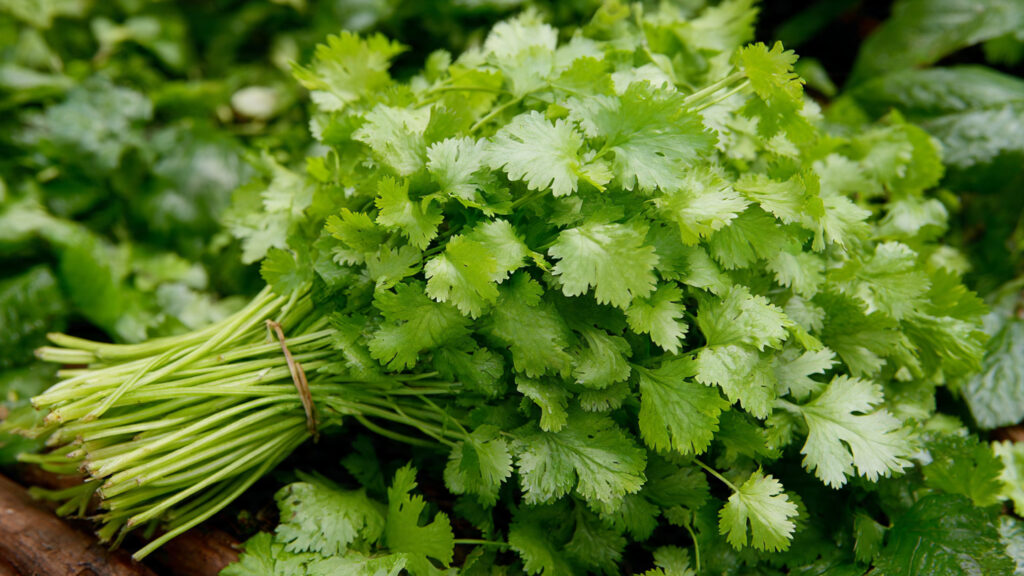
Coriander is one of the most versatile and rewarding herbs you can grow at home. Known scientifically as Coriandrum sativum, this fast-growing plant provides fragrant leaves (commonly called cilantro), flavorful seeds, and even edible roots. Whether you have a spacious backyard garden or a small balcony with a few pots, coriander can thrive with minimal effort and deliver continuous leafy harvests when managed properly.
This complete guide walks you through every step — from choosing seeds to harvesting and using your fresh coriander in the kitchen.
Why Grow Coriander at Home?
Growing coriander at home offers multiple benefits:
- Fresh, chemical-free leaves anytime
- Quick harvest (ready in 3–4 weeks)
- Suitable for containers and small spaces
- Dual-purpose plant (leaves and seeds)
- Excellent companion plant in vegetable gardens
In Indian kitchens especially, fresh coriander leaves are used daily in chutneys, curries, salads, and garnishes. Having a steady supply at home saves money and ensures unmatched flavor.
Understanding Coriander Growth Stages
Coriander is a cool-season annual herb. It grows best in mild temperatures between 15°C and 30°C. The plant has a relatively short lifecycle:
- Germination (7–10 days)
- Leaf growth stage (2–4 weeks)
- Flowering (bolting) stage
- Seed formation
If your goal is abundant leafy harvests, you want to delay flowering as much as possible.
Choosing the Right Seeds
You can grow coriander using:
- Store-bought whole coriander seeds (from the spice section)
- Seeds from a gardening store
- Saved seeds from previous plants
For better germination, lightly crush the round coriander seeds into halves before sowing. Each seed ball actually contains two seeds. Splitting them improves sprouting rates.
Tip: Soak seeds in water for 12–24 hours before planting to speed up germination.
Soil Preparation for Healthy Growth
Coriander prefers well-draining, loose soil rich in organic matter.
Ideal soil mix for containers:
- 40% garden soil
- 30% compost (vermicompost or well-rotted manure)
- 20% cocopeat
- 10% sand (for drainage)
The soil should not retain excessive water. Poor drainage leads to root rot.
If growing directly in the ground:
- Loosen soil up to 6–8 inches deep.
- Mix in compost before sowing.
Coriander grows best in slightly acidic to neutral soil (pH 6.2–7.0).
Sowing Coriander Seeds Correctly
Unlike many herbs, coriander does not transplant well. It is best to sow seeds directly in their final growing spot.
➡️ How to Grow Malabar Spinach from Cuttings for Fast, Easy Greens
➡️ How to Grow Super Delicious Cabbage at Home Without a Garden
➡️ How to Grow Bean Sprouts at Home in Plastic Bottles Easily (Step‑by‑Step Guide)
➡️ Why is Your Lemon Tree Blooming in the Heart of Winter?
➡️ Why Should Your Garden Have a Dedicated Pollinator Highway?
➡️ Why Do Your Fruit Trees Need a Winter Wash to Thrive in Spring?
➡️ How Can Rice Water Transform Your Fruits into Sweeter Delights?
➡️ Jumpstart Your Winter Garden: Seed Starting Under Lights
Steps for sowing:
- Fill your container (at least 6–8 inches deep) with prepared soil.
- Scatter crushed seeds evenly.
- Cover lightly with 0.5–1 cm of soil.
- Water gently using a spray bottle.
Avoid burying seeds too deep, as this delays germination.
Spacing:
- If sowing in rows, maintain 6–8 inches between rows.
- Thin seedlings later to allow 2–3 inches between plants.
Sunlight Requirements
Coriander grows well in:
- 4–6 hours of direct sunlight daily
- Partial shade in hot climates
In cities like Mumbai or other warm regions, intense afternoon heat can cause early bolting (flowering). Providing light shade during peak heat helps extend the leaf production phase.
If growing indoors:
- Place near a bright window.
- Ensure good airflow.
Watering Schedule
Coriander likes consistent moisture but hates soggy soil.
Watering guidelines:
- Keep soil evenly moist during germination.
- Once established, water when the top inch of soil feels dry.
- Avoid waterlogging.
Overwatering causes fungal issues, while underwatering leads to premature flowering.
A light mulch layer (dry leaves or straw) can help retain moisture and regulate soil temperature.
Fertilizing for Lush Leaves
Coriander is not a heavy feeder, but light feeding boosts leafy growth.
Options:
- Apply compost every 2–3 weeks.
- Use diluted liquid organic fertilizer (like seaweed extract).
- Vermicompost works exceptionally well.
Avoid high-nitrogen chemical fertilizers, as they may promote weak, fast growth.
Preventing Early Bolting
Bolting happens when coriander quickly shifts from leaf production to flowering. This usually occurs due to:
- High temperatures
- Inconsistent watering
- Stress conditions
To delay bolting:
- Grow during cooler months.
- Provide partial afternoon shade.
- Harvest leaves regularly.
- Sow seeds every 2–3 weeks (succession planting).
Succession planting ensures continuous harvest throughout the season.
Harvesting Coriander Leaves
You can begin harvesting once plants reach 4–6 inches tall.
Two harvesting methods:
- Cut-and-come-again method
Cut outer leaves about 1 inch above soil level. The plant continues producing new growth. - Whole plant harvest
Pull out entire plants when mature and reseed the area.
Regular harvesting encourages bushier growth and delays flowering.
Fresh coriander leaves are best used immediately, but you can store them:
- Wrapped in a damp cloth inside the refrigerator
- Placed upright in a glass of water
Growing Coriander in Containers
Coriander grows beautifully in:
- Balcony pots
- Grow bags
- Window boxes
- Recycled containers with drainage holes
Container tips:
- Minimum depth: 6 inches
- Wider containers are better than narrow ones
- Ensure proper drainage
Growing in containers allows better control over sunlight and watering — especially helpful in warmer climates.
Companion Planting Benefits
Coriander is a beneficial companion plant. It attracts pollinators and beneficial insects while repelling harmful pests.
It grows well alongside:
- Tomatoes
- Spinach
- Lettuce
- Peppers
Its flowers attract helpful insects that reduce pest problems naturally.
Common Problems and Solutions
1. Yellowing Leaves
Cause:
- Overwatering
- Poor drainage
- Nutrient deficiency
Solution:
- Improve drainage
- Reduce watering
- Add compost
2. Slow Germination
Cause:
- Whole seeds not crushed
- Cold soil
- Old seeds
Solution:
- Crush seeds before sowing
- Pre-soak seeds
- Use fresh seeds
3. Plants Flowering Too Soon
Cause:
- Heat stress
- Irregular watering
Solution:
- Provide shade
- Water consistently
- Grow during cooler season
Allowing Coriander to Produce Seeds
If you want coriander seeds (spice):
- Allow some plants to flower.
- Small white flowers will appear.
- Green seed balls form.
- Let them dry on the plant until brown.
- Harvest and dry further indoors.
Store dried seeds in an airtight container.
These seeds can be used for cooking or replanting.
Growing Coriander Year-Round
In cooler climates:
- Grow in spring and autumn.
In tropical climates:
- Best during winter months.
Indoor growing is possible year-round with proper light and temperature control.
For continuous leafy supply:
- Sow small batches every 15–20 days.
- Rotate containers.
- Keep soil fertile.
From Garden to Table: Using Fresh Coriander
Fresh coriander enhances countless dishes:
- Chutneys
- Garnishes for curries
- Soups and salads
- Fresh juices
- Marinades
The leaves provide bright, citrusy flavor. The seeds offer warm, nutty spice. Even the roots are used in certain cuisines for deeper aroma.
Growing your own ensures maximum freshness and nutritional value.
Final Thoughts
Coriander is one of the easiest herbs to grow, yet many gardeners struggle due to simple mistakes like overwatering or planting in extreme heat. By understanding its growth cycle and providing balanced care, you can enjoy abundant leafy harvests throughout the season.
With proper soil, consistent moisture, and succession planting, your coriander plants will reward you generously — from tender leaves to aromatic seeds.
Whether you’re a beginner or an experienced gardener, adding coriander to your home garden is a simple step toward fresher meals and a more sustainable lifestyle.