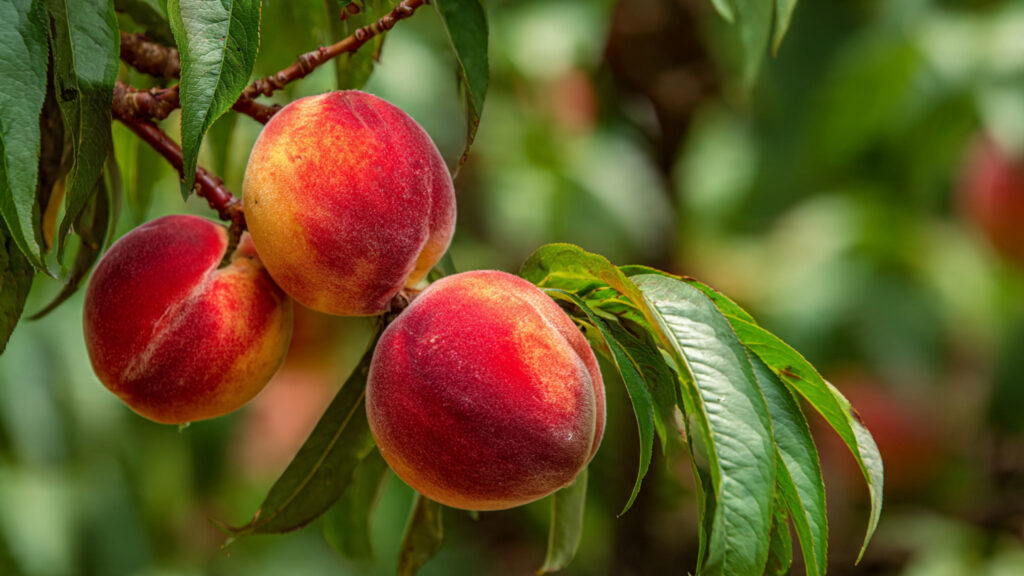
Growing peaches in cold regions may seem challenging, but with the right varieties and proper care, you can successfully cultivate sweet, juicy fruit even in the diverse climates of Canada. Thanks to the development of hardy peach cultivars and improved gardening techniques, homeowners across colder provinces are now harvesting delicious peaches from their own backyards.
This comprehensive guide will walk you through everything you need to know about growing hardy peaches year-round in Canadian climates—from selecting the right varieties to winter protection and seasonal maintenance.
Understanding Canadian Climate Challenges
Canada’s climate varies widely, but many regions experience:
- Long, cold winters
- Late spring frosts
- Short growing seasons
- Sudden temperature fluctuations
Peach trees are traditionally associated with warm regions, but modern cold-hardy varieties can tolerate temperatures as low as -25°C to -30°C when properly established. Success depends on careful planning, proper site selection, and consistent care.
Choosing the Right Hardy Peach Varieties
Selecting the correct variety is the most important step. Not all peaches can survive Canadian winters.
Look for cultivars specifically bred for cold tolerance. Popular hardy varieties include:
1. Reliance
One of the most cold-hardy peach varieties available. It produces medium-sized, sweet fruit and can tolerate extremely low winter temperatures.
2. Harrow Diamond
Developed for colder climates, this early-ripening peach performs well in short growing seasons.
3. Contender
Known for frost-resistant buds, making it ideal for areas prone to late spring frosts.
4. Redhaven
A reliable classic with good cold tolerance and consistent fruit production.
When purchasing trees, always buy from reputable nurseries that specialize in cold-climate fruit trees.
Selecting the Best Planting Location
Peach trees need maximum sunlight and protection from harsh winter winds.
Sunlight Requirements
- At least 6–8 hours of full sun daily
- Southern-facing exposure preferred
- Avoid shaded areas near buildings or tall trees
Wind Protection
Cold winter winds can damage bark and buds. Plant near:
- A fence
- A windbreak of evergreen trees
- The south side of a building
However, avoid low-lying areas where cold air settles, as frost pockets can damage blossoms.
Soil Preparation for Healthy Growth
Peach trees thrive in:
➡️ How to Grow Malabar Spinach from Cuttings for Fast, Easy Greens
➡️ How to Grow Super Delicious Cabbage at Home Without a Garden
➡️ How to Grow Bean Sprouts at Home in Plastic Bottles Easily (Step‑by‑Step Guide)
➡️ Why is Your Lemon Tree Blooming in the Heart of Winter?
➡️ Why Should Your Garden Have a Dedicated Pollinator Highway?
➡️ Why Do Your Fruit Trees Need a Winter Wash to Thrive in Spring?
➡️ How Can Rice Water Transform Your Fruits into Sweeter Delights?
➡️ Jumpstart Your Winter Garden: Seed Starting Under Lights
- Well-draining soil
- Slightly acidic to neutral pH (6.0–7.0)
- Loose, sandy loam texture
Avoid heavy clay soil, which retains water and increases the risk of root rot—especially during snowmelt.
Before planting:
- Test soil pH.
- Add compost to improve drainage and fertility.
- Ensure water does not pool in the planting area.
Proper soil preparation gives your tree a strong foundation for surviving winter stress.
When and How to Plant
In most Canadian regions, early spring is the best time to plant peach trees, once the soil is workable but before active growth begins.
Planting Steps:
- Dig a hole twice as wide as the root ball.
- Keep the graft union slightly above soil level.
- Backfill with native soil mixed with compost.
- Water thoroughly.
- Apply mulch around the base (but not touching the trunk).
Mulching helps regulate soil temperature and retain moisture, both crucial in fluctuating climates.
Watering and Feeding Schedule
Watering
Newly planted trees require consistent moisture during their first growing season.
- Water deeply once a week.
- Increase frequency during dry spells.
- Avoid overwatering, especially in poorly drained soil.
Established trees are moderately drought-tolerant but benefit from regular watering during fruit development.
Fertilizing
Peach trees are moderate feeders.
- Apply balanced fertilizer in early spring.
- Avoid excessive nitrogen, which promotes leaf growth over fruit production.
- Stop fertilizing by mid-summer to allow the tree to prepare for dormancy.
Proper nutrition strengthens the tree for winter survival.
Pruning for Strength and Productivity
Pruning is essential for hardy peaches, especially in colder regions.
Why Prune?
- Improves air circulation
- Encourages strong branch structure
- Increases fruit production
- Reduces disease risk
When to Prune
Prune in late winter or very early spring before buds swell. Avoid fall pruning, as it can stimulate new growth vulnerable to frost.
Open-Center Shape
Peach trees benefit from an “open vase” shape:
- Remove central leader.
- Keep 3–4 main scaffold branches.
- Thin crowded growth annually.
Proper pruning allows sunlight to penetrate the canopy and improves fruit quality.
Protecting Peach Trees in Winter
Winter protection is critical for success in Canadian climates.
Mulching
Apply a thick layer (5–10 cm) of mulch around the root zone in late fall. This:
- Insulates roots
- Reduces freeze-thaw cycles
- Conserves soil moisture
Trunk Protection
Wrap young tree trunks with tree guards or burlap to prevent:
- Sunscald
- Rodent damage
- Bark splitting
Snow as Insulation
Snow actually helps protect roots by acting as natural insulation. Avoid removing snow from around the base unless it becomes compacted ice.
Managing Spring Frost Risks
Late spring frost is one of the biggest threats to peach blossoms.
Preventive Measures
- Plant frost-resistant varieties.
- Avoid low frost-prone areas.
- Cover small trees with frost blankets during predicted cold nights.
Some gardeners use water spraying methods or outdoor lights to raise temperature slightly, but covering trees is usually the most practical solution for home growers.
Pollination and Fruit Set
Most peach varieties are self-pollinating, meaning you only need one tree to produce fruit.
However, pollination depends on:
- Healthy blooms
- Active pollinators
- Mild spring weather
Encourage pollinators by planting companion flowers nearby and avoiding pesticide use during bloom.
Thinning for Bigger, Better Fruit
Peach trees often produce more fruit than they can support.
Thin fruit when they are about the size of a marble:
- Leave 6–8 inches between fruits.
- Remove smaller or damaged peaches.
Thinning improves fruit size, sweetness, and reduces branch breakage.
Common Problems in Canadian Climates
1. Winter Kill
Severe cold can damage flower buds. Choose hardy varieties and provide winter insulation.
2. Peach Leaf Curl
A fungal disease common in cool, wet springs.
Prevention:
- Apply dormant fungicide spray in late fall or early spring.
- Improve air circulation with pruning.
3. Brown Rot
A fungal issue during humid summers.
Solution:
- Remove infected fruit immediately.
- Maintain proper spacing and airflow.
Early monitoring helps prevent small issues from becoming major problems.
Growing Peaches in Containers (Cold Regions Option)
If you live in extremely cold areas, consider growing dwarf peach trees in large containers.
Advantages:
- Move trees into a garage or sheltered area in winter.
- Control soil conditions more easily.
- Protect blossoms from spring frost.
Ensure containers are large enough (minimum 15–20 gallons) and provide proper drainage.
Year-Round Care Calendar
Spring
- Prune before bud break.
- Fertilize lightly.
- Monitor for frost.
- Thin fruit.
Summer
- Water consistently.
- Monitor pests and disease.
- Harvest ripe peaches.
Fall
- Remove fallen leaves and fruit.
- Apply mulch.
- Prepare winter protection.
Winter
- Protect trunk and roots.
- Avoid pruning.
- Inspect for rodent damage.
Following a seasonal routine ensures your tree remains healthy and productive year after year.
Harvesting and Enjoying Your Peaches
Peaches are ready to harvest when:
- They develop full color.
- They slightly soften when gently squeezed.
- They easily detach from the branch.
Freshly picked peaches are sweeter and more flavorful than store-bought varieties because they ripen fully on the tree.
Use them for:
- Fresh eating
- Jams and preserves
- Baking
- Freezing for winter
Growing your own peaches in colder climates makes every harvest especially rewarding.
Final Thoughts
Successfully growing hardy peaches in Canadian climates requires thoughtful planning, proper variety selection, and consistent seasonal care. While cold winters and late frosts present challenges, modern hardy cultivars combined with smart gardening practices make it entirely achievable.
By choosing the right location, preparing soil carefully, protecting trees during winter, and following a structured maintenance routine, you can enjoy homegrown peaches year after year—even in regions once considered unsuitable for peach cultivation.
With patience and dedication, your backyard can become a thriving orchard, producing sweet, sun-ripened fruit despite the northern climate.