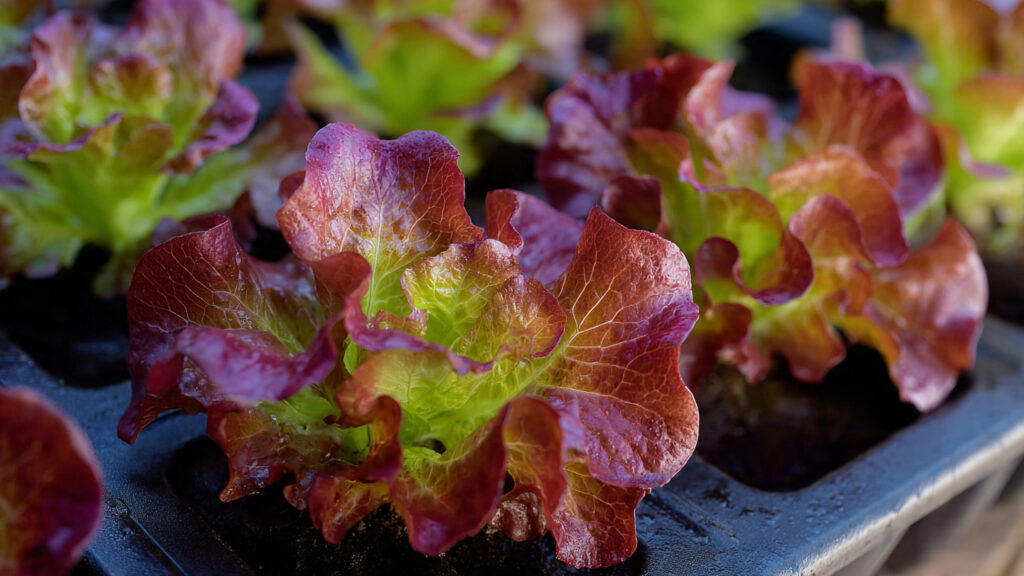
Urban gardening has transformed balconies, rooftops, and small patios into productive green spaces. Among the easiest and most rewarding crops to grow in containers is red leaf lettuce. Its vibrant burgundy leaves, delicate texture, and mild flavor make it a favorite for salads, sandwiches, and garnishes. Best of all, it thrives in pots, making it ideal for city dwellers with limited space.
This ultimate guide will walk you through everything you need to know about successfully growing red leaf lettuce in pots for urban gardens — from choosing the right container to harvesting crisp, flavorful leaves.
Why Choose Red Leaf Lettuce for Urban Gardening?
Red leaf lettuce, scientifically known as Lactuca sativa, is a loose-leaf variety that does not form tight heads like iceberg lettuce. Instead, it grows in open rosettes, allowing gardeners to harvest outer leaves continuously.
Popular varieties include:
- Red Sails Lettuce – Known for heat tolerance and slow bolting.
- Ruby Leaf Lettuce – Deep red color and tender texture.
- Lollo Rossa – Frilly leaves with intense color and mild taste.
These varieties adapt well to containers and small urban spaces.
Benefits of Growing Red Leaf Lettuce in Pots
Growing red leaf lettuce in pots offers several advantages:
- Requires minimal space
- Grows quickly (harvest in 30–45 days)
- Suitable for balconies and windowsills
- Easy to manage soil quality
- Fewer pest issues compared to ground planting
- Allows year-round growing in mild climates
For urban gardeners, this leafy green is one of the most practical and productive crops.
Choosing the Right Container
The success of container gardening begins with selecting the proper pot.
Size Matters
Red leaf lettuce has shallow roots, so you don’t need very deep containers. Choose pots that are:
- At least 6–8 inches deep
- Wide enough to space plants 6–8 inches apart
- Equipped with drainage holes
Shallow rectangular planters work especially well for balcony setups.
Material Options
- Plastic pots retain moisture longer.
- Terracotta pots provide better airflow but dry faster.
- Fabric grow bags are lightweight and promote healthy root systems.
Whatever you choose, ensure proper drainage to prevent root rot.
Selecting the Ideal Potting Mix
Urban soil may not be suitable for container gardening. Instead, use a high-quality potting mix that is:
- Lightweight
- Well-draining
- Rich in organic matter
A good mix can include:
- 60% organic potting soil
- 20% compost
- 20% cocopeat or perlite
Avoid heavy garden soil, which can compact in pots and limit root growth.
Sunlight Requirements
Red leaf lettuce thrives in moderate sunlight.
➡️ How to Grow Malabar Spinach from Cuttings for Fast, Easy Greens
➡️ How to Grow Super Delicious Cabbage at Home Without a Garden
➡️ How to Grow Bean Sprouts at Home in Plastic Bottles Easily (Step‑by‑Step Guide)
➡️ Why is Your Lemon Tree Blooming in the Heart of Winter?
➡️ Why Should Your Garden Have a Dedicated Pollinator Highway?
➡️ Why Do Your Fruit Trees Need a Winter Wash to Thrive in Spring?
➡️ How Can Rice Water Transform Your Fruits into Sweeter Delights?
➡️ Jumpstart Your Winter Garden: Seed Starting Under Lights
- Provide 4–6 hours of direct sunlight daily.
- In very hot climates, offer partial shade during afternoon hours.
- Balcony railings or shaded rooftops work well.
Too much intense heat can cause bolting (premature flowering), which makes leaves bitter.
Planting Red Leaf Lettuce in Pots
Step 1: Sowing Seeds
You can grow lettuce from seeds or seedlings. Seeds are inexpensive and easy to germinate.
- Scatter seeds thinly on moist soil.
- Cover lightly with a thin layer of soil (about ¼ inch).
- Water gently to avoid displacing seeds.
Seeds typically germinate within 5–10 days.
Step 2: Thinning Seedlings
Once seedlings reach 2–3 inches tall:
- Thin them to 6–8 inches apart.
- Remove weaker seedlings to prevent overcrowding.
Proper spacing ensures better airflow and leaf development.
Step 3: Watering Correctly
Lettuce needs consistent moisture but dislikes soggy soil.
- Water when the top inch of soil feels dry.
- Water deeply but allow excess water to drain.
- Avoid letting soil completely dry out.
Urban balconies can dry out quickly, so check moisture daily during warm weather.
Feeding for Healthy Growth
Red leaf lettuce is a light feeder but benefits from occasional nourishment.
Every 2–3 weeks, apply:
- Diluted compost tea
- Liquid seaweed fertilizer
- Balanced organic liquid fertilizer
Avoid heavy nitrogen fertilizers, which may promote rapid but weak growth.
Managing Temperature in Urban Environments
Urban areas can experience higher temperatures due to concrete and limited airflow.
Ideal temperature range: 15°C–24°C (59°F–75°F)
If temperatures rise:
- Move pots to partial shade.
- Use shade cloth during peak heat.
- Water early in the morning.
In cooler climates, lettuce can tolerate light frost, making it suitable for early spring and fall planting.
Preventing Bolting
Bolting occurs when lettuce sends up a flower stalk due to stress, usually heat.
To prevent bolting:
- Choose heat-tolerant varieties like Red Sails.
- Provide afternoon shade in hot weather.
- Keep soil consistently moist.
- Harvest leaves regularly.
Frequent harvesting encourages continued leaf production.
Harvesting Red Leaf Lettuce
One of the greatest advantages of loose-leaf lettuce is the “cut-and-come-again” method.
How to Harvest
- Snip outer leaves with scissors.
- Leave the central growing point intact.
- Harvest when leaves reach 4–6 inches long.
This method allows multiple harvests from the same plant over several weeks.
If you prefer a full harvest, cut the entire plant about 1 inch above soil level. It may regrow for a second harvest.
Pest Management in Urban Gardens
Even in cities, pests can appear.
Common pests include:
- Aphids
- Slugs
- Leaf miners
Control methods:
- Spray plants with water to remove aphids.
- Use neem oil spray if infestation occurs.
- Check leaves regularly for damage.
- Remove affected leaves promptly.
Container gardening makes pest control easier compared to large garden beds.
Companion Planting in Pots
You can grow red leaf lettuce alongside other container-friendly plants.
Good companions include:
- Radishes
- Green onions
- Spinach
- Herbs like basil and parsley
Companion planting maximizes limited urban space and promotes healthier growth.
Growing Indoors Near Windows
If balcony space is limited, red leaf lettuce can thrive indoors near bright windows.
Tips for indoor growing:
- Place near south- or west-facing windows.
- Rotate pots weekly for even growth.
- Use grow lights if natural light is insufficient.
Indoor lettuce often grows more slowly but remains tender and flavorful.
Replanting for Continuous Harvest
To enjoy fresh lettuce all season:
- Sow new seeds every 2–3 weeks.
- Maintain multiple pots at different growth stages.
- Replace older plants once production slows.
This succession planting technique ensures a steady supply.
Common Mistakes to Avoid
Avoid these common urban gardening mistakes:
- Overcrowding plants.
- Using heavy garden soil.
- Allowing soil to dry out completely.
- Ignoring drainage holes.
- Exposing plants to intense afternoon heat.
Small adjustments can dramatically improve results.
Nutritional Benefits of Red Leaf Lettuce
Beyond its beauty, red leaf lettuce is packed with nutrients:
- Rich in vitamins A and K
- Contains antioxidants
- Low in calories
- High in water content
The red pigmentation comes from anthocyanins, which provide antioxidant properties.
Growing your own ensures freshness and maximum nutritional value.
Final Thoughts
Growing red leaf lettuce in pots is one of the simplest and most satisfying urban gardening projects. It requires minimal space, basic tools, and consistent care. With proper sunlight, moisture, and occasional feeding, you can harvest vibrant, crisp leaves right from your balcony or rooftop.
Urban living doesn’t mean giving up fresh produce. In fact, container gardening empowers you to control your food source, reduce grocery bills, and enjoy the calming experience of tending plants.
By following this ultimate guide, you can transform even the smallest space into a productive mini garden — filled with fresh, colorful red leaf lettuce ready to brighten your meals and your home.