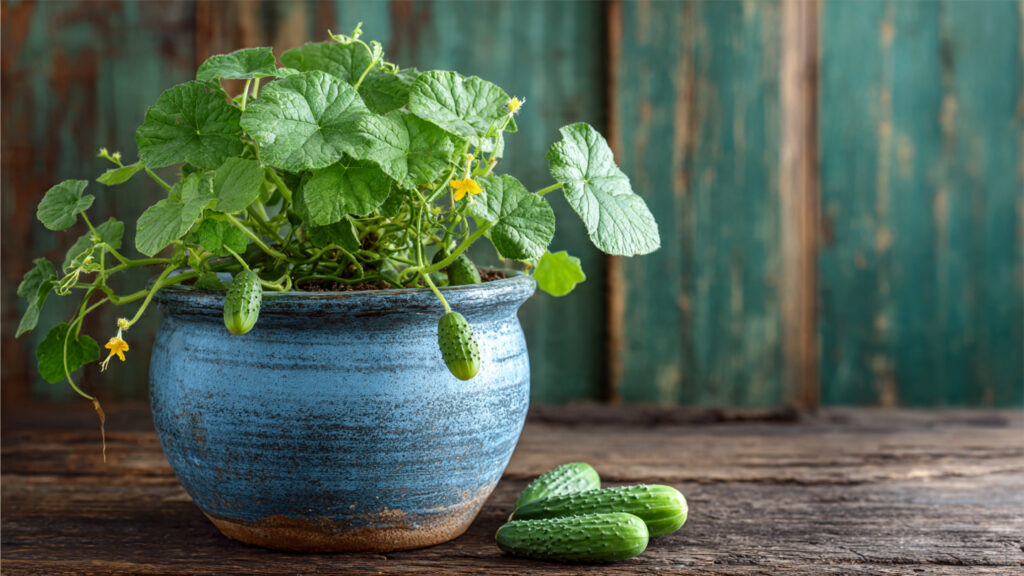
Growing your own pickling cucumbers at home can be both a rewarding and practical gardening venture. Whether you have limited space, live in an apartment, or simply want fresh, crunchy cucumbers at your doorstep, container gardening offers the perfect solution. Pickling cucumbers, which are smaller and have thinner skins than slicing varieties, thrive in pots if given proper care and attention. This article will guide you step by step on how to successfully grow pickling cucumbers in a pot at home, ensuring a bountiful harvest even in limited spaces.
Choosing the Right Pickling Cucumber Variety
The first step to success is selecting a cucumber variety suited for container growth. Not all cucumbers are ideal for pots, so focus on compact, bush-type varieties rather than sprawling vine types. Varieties such as ‘Bush Pickle’, ‘Spacemaster’, or ‘Patio Snacker’ are excellent choices for pots because they stay relatively compact and produce high yields. When purchasing seeds or seedlings, check the packaging for container-friendly or dwarf designations.
Selecting the Perfect Container
Pickling cucumbers require a good amount of root space to thrive. The pot you choose should be at least 12-18 inches deep and 14-20 inches wide. Larger containers provide more soil volume, which retains moisture and nutrients better. Plastic, ceramic, or fabric pots with drainage holes work well. Fabric pots, in particular, encourage air pruning of roots, which prevents the plant from becoming root-bound.
Ensure your pot has sufficient drainage; cucumbers do not tolerate waterlogged soil. A saucer underneath the pot can catch excess water, but standing water should be avoided to prevent root rot.
Using the Right Soil Mix
Cucumber plants are heavy feeders and need nutrient-rich, well-draining soil. A high-quality potting mix blended with compost and perlite or vermiculite creates the ideal environment. Avoid using garden soil alone, as it can compact in a pot and hinder root development. A good ratio is two parts potting soil, one part compost, and one part perlite or coarse sand for drainage.
Cucumbers prefer slightly acidic to neutral soil, with a pH range of 6.0 to 7.0. You can test your potting mix with a soil pH kit and amend it with lime if needed.
Optimal Location and Sunlight
Cucumbers are sun-loving plants and require at least 6-8 hours of direct sunlight daily. Place your pot in a location that receives maximum sun exposure, such as a balcony, patio, or near a south-facing window if growing indoors. If sunlight is insufficient, supplement with grow lights. For indoor setups, fluorescent or LED grow lights should be placed 6-12 inches above the plant for 12-14 hours per day.
Planting Seeds or Seedlings
If starting from seeds, soak them in water for 4-6 hours before planting to encourage faster germination. Plant seeds about ½ inch deep in moist potting mix. Typically, 2-3 seeds per pot are sufficient, and you can thin to the strongest seedling once they develop their first true leaves.
If using seedlings, carefully transplant them into the pot without disturbing the roots excessively. Fill the pot with soil first, dig a small hole, place the seedling, and gently firm the soil around it. Water thoroughly after transplanting.
Providing Support for Vining Varieties
Even compact pickling cucumber varieties may produce trailing stems. To maximize space and prevent the fruit from touching the soil, provide vertical support. Trellises, stakes, or cages work well. For bush-type cucumbers, minimal support is needed, but a small trellis can still improve air circulation and fruit quality. Secure the main stem gently with soft plant ties as it grows.
Watering Techniques
Cucumbers require consistent moisture for healthy growth. The soil should remain evenly moist but not soggy. Water deeply whenever the top inch of soil feels dry, typically every 1-2 days in hot weather and less frequently in cooler conditions. Early morning watering is ideal, as it reduces the risk of fungal diseases and ensures water penetrates the soil before the heat of the day.
Mulching around the base of the plant with straw or shredded leaves helps retain soil moisture, suppresses weeds, and keeps the roots cool.
Fertilizing for Maximum Yield
Cucumbers are nutrient-hungry, especially when producing fruit. Use a balanced liquid fertilizer every 2-3 weeks or a slow-release granular fertilizer at planting time. Fertilizers high in potassium and phosphorus promote fruit development, while nitrogen supports leafy growth. Be careful not to over-fertilize with nitrogen, as this may lead to lush foliage but fewer cucumbers.
Organic options like compost tea, fish emulsion, or well-rotted manure also work well for container-grown cucumbers.
Pollination Tips
If you are growing cucumbers indoors or in a greenhouse without access to natural pollinators, you may need to hand-pollinate the flowers. Cucumbers produce male and female flowers; the females have a tiny fruit at the base. Use a small brush or cotton swab to transfer pollen from male flowers to female flowers for successful fruiting.
➡️ How to Grow Malabar Spinach from Cuttings for Fast, Easy Greens
➡️ How to Grow Super Delicious Cabbage at Home Without a Garden
➡️ How to Grow Bean Sprouts at Home in Plastic Bottles Easily (Step‑by‑Step Guide)
➡️ Why is Your Lemon Tree Blooming in the Heart of Winter?
➡️ Why Should Your Garden Have a Dedicated Pollinator Highway?
➡️ Why Do Your Fruit Trees Need a Winter Wash to Thrive in Spring?
➡️ How Can Rice Water Transform Your Fruits into Sweeter Delights?
➡️ Jumpstart Your Winter Garden: Seed Starting Under Lights
Pruning and Maintenance
Regular pruning improves air circulation, reduces disease risk, and encourages the plant to focus energy on fruit production. Remove any yellowing or damaged leaves, and pinch off excessive lateral shoots if the plant becomes crowded. Monitoring for pests such as aphids, spider mites, and cucumber beetles is crucial. Treat infestations early using organic insecticidal soap or neem oil.
Harvesting Your Pickling Cucumbers
Pickling cucumbers are best harvested when they are small and firm, usually 3-5 inches in length depending on the variety. Regular harvesting encourages continuous production and prevents cucumbers from becoming overripe, which can lead to bitter flavors. Use a sharp knife or scissors to cut the fruit from the vine rather than pulling it, which may damage the plant.
Harvesting every 2-3 days ensures a steady supply and keeps the plant healthy. Store harvested cucumbers in a cool, dry place or refrigerate them for extended freshness.
Common Problems and Solutions
Even in pots, cucumbers can face challenges. Here are some common issues and solutions:
- Yellowing Leaves: Often caused by nutrient deficiency or overwatering. Adjust watering habits and fertilize appropriately.
- Powdery Mildew: A fungal disease that appears as a white powder on leaves. Improve air circulation, avoid overhead watering, and use fungicidal sprays if needed.
- Bitter Fruit: Usually a result of irregular watering or excessive heat. Keep soil consistently moist and provide some shade during peak afternoon sun.
Benefits of Growing Pickling Cucumbers in Pots
Container gardening for pickling cucumbers offers multiple benefits:
- Space Efficiency: Ideal for small apartments or patios.
- Pest Control: Easier to monitor and manage insects and diseases.
- Mobility: Move pots to optimize sunlight or protect plants from extreme weather.
- Extended Harvest: With proper care, you can enjoy fresh cucumbers throughout the growing season.
Conclusion
Growing pickling cucumbers in a pot at home is a practical and enjoyable way to have fresh, homegrown vegetables without needing a large garden. By selecting the right variety, providing suitable soil and container, ensuring proper watering, sunlight, and fertilization, and monitoring for pests, anyone can achieve a bountiful harvest. With a little patience and care, your container-grown cucumbers will thrive, providing crisp, flavorful cucumbers perfect for pickling or fresh consumption.
By following these steps, you can transform even the smallest balcony or indoor space into a productive cucumber-growing oasis. The satisfaction of harvesting your own cucumbers, combined with the convenience of container gardening, makes this an ideal project for both novice and experienced gardeners.