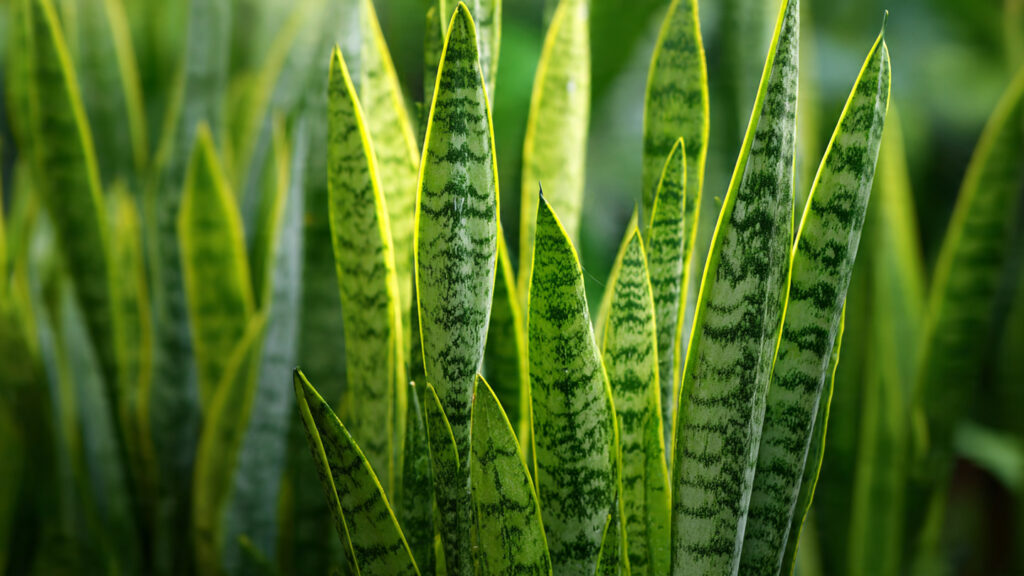
Tall Sansevieria varieties are bold, architectural plants that bring structure and elegance to gardens, patios, and balconies. Commonly known as Snake Plant or Mother-in-Law’s Tongue, these hardy plants are admired for their upright leaves, striking patterns, and remarkable resilience. Botanically classified under Dracaena (formerly grouped under Sansevieria), popular tall varieties such as Dracaena trifasciata can grow impressively when provided with the right outdoor conditions.
While many gardeners keep Snake Plants indoors, tall varieties can thrive outdoors with proper care. If you want your outdoor Sansevieria to grow taller, stronger, and healthier, here are easy and practical tips to ensure success.
Understanding Tall Sansevieria Varieties
Before moving your plant outdoors, it helps to understand what makes tall varieties unique. Cultivars like Sansevieria ‘Laurentii’, Sansevieria ‘Zeylanica’, and Sansevieria ‘Black Coral’ are known for their long, sword-like leaves that can reach heights of 3 to 5 feet under ideal conditions.
These plants store water in their thick leaves and rhizomes, making them drought-tolerant. However, outdoor environments expose them to stronger light, rainfall, temperature changes, and pests — so adjustments are necessary.
1. Choose the Right Outdoor Location
Location is the most important factor when growing tall Sansevieria outdoors.
Provide Bright, Indirect Light
Tall Snake Plants love bright light, but direct afternoon sun can scorch their leaves. The ideal outdoor spot includes:
- Morning sun and afternoon shade
- Filtered sunlight under a tree
- A covered patio or balcony
Too much direct sun causes leaf bleaching or burns, while deep shade slows growth and reduces height potential.
Protect from Heavy Rain
Although drought-tolerant, Sansevieria roots are highly sensitive to waterlogging. Place pots in areas where excess rainwater can drain quickly.
2. Use Well-Draining Soil
Outdoor success depends heavily on soil structure. Snake Plants dislike soggy roots, which can quickly lead to rot.
Ideal Soil Mix
Use a cactus or succulent mix, or create your own by combining:
- 1 part garden soil
- 1 part coarse sand
- 1 part perlite or pumice
This ensures quick drainage and prevents water retention after rain.
If planting directly in the ground, amend heavy soil with sand and compost to improve aeration.
3. Select the Right Container
Tall varieties can become top-heavy as they grow, so container choice matters.
Best Pot Types:
- Terracotta or clay pots (allow moisture evaporation)
- Containers with multiple drainage holes
- Wide and sturdy bases to prevent tipping
Avoid oversized pots. A slightly snug root environment encourages upward leaf growth rather than excessive root spread.
4. Water Carefully — Less is More
Outdoor conditions may tempt you to water frequently, but Sansevieria prefers a dry cycle.
➡️ How to Grow Malabar Spinach from Cuttings for Fast, Easy Greens
➡️ How to Grow Super Delicious Cabbage at Home Without a Garden
➡️ How to Grow Bean Sprouts at Home in Plastic Bottles Easily (Step‑by‑Step Guide)
➡️ Why is Your Lemon Tree Blooming in the Heart of Winter?
➡️ Why Should Your Garden Have a Dedicated Pollinator Highway?
➡️ Why Do Your Fruit Trees Need a Winter Wash to Thrive in Spring?
➡️ How Can Rice Water Transform Your Fruits into Sweeter Delights?
➡️ Jumpstart Your Winter Garden: Seed Starting Under Lights
Watering Guidelines:
- Allow soil to dry completely between waterings
- Water deeply but infrequently
- Reduce watering during cooler months
In rainy climates, check soil moisture before adding water. Overwatering is the number one reason outdoor Snake Plants fail.
5. Encourage Vertical Growth with Proper Feeding
Although Snake Plants are light feeders, occasional fertilization boosts leaf height and strength.
Fertilizer Tips:
- Use a diluted balanced fertilizer (10-10-10)
- Feed once every 6–8 weeks during spring and summer
- Avoid fertilizing in winter
Too much fertilizer causes weak, floppy leaves. Moderation is key.
6. Maintain Warm Temperatures
Sansevieria thrives in warmth and struggles in cold.
Ideal Temperature Range:
- 18°C to 35°C (65°F to 95°F)
Temperatures below 10°C (50°F) can damage leaves and roots. If you live in a cooler region, bring plants indoors during winter or cover them during cold nights.
Outdoor thriving depends largely on warmth and stable conditions.
7. Control Pests Naturally
Outdoor environments introduce pests such as:
- Mealybugs
- Spider mites
- Scale insects
Inspect leaves regularly, especially near the base.
Natural Solutions:
- Neem oil spray
- Mild soap-water solution
- Removing pests manually with cotton swabs
Healthy, well-drained plants are far less susceptible to infestations.
8. Promote Strong Root Systems
Tall leaves require strong roots. Encourage root development by:
- Avoiding frequent repotting
- Keeping soil slightly compact but well-drained
- Dividing overcrowded clumps every 2–3 years
Division not only prevents overcrowding but also stimulates fresh growth.
9. Prune Damaged Leaves Properly
Outdoor exposure may occasionally cause leaf damage from wind or sunburn.
Pruning Tips:
- Cut damaged leaves at the base
- Use clean, sharp scissors
- Avoid trimming healthy leaf tips unnecessarily
Removing damaged foliage helps redirect energy into new vertical growth.
10. Gradually Acclimate Indoor Plants
If transitioning a Snake Plant from indoors to outdoors, avoid sudden exposure.
Acclimation Steps:
- Place in shade for one week
- Introduce mild morning sun gradually
- Monitor leaf reaction
Sudden sun exposure can shock the plant and cause leaf scarring.
11. Encourage Taller Growth Through Stress Balance
Interestingly, mild stress can encourage stronger growth.
- Slightly snug roots
- Controlled watering
- Bright filtered light
When conditions are balanced — not overly pampered — tall Sansevieria varieties often grow more upright and firm.
12. Watch for Signs of Trouble
Understanding warning signals ensures quick correction.
Yellow Leaves:
Usually caused by overwatering.
Soft or Mushy Base:
Indicates root rot.
Pale or Faded Leaves:
Too much direct sun.
Slow Growth:
Insufficient light or nutrients.
Early detection prevents long-term damage.
13. Companion Planting Ideas
Tall Sansevieria looks stunning when paired with:
- Succulents
- Agave
- Ornamental grasses
- Minimalist stone landscapes
Its vertical structure adds contrast and drama to outdoor arrangements.
14. Benefits of Growing Sansevieria Outdoors
Growing tall Snake Plants outside offers several advantages:
- Faster growth compared to indoor conditions
- Stronger leaf structure
- Enhanced color contrast
- Natural rainwater cleansing
Outdoor air circulation also reduces the risk of indoor fungal problems.
15. Long-Term Care and Maintenance
Sansevieria is a slow grower, so patience is essential. With proper care:
- Leaves grow thicker and taller
- Plants produce new pups from rhizomes
- Clumps become fuller and more dramatic
Repot only when roots fill the container completely.
Consistency is more important than frequent intervention.
Final Thoughts
Encouraging tall Sansevieria varieties to thrive outdoors is surprisingly simple when you respect their natural preferences. These resilient plants flourish in bright indirect light, well-draining soil, warm temperatures, and minimal watering.
By choosing the right location, preventing overwatering, feeding moderately, and protecting against extreme conditions, you can enjoy towering, upright Snake Plants that add architectural beauty to any outdoor space.