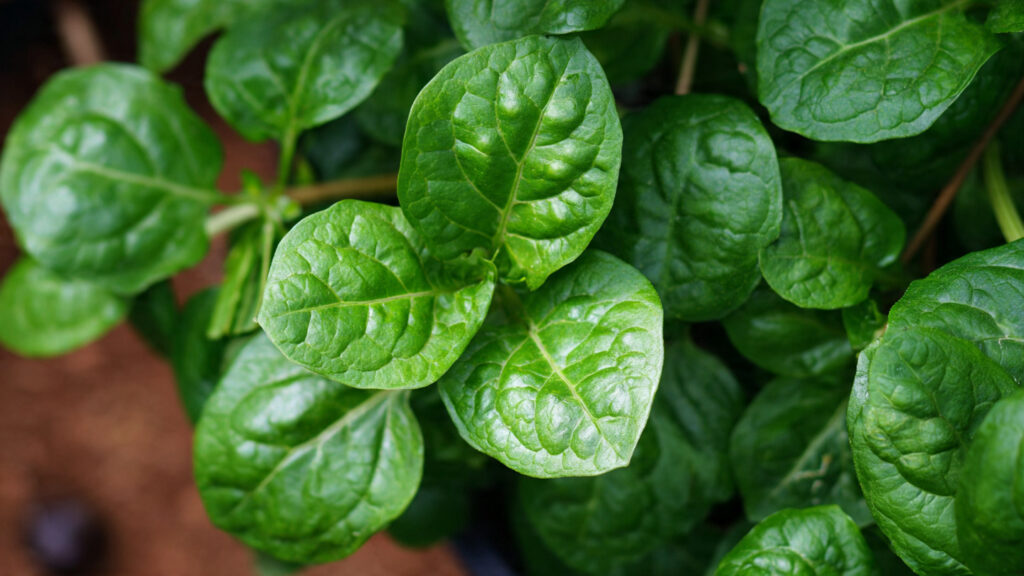
Malabar spinach, also known as Basella alba or Basella rubra, is a tropical leafy green beloved for its tender, succulent leaves and high nutritional content. Unlike traditional spinach, Malabar spinach thrives in hot and humid climates, making it an ideal choice for gardeners in tropical or subtropical regions. Its climbing habit is one of its most distinctive features, often requiring trellises, fences, or other support structures. But what if you don’t have a climber or space for vertical growth? Can Malabar spinach be grown successfully without a climber? The answer is yes—and in this guide, we’ll explore how to cultivate it effectively, maximize leaf production, and enjoy a healthy harvest even in limited spaces.
Understanding Malabar Spinach Growth Habit
Malabar spinach is a fast-growing, semi-succulent vine. It can climb vigorously under ideal conditions, producing thick, glossy leaves and reddish stems in some varieties. The plant’s climbing nature allows it to grow vertically, which:
- Saves garden space
- Improves air circulation around the leaves
- Reduces pest problems
- Makes harvesting easier
However, climbing is not mandatory for successful growth. By understanding its growth habits, you can adapt your cultivation techniques for horizontal or bush-style growth.
Choosing the Right Variety
There are two main varieties of Malabar spinach:
- Basella alba (green-stemmed) – Tender, mild-flavored leaves; slower-growing climber; more adaptable to bush growth.
- Basella rubra (red-stemmed) – Vivid red stems; slightly more vigorous climber; produces dense foliage but can become leggy without support.
For growing without a climber, Basella alba is often the preferred choice because it adapts better to bush or ground-cover style growth.
Selecting the Planting Site
Malabar spinach thrives in full sun to partial shade and well-draining soil rich in organic matter. Here are some considerations for growing it without a trellis:
- Soil: Loamy, slightly acidic to neutral soil with pH 6–7 is ideal.
- Sunlight: 4–6 hours of direct sun daily; partial shade works in very hot climates.
- Space: Plant seeds or seedlings 12–18 inches apart. Without vertical growth, giving more horizontal space encourages bushy growth.
Even in confined spaces, such as raised beds or containers, Malabar spinach can spread horizontally to form a dense, leafy mat.
Planting Malabar Spinach Without a Climber
From Seeds
- Soak seeds overnight in water to improve germination.
- Sow seeds ½ inch deep in prepared soil or containers.
- Maintain consistent moisture until germination, which occurs within 7–14 days.
From Cuttings
- Malabar spinach can also be propagated from stem cuttings 6–8 inches long.
- Remove lower leaves and plant cuttings directly in soil.
- Cuttings root quickly and are ideal for rapid establishment.
When planting without a climber, allow space for lateral spread. Multiple plants in staggered rows work best to encourage bushy growth.
Encouraging Bushy Growth Without Vertical Support
When Malabar spinach is left unsupported, it naturally grows in a sprawling habit. To optimize horizontal growth:
- Pinching and Pruning:
- Pinch off the growing tips when plants are about 6–8 inches tall.
- This stimulates branching, resulting in denser foliage.
- Low-Stake Support (Optional):
- Even minimal support, such as short stakes or small cages, can guide growth while keeping the plant primarily horizontal.
- Regular Harvesting:
- Frequent leaf harvesting encourages lateral growth.
- Avoid letting the plant flower too early, as this reduces leaf production.
- Spacing:
- Provide at least 12–18 inches between plants to avoid overcrowding, which may increase fungal problems in dense, ground-level foliage.
Watering and Fertilization
Malabar spinach prefers consistently moist soil but does not tolerate waterlogging.
Watering Tips:
- Water deeply every 2–3 days in hot weather.
- Mulch around the base with straw, dried leaves, or coconut husks to retain moisture and suppress weeds.
Fertilization:
- Mix compost or well-rotted manure into the soil at planting.
- Supplement with a balanced liquid fertilizer every 3–4 weeks to support leaf growth.
- Avoid excessive nitrogen, which can lead to overly soft leaves prone to pests.
Proper watering and nutrition are particularly important when the plant cannot climb, as horizontal growth exposes more foliage to heat stress and sunlight.
Controlling Pests and Diseases
Malabar spinach is relatively pest-resistant, but growing close to the ground without vertical airflow may increase risk of certain problems:
- Aphids and Leaf Miners: Spray with neem oil or insecticidal soap.
- Powdery Mildew: Ensure adequate spacing and avoid wetting foliage when watering.
- Snails and Slugs: Use barriers or traps, as sprawling plants are closer to the soil surface.
Regular monitoring and preventive care help maintain healthy, bush-style plants.
Harvesting Malabar Spinach Without a Climber
Malabar spinach leaves can be harvested once the plant reaches 6–8 inches tall. For sprawling plants:
- Harvest Outer Leaves First: Pick mature outer leaves, leaving the inner growth intact.
- Frequent Harvesting Encouraged: Harvesting every 1–2 weeks promotes continuous leaf production.
- Avoid Flowering: Flowering reduces leaf yield, so pinch off flower buds early for maximum leaf growth.
Without climbing, harvesting is easier at ground level, and leaves remain tender and juicy for salads, soups, and stir-fries.
➡️ How to Grow Malabar Spinach from Cuttings for Fast, Easy Greens
➡️ How to Grow Super Delicious Cabbage at Home Without a Garden
➡️ How to Grow Bean Sprouts at Home in Plastic Bottles Easily (Step‑by‑Step Guide)
➡️ Why is Your Lemon Tree Blooming in the Heart of Winter?
➡️ Why Should Your Garden Have a Dedicated Pollinator Highway?
➡️ Why Do Your Fruit Trees Need a Winter Wash to Thrive in Spring?
➡️ How Can Rice Water Transform Your Fruits into Sweeter Delights?
➡️ Jumpstart Your Winter Garden: Seed Starting Under Lights
Advantages of Growing Malabar Spinach Without a Climber
Growing Malabar spinach horizontally or as a bush has several advantages:
- Space-Saving in Small Gardens:
- Ideal for gardens with no vertical support.
- Ease of Harvesting:
- Leaves are closer to ground level, making them easy to pick.
- Suitable for Containers and Raised Beds:
- Can thrive in limited spaces without trellises.
- Dense Leaf Production:
- Proper pinching and pruning result in bushy plants with abundant leaves.
Although vertical growth increases yield per square foot, horizontal growth remains highly productive with attentive care.
Creative Uses for Bush-Style Malabar Spinach
Even without a trellis, Malabar spinach can enhance your garden aesthetically and culinarily:
- Ground Cover: The sprawling habit forms a natural green mat, suppressing weeds.
- Container Gardening: Perfect for patios and balconies.
- Companion Planting: Can grow alongside tomatoes, peppers, or other vegetables to optimize space.
- Culinary Uses: Leaves can be used in salads, soups, stews, and stir-fried dishes, providing iron, vitamins A and C, and antioxidants.
By growing it horizontally, gardeners can integrate it seamlessly into small garden plots or container arrangements.
Tips for Maximizing Yield Without Vertical Growth
- Pinch Tips Regularly: Promotes branching and bushiness.
- Plant in Rich Soil: Fertile, well-draining soil supports healthy leaf development.
- Provide Adequate Water: Keep soil consistently moist.
- Mulch Around Plants: Conserves moisture and prevents soil-borne diseases.
- Harvest Frequently: Encourages continuous leaf production.
- Remove Flower Buds Early: Prioritizes vegetative growth over reproduction.
With these practices, you can achieve a lush, productive Malabar spinach patch without ever needing a climber.
Conclusion
Yes, you can grow Malabar spinach without a climber. While its natural habit is climbing, proper pruning, spacing, and care allow it to flourish as a bush or sprawling ground cover. By selecting suitable varieties, providing rich soil, regular watering, and frequent harvesting, you can enjoy an abundant supply of tender, nutritious leaves even in small gardens or containers.
Growing Malabar spinach horizontally offers several benefits, including easier harvesting, flexibility in small spaces, and a dense green mat that suppresses weeds. With patience and consistent care, your bush-style Malabar spinach can become a reliable, visually appealing, and highly productive part of your home garden.
Whether you have limited space, no trellis, or prefer low-maintenance gardening, Malabar spinach is an ideal crop that proves you don’t need a climber to enjoy its lush, vibrant leaves.