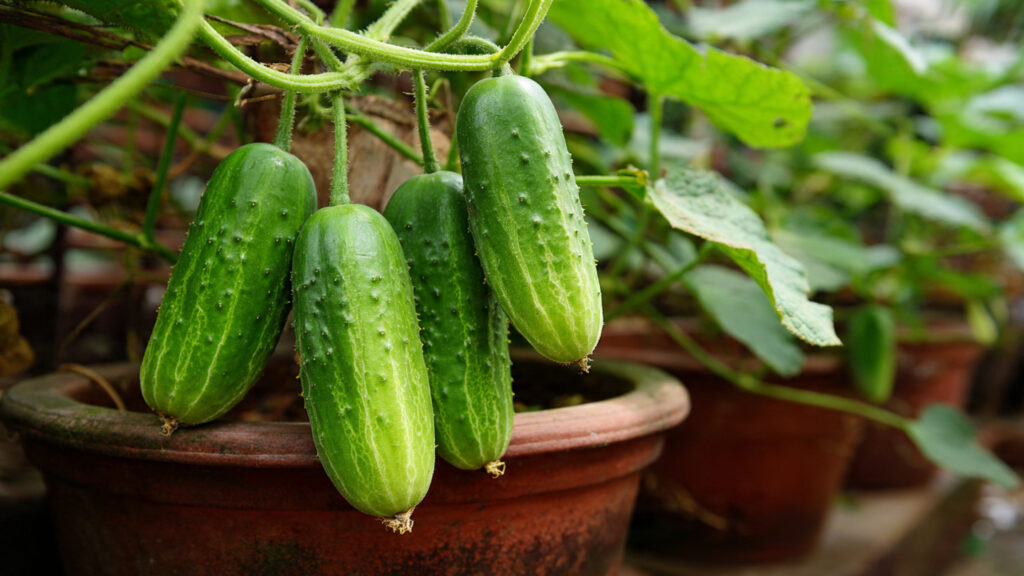
In today’s world, where sustainability and self-reliance are becoming increasingly important, gardening offers a powerful way to transform everyday waste into something valuable. What if those discarded paint buckets, broken tubs, old water cans, or cracked storage boxes lying around your home could become productive mini farms? With a little creativity and care, you can turn waste into wealth by growing fresh, crisp cucumbers right at home using rejected containers.
Cucumbers are among the easiest and most rewarding vegetables to grow. They are fast-growing, highly productive, and perfect for container gardening. Whether you live in a small apartment with a balcony or a house with limited yard space, you can cultivate cucumbers successfully using recycled materials.
Let’s explore how to make it happen step by step.
Why Grow Cucumbers in Rejected Containers?
Using discarded containers is more than just a cost-saving trick. It’s a smart, eco-friendly gardening method that offers several benefits:
1. Reduces Waste
Repurposing old containers keeps plastic and other materials out of landfills.
2. Saves Money
No need to buy expensive pots or grow bags. What you already have is enough.
3. Maximizes Small Spaces
Containers can be placed on balconies, rooftops, patios, or even near windows.
4. Better Soil Control
You control the soil quality, drainage, and nutrients, leading to healthier plants.
5. Easy Maintenance
Container gardening reduces weeds and makes watering and harvesting simpler.
When you transform unused items into productive garden tools, you literally turn waste into wealth—fresh food, better health, and savings on grocery bills.
Choosing the Right Rejected Containers
Almost any sturdy container can be used for growing cucumbers, provided it meets a few basic requirements.
Ideal Container Options:
- Old paint buckets (well-cleaned)
- Broken plastic tubs
- Cracked storage bins
- Discarded water cans
- Large food-grade containers
- Old barrels or drums (cut in half)
Size Matters
Cucumbers need enough root space to thrive. Choose containers that are:
- At least 12 inches deep
- 12–18 inches wide
- Able to hold 15–20 liters of soil
The bigger the container, the better your yield will be.
Ensure Proper Drainage
Drainage is critical. Without it, roots may rot.
- Drill 4–6 holes at the bottom.
- Add small stones or broken bricks at the base.
- Avoid completely sealed containers.
Good drainage prevents waterlogging and keeps the roots healthy.
➡️ How to Grow Malabar Spinach from Cuttings for Fast, Easy Greens
➡️ How to Grow Super Delicious Cabbage at Home Without a Garden
➡️ How to Grow Bean Sprouts at Home in Plastic Bottles Easily (Step‑by‑Step Guide)
➡️ Why is Your Lemon Tree Blooming in the Heart of Winter?
➡️ Why Should Your Garden Have a Dedicated Pollinator Highway?
➡️ Why Do Your Fruit Trees Need a Winter Wash to Thrive in Spring?
➡️ How Can Rice Water Transform Your Fruits into Sweeter Delights?
➡️ Jumpstart Your Winter Garden: Seed Starting Under Lights
Preparing the Perfect Soil Mix
Cucumbers grow best in rich, loose, and well-draining soil.
Simple Homemade Soil Mix:
- 40% garden soil
- 30% compost (kitchen compost or cow dung compost)
- 20% coco peat
- 10% sand for drainage
Mix everything thoroughly before filling your container.
Compost is key because cucumbers are heavy feeders. The more organic matter you provide, the better the plant will perform.
If possible, add a handful of neem cake powder to protect roots from pests.
Selecting the Right Cucumber Variety
For container gardening, choose bush or compact varieties rather than large sprawling ones.
Good options include:
- Bush cucumbers
- Mini or salad cucumbers
- Hybrid compact varieties
Climbing varieties can also be grown if you provide vertical support.
Planting Cucumbers in Containers
You can grow cucumbers either by direct seeding or by transplanting seedlings.
Method 1: Direct Seeding
- Make 1-inch deep holes.
- Place 2–3 seeds per hole.
- Cover lightly with soil.
- Water gently.
Seeds usually germinate within 5–10 days.
After seedlings grow 3–4 leaves, keep the healthiest plant and remove weaker ones.
Method 2: Transplanting Seedlings
If starting in seed trays:
- Transplant when seedlings are 2–3 weeks old.
- Avoid disturbing roots.
- Water immediately after transplanting.
Sunlight Requirements
Cucumbers love sunlight.
- Minimum 6–8 hours of direct sunlight daily.
- Place containers in the sunniest part of your balcony or rooftop.
If sunlight is limited, productivity may reduce, but plants can still survive with partial sun.
Watering Tips for Healthy Growth
Cucumbers need consistent moisture.
- Water deeply but avoid overwatering.
- Check soil moisture daily during hot weather.
- Keep soil moist, not soggy.
In summer, watering may be needed once or even twice daily depending on heat levels.
Mulching with dry leaves or straw helps retain moisture and reduces watering frequency.
Providing Support for Higher Yields
Cucumber vines love to climb.
Using vertical support:
- Saves space
- Improves air circulation
- Reduces disease
- Produces straighter fruits
You can use:
- Old metal rods
- Wooden sticks
- Scrap wire mesh
- Rope tied to balcony grills
Simply guide the vine upward as it grows.
Vertical gardening is especially useful in small urban spaces.
Fertilizing for Maximum Production
Since cucumbers grow quickly, they need regular feeding.
Every 15 Days:
- Add liquid compost tea
- Use diluted cow dung slurry
- Apply vermicompost around the base
During flowering and fruiting, increase potassium-rich feeding for better fruit quality.
Avoid excessive nitrogen, as it promotes leaves over fruits.
Managing Common Problems
Even in containers, cucumbers may face a few issues.
1. Yellow Leaves
Cause: Overwatering or nutrient deficiency
Solution: Improve drainage and add compost.
2. Powdery Mildew
Cause: Poor air circulation
Solution: Provide support and sunlight.
3. Poor Fruiting
Cause: Lack of pollination
Solution: Hand pollinate by transferring pollen using a soft brush.
Harvesting Your Cucumbers
Cucumbers grow fast. You can start harvesting:
- 45–60 days after planting
- When fruits are medium-sized and firm
- Before they turn yellow
Regular harvesting encourages more fruit production.
Never allow cucumbers to over-ripen on the plant.
Use scissors or pruning shears to cut fruits gently.
Estimated Yield from One Container
With proper care:
- One healthy plant can produce 8–15 cucumbers.
- Larger containers may yield even more.
Imagine growing 5 containers—you could enjoy dozens of fresh cucumbers throughout the season.
That’s real savings and real value from items that were once considered waste.
Additional Creative Ideas
Take your recycled gardening a step further:
- Paint containers for a decorative balcony garden.
- Stack containers creatively to maximize vertical space.
- Use drip irrigation bottles for automatic watering.
- Combine cucumber with companion plants like lettuce or herbs.
This transforms not only your waste materials but also your living space.
Environmental and Health Benefits
Growing cucumbers at home offers multiple advantages:
- Chemical-free produce
- Reduced carbon footprint
- Lower grocery bills
- Healthier eating habits
- Reduced plastic waste
It encourages a sustainable lifestyle and builds food security for your family.
Final Thoughts
Turning waste into wealth doesn’t require large farmland or expensive tools. It begins with a simple decision to reuse what you already have. Rejected containers that once cluttered your space can become thriving cucumber gardens.
With proper soil, sunlight, water, and care, cucumbers will reward you generously. The satisfaction of harvesting crisp, homegrown cucumbers from recycled containers is unmatched.
In a small way, you contribute to sustainability, save money, and enjoy fresher, healthier food.
So before throwing away that old bucket or broken tub, pause and imagine it filled with rich soil and green vines climbing upward.