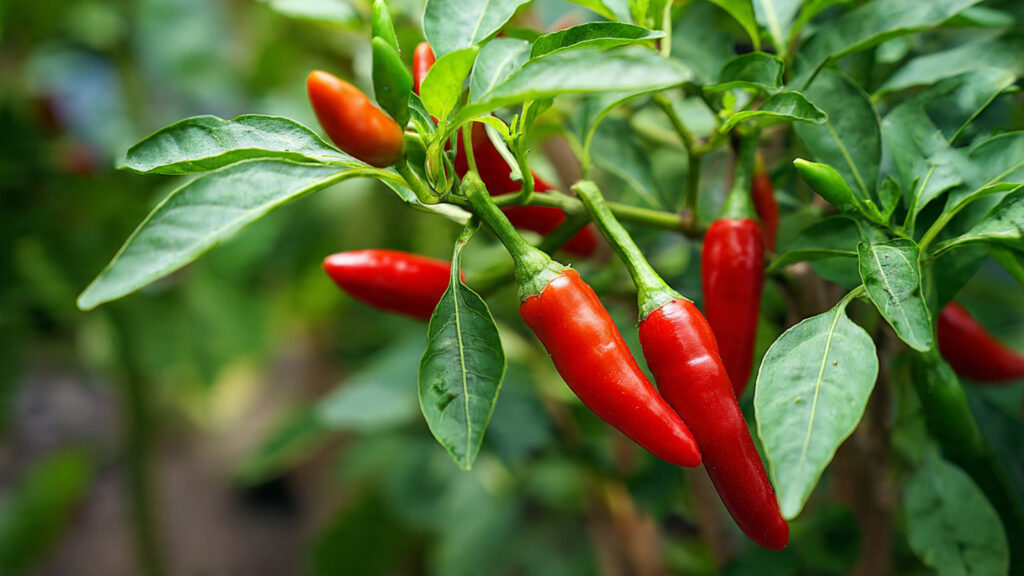
Chillies are one of the most rewarding plants to grow at home. Not only do they add a punch of flavor and heat to your meals, but they’re also visually striking, with vibrant green foliage and fiery red, yellow, or orange fruits. The best part? You don’t need a big backyard garden to cultivate them. With the right techniques, you can grow chillies in pots on balconies, patios, or windowsills and enjoy bountiful harvests throughout the season.
This comprehensive guide will take you through everything from choosing the right chilli variety to maximizing yields and storing your fiery fruits.
Why Grow Chillies at Home?
Homegrown chillies offer several advantages over store-bought ones:
- Better flavor and heat – Freshly harvested chillies are more aromatic and often spicier.
- Control over chemicals – You know exactly what fertilizers and pesticides touch your plants.
- Cost-effective – A few seeds or seedlings can yield dozens of fruits.
- Continuous supply – You can grow chillies year-round in suitable conditions.
Growing chillies also adds beauty to your living space. The glossy green leaves and colorful fruits make your balcony or garden lively and attractive.
Choosing the Right Chilli Variety
Not all chillies are created equal, especially when growing in pots. Choose varieties that suit your climate, taste preference, and container size.
Popular Chilli Varieties for Pots:
- Bird’s Eye Chilli – Small but extremely hot, ideal for spicy sauces.
- Cayenne Chilli – Long, red fruits with medium heat; great for drying.
- Jalapeño – Mild to medium heat, thick fleshy fruits.
- Thai Chilli – Compact plant, ideal for balcony cultivation.
For container cultivation, opt for compact or dwarf varieties, which are easier to manage and still produce abundant fruits.
Starting from Seeds or Seedlings
Growing from Seeds:
- Start seeds indoors 6–8 weeks before the last expected frost.
- Use a seed tray or small pots filled with a lightweight, well-draining seed-starting mix.
- Keep the soil moist but not waterlogged.
- Provide warmth (around 25°C) and light for germination. Seeds usually sprout in 7–14 days.
Using Seedlings:
- Purchasing young plants from a nursery is a faster way to start.
- Choose healthy, pest-free seedlings with strong stems.
- Transplant carefully to avoid root shock.
Seeds give you more variety options, while seedlings give you a head start on the growing season.
Choosing the Right Pot and Soil
Chillies thrive in well-draining, nutrient-rich soil and need enough room for roots to spread.
Pot Selection:
- Choose pots at least 12–14 inches deep.
- Ensure drainage holes to prevent waterlogging.
- Plastic, terracotta, or ceramic pots work well; terracotta allows for better aeration.
Soil Mix:
- Use a mix of garden soil, compost, and coarse sand or perlite for drainage.
- Slightly acidic to neutral pH (6.0–7.0) works best.
- Incorporate organic matter for fertility.
A healthy root system is the foundation for big chilli harvests. Poor soil or crowded roots will result in weak plants and few fruits.
Planting Your Chillies
Steps to Plant:
- Fill the pot with prepared soil, leaving 2 inches at the top.
- If planting seedlings, dig a hole slightly larger than the root ball.
- Place the plant and cover with soil, pressing gently.
- Water thoroughly but avoid waterlogging.
Spacing:
- One plant per medium pot is ideal.
- In larger containers, you can plant 2–3, keeping 12–18 inches apart for airflow.
Correct planting and spacing prevent fungal diseases and allow maximum light exposure.
Sunlight and Temperature
Chillies are sun-loving plants. They need at least 6–8 hours of direct sunlight daily.
- Place pots on a sunny balcony, terrace, or windowsill.
- If sunlight is insufficient, consider using a grow light for 12–14 hours daily.
Chillies thrive in temperatures between 20–30°C. Cooler conditions slow growth and reduce fruiting, while extreme heat can cause flower drop.
Watering and Fertilization
Watering Tips:
- Keep the soil consistently moist but not soggy.
- Water deeply when the top inch of soil feels dry.
- Avoid overhead watering to prevent fungal issues.
Fertilizing for Big Yields:
- Start with a balanced, slow-release fertilizer at planting.
- Once flowering begins, switch to high-potassium fertilizer to promote fruiting.
- Feed every 2–3 weeks for continuous growth.
Chillies are heavy feeders, so consistent nutrition is key to maximizing harvests.
Pruning and Plant Care
Pruning encourages bushier growth and better fruiting.
How to Prune:
- Pinch off the growing tip once the plant reaches 12–15 inches to encourage branching.
- Remove yellow or dead leaves regularly.
- Cut off early flowers for the first 4–6 weeks to allow the plant to focus on strong root and foliage development.
Support taller plants with small stakes to prevent stems from bending under fruit weight.
➡️ How to Grow Malabar Spinach from Cuttings for Fast, Easy Greens
➡️ How to Grow Super Delicious Cabbage at Home Without a Garden
➡️ How to Grow Bean Sprouts at Home in Plastic Bottles Easily (Step‑by‑Step Guide)
➡️ Why is Your Lemon Tree Blooming in the Heart of Winter?
➡️ Why Should Your Garden Have a Dedicated Pollinator Highway?
➡️ Why Do Your Fruit Trees Need a Winter Wash to Thrive in Spring?
➡️ How Can Rice Water Transform Your Fruits into Sweeter Delights?
➡️ Jumpstart Your Winter Garden: Seed Starting Under Lights
Flowering and Fruit Development
Chillies usually flower 6–8 weeks after transplanting.
- Flowers appear in leaf axils, followed by small green fruits.
- Pollination is crucial—if growing indoors, gently shake the flowers or use a small brush to transfer pollen.
- Fruit color depends on the variety and ripens over 2–4 weeks.
Regular care and proper pollination result in bigger and more numerous fruits.
Dealing with Common Problems
Pests:
- Aphids, spider mites, and whiteflies can attack chilli plants.
- Wash leaves with mild soapy water or neem oil.
Diseases:
- Fungal infections like powdery mildew can occur in humid conditions.
- Ensure good air circulation and avoid water on leaves.
Flower Drop:
- Often caused by temperature extremes or inconsistent watering.
- Maintain optimal conditions and fertilization to reduce flower drop.
Harvesting Chillies
Harvest time depends on the variety and desired heat level:
- Green chillies are harvested when they reach full size but before changing color.
- Red chillies are sweeter and spicier, harvested once fully ripe.
- Use scissors or pruners to cut fruits to avoid damaging stems.
Frequent harvesting encourages continuous fruiting and prevents plants from becoming overburdened.
Storing Chillies
Chillies can be stored fresh, dried, or frozen:
- Fresh Storage – Keep in a perforated plastic bag in the refrigerator for up to 2 weeks.
- Drying – Hang in bundles or use a dehydrator; dried chillies last for months.
- Freezing – Wash, dry, and store whole or chopped in airtight containers.
Proper storage ensures your homegrown chillies stay flavorful and ready to use.
Tips for Maximum Home Harvests
- Use high-quality seeds or seedlings.
- Rotate pots yearly to prevent soil-borne diseases.
- Avoid over-fertilizing with nitrogen after flowering.
- Provide consistent sunlight and warmth.
- Use natural pest control methods to reduce chemical use.
- Practice successive planting to maintain a continuous supply.
By following these tips, you can enjoy abundant chilli harvests all season long, directly from your balcony or patio.
Final Thoughts
Growing chillies in pots at home is both easy and rewarding. With the right varieties, containers, and care, you can cultivate healthy plants that produce plenty of flavorful, spicy fruits. From starting seeds to harvesting ripe chillies, this guide provides all the essential steps to achieve homegrown success.
Whether you’re a culinary enthusiast, spice lover, or hobby gardener, growing chillies at home adds flavor, color, and satisfaction to your life. Start small, nurture your plants, and watch your pots transform into a mini chilli paradise.
With patience and attention to detail, you’ll enjoy big harvests of fiery chillies that spice up your kitchen—and your life!