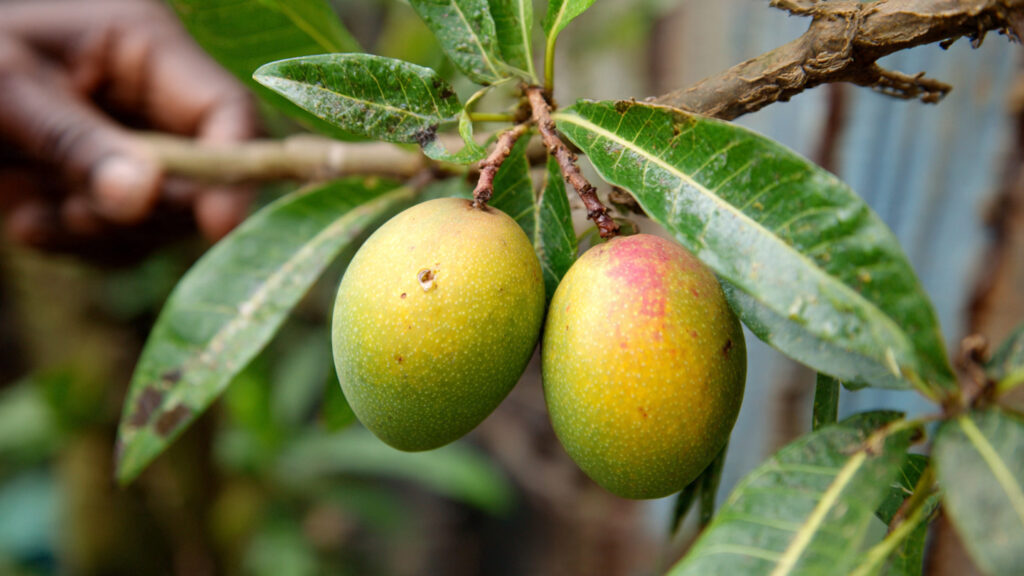
Mangoes are often called the “king of fruits” for their delicious flavor, rich aroma, and incredible nutritional benefits. From homemade smoothies to tropical desserts, mangoes are a beloved staple in kitchens worldwide. But have you ever wondered if you could grow your very own mango tree from the fruit you eat at home? The exciting truth is that you can propagate mango trees using ripe mangoes, and with the right method, it can be simple, fast, and highly practical. This guide will walk you through the entire process so that you can enjoy the satisfaction of growing your own mango tree from a fruit you already love.
Why Grow Mango Trees from Ripe Mangoes?
Traditionally, mango trees are propagated using grafting, air layering, or nursery-bought seedlings. While these methods are effective, they require access to specialized plant material or skills. Using a ripe mango as the starting point is not only convenient but also allows anyone to try mango propagation at home, even without prior horticultural experience.
Benefits of this method include:
- Accessibility – No need to buy seeds or seedlings; just use a ripe mango.
- Cost-effective – Eliminates nursery costs.
- Simplicity – Perfect for beginners; minimal equipment is needed.
- Satisfaction – Watching a tree grow from a fruit you ate is extremely rewarding.
However, it’s important to note that mango trees grown from seed may take longer to bear fruit (typically 5–8 years) compared to grafted trees. But with proper care, these trees develop strong roots, resilient growth, and eventually produce healthy mangoes.
Step 1: Choose the Right Mango
The first step in propagating a mango tree is selecting the right fruit. Choose a ripe, healthy mango that is free from bruises, rot, or mold. Ideally, the mango should be freshly harvested, as older fruit may have damaged or weak seeds. While any mango variety can be used, it’s best to start with popular, high-yielding varieties such as:
- Alphonso – Known for sweetness and fragrance.
- Kesar – Vibrant color and rich taste.
- Totapuri – Hardy and widely available.
Remember, the quality of your mango directly impacts the viability of the seed.
Step 2: Extract the Mango Seed
Once you have a ripe mango, follow these steps:
- Cut the Mango – Slice through the flesh and remove the pulp carefully. You can eat the fruit while saving the seed.
- Clean the Seed – Wash off all remaining mango flesh under running water to prevent mold and rot. Be gentle; don’t damage the seed coat.
- Remove the Husk – Mango seeds are encased in a hard husk. Using a knife, carefully peel off the husk to reveal the kernel inside. Take care not to cut the kernel.
This seed, also called the mango kernel, is what you will plant to grow your new tree.
Step 3: Prepare the Seed for Planting
Mango seeds require proper preparation to encourage germination:
- Soak the Kernel – Soak the seed in warm water for 24 hours. This softens the seed coat and speeds up sprouting.
- Optional Scarification – For very hard seeds, lightly sand the surface of the kernel to help water absorption. Be gentle; excessive scraping can damage the seed.
- Choose a Planting Medium – Use a well-draining potting mix, ideally a combination of garden soil, sand, and compost. This mix provides nutrients and prevents waterlogging.
Step 4: Germinate the Mango Seed
There are two popular methods to germinate mango seeds at home: direct soil planting and the wet paper towel method.
Direct Soil Planting Method
- Fill a pot (8–12 inches deep) with the prepared soil mix.
- Plant the mango kernel vertically, with the pointed end facing up, about 1 inch deep.
- Water the soil lightly to keep it moist but not soggy.
- Place the pot in a warm, sunny spot. Mango seeds germinate faster in temperatures between 25–30°C (77–86°F).
Wet Paper Towel Method
- Wrap the mango kernel in a damp paper towel or cloth.
- Place it in a plastic bag or container to retain moisture.
- Keep the setup in a warm place.
- Check daily and mist the paper towel if it begins to dry.
- In 2–4 weeks, you should see a small root emerging. Once the root is 2–3 inches long, transplant the seed into soil.
Both methods are effective, but the paper towel method allows better monitoring of germination.
Step 5: Plant the Seedling
Once the seed germinates, it’s time to plant it in a larger container or in your garden:
- Choose the Location – Mango trees need full sunlight (at least 6–8 hours per day). Pick a spot with good drainage and enough space for the tree to grow.
- Prepare the Soil – Enrich the soil with compost or well-rotted manure to provide essential nutrients.
- Plant the Seedling – Dig a hole slightly larger than the root system. Place the seedling carefully, cover with soil, and water thoroughly.
- Mulch the Base – Apply a 2–3 inch layer of organic mulch around the plant to retain moisture and regulate temperature.
Step 6: Caring for Your Mango Plant
Healthy growth requires consistent care and attention:
- Watering – Keep the soil moist, especially for young seedlings. Avoid overwatering, which can lead to root rot.
- Fertilization – Use a balanced fertilizer every 2–3 months. Young plants benefit from nitrogen-rich fertilizers for vegetative growth. Once the tree matures, phosphorus and potassium help with flowering and fruiting.
- Pruning – Prune the plant to encourage a strong structure and remove any weak or crowded branches.
- Pest Control – Watch for common pests like aphids, caterpillars, and mealybugs. Natural remedies such as neem oil can keep them in check.
- Support – Young mango plants may need a stake to support growth against wind and ensure a straight trunk.
Step 7: Encouraging Flowering and Fruit Production
Mango trees grown from seeds take several years to produce fruit. However, proper care can help your tree grow strong and increase its chances of flowering:
- Sunlight – Ensure full exposure to sunlight, which is essential for flower bud formation.
- Pruning – Shape the canopy to allow light penetration and air circulation.
- Water Management – Slightly reduce water before the flowering stage to encourage the tree to produce flower buds.
- Nutrient Boost – Use fertilizers high in potassium and phosphorus to stimulate flowering.
Patience is key. Seed-grown mango trees may bear their first fruit in 5–8 years, but the wait is worth it when you finally enjoy homegrown mangoes.
➡️ How to Grow Malabar Spinach from Cuttings for Fast, Easy Greens
➡️ How to Grow Super Delicious Cabbage at Home Without a Garden
➡️ How to Grow Bean Sprouts at Home in Plastic Bottles Easily (Step‑by‑Step Guide)
➡️ Why is Your Lemon Tree Blooming in the Heart of Winter?
➡️ Why Should Your Garden Have a Dedicated Pollinator Highway?
➡️ Why Do Your Fruit Trees Need a Winter Wash to Thrive in Spring?
➡️ How Can Rice Water Transform Your Fruits into Sweeter Delights?
➡️ Jumpstart Your Winter Garden: Seed Starting Under Lights
Tips for Maximum Success
- Always use fresh, ripe mangoes for propagation.
- Avoid damaging the kernel when removing the husk.
- Keep the soil consistently moist during germination.
- Ensure adequate sunlight for optimal growth.
- Protect young plants from pests and extreme weather.
- Be patient; growth and fruiting take time, but healthy mango trees are long-lived and rewarding.
Benefits of Growing Mango Trees at Home
Growing a mango tree from a ripe mango has several advantages:
- Fresh, organic fruit – No chemicals or preservatives.
- Sustainability – Reduces dependency on store-bought fruit.
- Aesthetic appeal – Mango trees provide shade and enhance garden beauty.
- Health benefits – Mangoes are rich in vitamin C, vitamin A, and antioxidants.
Moreover, propagating trees at home is a rewarding experience that fosters a deeper connection with nature.
Conclusion
Propagating a mango tree from a ripe mango is a simple, fast, and practical method that anyone can try at home. With a few basic steps—selecting a healthy mango, extracting and germinating the seed, planting it properly, and providing consistent care—you can grow a strong, healthy mango tree in your garden or in a container. While it requires patience to see the first fruits, the process is deeply satisfying and ultimately rewarding. Imagine biting into a juicy mango that came from a fruit you once ate yourself—this amazing trick truly brings the magic of gardening to your doorstep.
Growing mango trees from ripe mangoes isn’t just a method; it’s an enjoyable journey of patience, care, and the ultimate reward: homegrown, delicious mangoes for you and your family.