Gardeners and farmers alike face a persistent challenge: managing pests that threaten the health and yield of their plants. Among the most common culprits are whiteflies, leafminers, and thrips—tiny but destructive insects that can devastate crops if left unchecked. While chemical pesticides can provide a quick solution, they often come with environmental and health risks. Fortunately, eco-friendly sticky insect traps offer a natural, effective, and safe alternative to chemical interventions, helping gardeners protect their plants while supporting a sustainable environment.
Understanding the Pests
Before diving into the solution, it’s important to understand the pests these traps target.
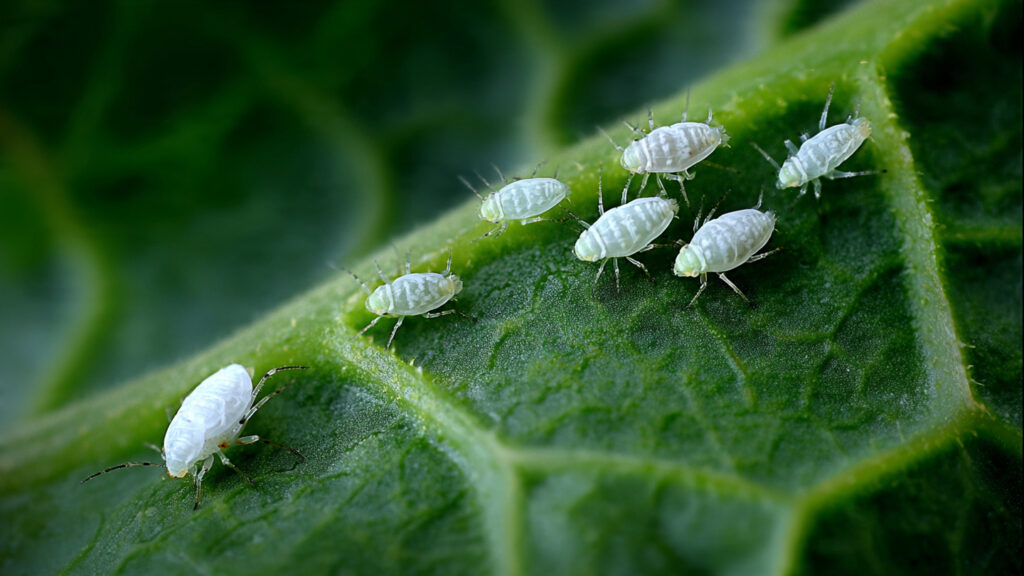
Whiteflies
Whiteflies are small, winged insects that feed on the undersides of leaves. They extract plant sap, weakening the plant, and excrete a sticky substance called honeydew, which encourages mold growth. This can stunt plant growth, reduce fruit quality, and even lead to the death of young plants. Whiteflies reproduce rapidly, so early detection is crucial.
Leafminers
Leafminers are the larvae of various fly species. They tunnel through leaves, leaving winding trails or blotchy patches. While leafminers rarely kill plants outright, they reduce the photosynthetic capacity of leaves, which diminishes overall plant vigor and productivity. Heavy infestations can leave leaves completely damaged and unfit for harvest.
Thrips
Thrips are tiny, slender insects that feed on plant tissue by puncturing it and sucking out the contents. They leave silvery streaks or spots on leaves and flowers and are notorious for spreading plant viruses. Thrips reproduce quickly and are difficult to control once they infest a garden.
Understanding these pests’ behaviors and life cycles helps gardeners take targeted action, making sticky traps an ideal solution.
What Are Sticky Insect Traps?
Sticky insect traps, also known as adhesive traps, are simple yet highly effective devices designed to capture flying or crawling insects. They consist of a brightly colored card or sheet coated with a non-drying adhesive. Insects are naturally attracted to the color, often yellow or blue, and become stuck upon contact. These traps come in various forms, including hanging cards, stakes for the soil, or sheets that can be placed near affected plants.
What makes them particularly eco-friendly is that they do not contain harmful chemicals. By trapping insects physically, gardeners can reduce pest populations without risking damage to beneficial insects, soil, or water sources.
Benefits of Eco-Friendly Sticky Traps
- Chemical-Free Pest Control
Unlike pesticides, sticky traps do not introduce toxic substances into the environment. This protects pollinators like bees and butterflies, which are crucial for plant reproduction and biodiversity. - Early Detection of Infestations
Sticky traps act as a monitoring tool. By regularly inspecting them, gardeners can detect early pest activity before it escalates into a full-blown infestation. This allows timely intervention using other organic methods if needed. - Continuous Protection
Once placed, sticky traps work 24/7, capturing insects as they approach. This reduces the overall pest population in a garden over time. - Easy to Use
These traps are simple to deploy. They require no complex installation, equipment, or technical knowledge, making them accessible to novice and experienced gardeners alike. - Cost-Effective
Compared to recurring pesticide treatments, sticky traps can be reused in many cases, offering long-term savings.
How to Choose the Right Sticky Trap
Choosing the correct trap is crucial for effectiveness. Consider the following:
- Color:
Different pests are attracted to different colors. Yellow traps are highly effective for whiteflies and thrips, while blue traps are particularly useful against thrips and certain leafminers. - Size and Placement:
Larger traps capture more insects, but placement matters more. Hang or stake traps at plant canopy level, close to the areas where pests are most active. Avoid placing them in direct sunlight if the adhesive is heat-sensitive. - Adhesive Type:
Choose traps with a non-drying, durable adhesive to ensure long-lasting effectiveness. Some traps come pre-coated, while others allow you to apply adhesive yourself. - Durability and Weather Resistance:
Outdoor gardens require traps that can withstand wind and rain. Look for UV-resistant options if placing them in sunny areas.
How to Use Sticky Insect Traps Effectively
- Placement Strategy
Position traps near problem areas, such as the undersides of leaves where whiteflies congregate, or near flowers where thrips feed. For leafminers, place traps near young leaves, as larvae often tunnel into new growth. - Regular Monitoring
Check traps weekly to assess pest pressure. A sudden increase in trapped insects indicates that intervention may be necessary to prevent damage. - Rotation and Replacement
Sticky traps lose effectiveness when covered with dust or insects. Replace them regularly to maintain high capture rates. Typically, traps last 3–6 weeks depending on environmental conditions. - Integration with Other Methods
For severe infestations, sticky traps are most effective when combined with other organic practices such as neem oil sprays, insecticidal soaps, or encouraging natural predators like ladybugs and lacewings. - Avoid Overcrowding
While it may be tempting to saturate a garden with traps, too many can confuse pests or attract beneficial insects. A well-planned layout ensures optimal coverage without negative impacts.
DIY Sticky Traps
For gardeners on a budget or those who prefer homemade solutions, sticky traps can be made with simple materials:
- Materials Needed: Cardboard or stiff paper, non-toxic adhesive (like vegetable oil or petroleum jelly), and bright paint or colored paper (yellow or blue).
- Instructions: Cut the cardboard into small rectangles, coat with adhesive, and attach the colored paper. Place the traps near affected plants, replacing the adhesive layer as needed.
DIY traps are environmentally friendly and customizable, but pre-made traps often offer more durability and stronger adhesive.
Supporting Beneficial Insects
A common concern when using sticky traps is inadvertently harming beneficial insects. Here’s how to minimize that risk:
- Placement: Hang traps inside plant canopies where pests are active but away from flowering plants to protect pollinators.
- Timing: Set traps during early morning or late evening when pests are most active and beneficial insects are less likely to be flying.
- Selective Color: Use colors that attract target pests rather than pollinators. Yellow attracts many harmful insects but is generally safe if carefully placed.
By integrating these precautions, gardeners can maintain ecological balance while controlling pest populations.
Success Stories from Organic Gardens
Many organic gardeners report significant reductions in pest pressure using sticky traps. In small-scale vegetable gardens, yellow traps have dramatically reduced whitefly numbers, preventing the spread of virus-related diseases in tomatoes and peppers. In flower gardens, blue traps have captured thrips before they could damage delicate petals. Leafminers, often difficult to control organically, are also more manageable when yellow sticky cards are strategically placed near emerging leaves.
These success stories highlight that sticky traps are not just a monitoring tool but a proactive, eco-friendly approach to integrated pest management.
➡️ How to Grow Malabar Spinach from Cuttings for Fast, Easy Greens
➡️ How to Grow Super Delicious Cabbage at Home Without a Garden
➡️ How to Grow Bean Sprouts at Home in Plastic Bottles Easily (Step‑by‑Step Guide)
➡️ Why is Your Lemon Tree Blooming in the Heart of Winter?
➡️ Why Should Your Garden Have a Dedicated Pollinator Highway?
➡️ Why Do Your Fruit Trees Need a Winter Wash to Thrive in Spring?
➡️ How Can Rice Water Transform Your Fruits into Sweeter Delights?
➡️ Jumpstart Your Winter Garden: Seed Starting Under Lights
Final Thoughts
Eco-friendly sticky insect traps provide a natural, sustainable way to control whiteflies, leafminers, and thrips in gardens and small farms. By understanding pest behavior, choosing the right trap, and using it strategically, gardeners can protect their plants without harming the environment. These traps not only reduce pest populations but also support a healthy ecosystem by minimizing chemical use and preserving beneficial insects.
In today’s environmentally conscious world, methods like sticky traps demonstrate that effective pest management doesn’t have to come at the expense of nature. They are a small but powerful tool that allows gardeners to cultivate healthy, productive, and thriving gardens—while staying in harmony with the environment.
With a combination of monitoring, preventive placement, and occasional organic interventions, sticky traps can turn the tide against common garden pests, ensuring your crops remain lush, healthy, and productive—all naturally.