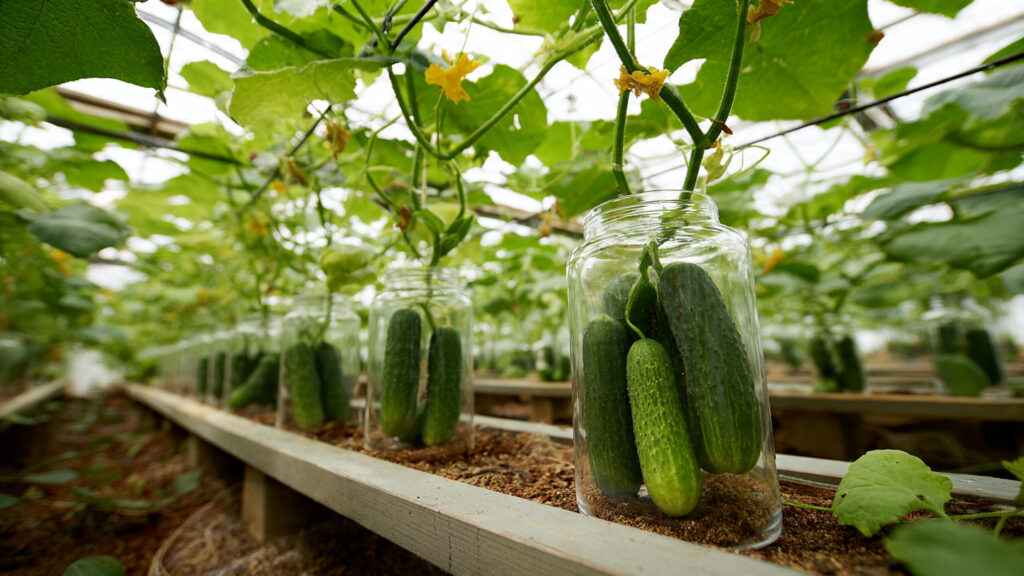
Fresh, homegrown cucumbers are a delight — crisp, flavorful, and packed with nutrients. But not everyone has access to a garden or backyard. Fortunately, you don’t need a traditional garden to grow cucumbers. With a little creativity and the right techniques, even small spaces such as balconies, patios, or windowsills can become thriving cucumber gardens. By using simple plastic cans as containers, you can grow these versatile vegetables efficiently, saving space while enjoying a fresh supply year-round.
This guide will show you everything you need to know to turn ordinary plastic cans into productive cucumber-growing containers, ensuring a healthy harvest with minimal effort.
Why Grow Cucumbers in Plastic Cans?
Container gardening has surged in popularity because it offers flexibility, accessibility, and efficiency. Plastic cans, in particular, are an excellent choice for several reasons:
- Cost-effective: They’re inexpensive or even free when reusing household containers.
- Portable: Easy to move around to optimize sunlight or protect plants from extreme weather.
- Space-saving: Perfect for small apartments, balconies, or patios.
- Controlled growth: You can manage soil quality, watering, and nutrients more precisely than in-ground planting.
By choosing the right cucumber variety and following proper container-gardening practices, you can achieve high yields even in limited spaces.
Choosing the Right Cucumber Variety
Cucumbers come in many types, and selecting the right variety is key to container success. Look for:
- Bush or compact varieties: Ideal for small containers. Examples include ‘Bush Champion’ or ‘Patio Snacker’.
- Parthenocarpic varieties: These produce fruit without pollination, which is useful for indoor or balcony gardens with limited pollinators.
- Fast-growing types: Shorter maturation times mean you can enjoy cucumbers sooner.
Avoid large, vining varieties unless you have a vertical trellis or support system, as they may overwhelm small containers.
Preparing Plastic Cans for Planting
Plastic cans are perfect for growing cucumbers, but proper preparation is crucial.
Step 1: Choose a Suitable Can
- Use cans or containers that are at least 12–15 inches deep.
- Ensure the container is wide enough (8–12 inches) to support root growth.
Step 2: Create Drainage
- Drill or punch 3–5 holes at the bottom.
- Good drainage prevents waterlogging and root rot.
Step 3: Clean the Container
- Wash thoroughly to remove any residues.
- If the can previously held food, avoid using harsh chemicals — rinse thoroughly.
Step 4: Add a Base Layer
- Place a layer of small stones or gravel at the bottom.
- This improves drainage and prevents soil from escaping through the holes.
Choosing and Preparing Soil
Cucumber plants are heavy feeders and require nutrient-rich, well-draining soil.
Recommended Soil Mix:
- 2 parts garden soil or potting soil
- 1 part compost or organic manure
- 1 part perlite or sand for drainage
The soil should be loose and airy. Avoid compacted soil, which can suffocate roots and stunt growth.
Planting Cucumbers in Plastic Cans
Once your can is prepared and filled with soil, it’s time to plant.
Step 1: Sowing Seeds
- Sow 2–3 seeds per container at a depth of 1 inch.
- Cover lightly with soil and water gently.
Step 2: Thinning Seedlings
- Once seedlings have 2–3 true leaves, thin to the strongest plant per container.
- Remove weaker seedlings to reduce competition for nutrients.
Step 3: Positioning
- Place containers where they receive at least 6–8 hours of sunlight daily.
- South-facing balconies or sunny windows are ideal.
Watering Techniques
Cucumbers require consistent moisture, especially in containers.
Tips for Effective Watering:
- Water early in the morning to avoid fungal problems.
- Keep soil evenly moist but not soggy.
- Use a saucer to catch excess water but empty it to prevent root rot.
- Mulching the soil surface with straw or dried leaves helps retain moisture and regulate temperature.
Supporting Vine Growth
Even compact cucumber varieties benefit from some support.
Support Options:
- Trellis or stake: Provides vertical growth, increases airflow, and reduces disease.
- String support: Hang strings from a balcony or overhead support for vining types.
- Cages or nets: Small tomato cages work well for container cucumbers.
Vertical growth saves space, keeps fruits clean, and promotes healthy yields.
Fertilization for Maximum Yield
Cucumbers are nutrient-hungry, so regular feeding is essential.
Fertilization Tips:
- Use balanced organic fertilizer every 2–3 weeks during active growth.
- Incorporate compost or worm castings into the soil before planting.
- Avoid over-fertilizing with nitrogen — it promotes leaf growth but reduces fruiting.
Proper nutrition ensures strong stems, healthy leaves, and abundant cucumbers.
➡️ How to Grow Malabar Spinach from Cuttings for Fast, Easy Greens
➡️ How to Grow Super Delicious Cabbage at Home Without a Garden
➡️ How to Grow Bean Sprouts at Home in Plastic Bottles Easily (Step‑by‑Step Guide)
➡️ Why is Your Lemon Tree Blooming in the Heart of Winter?
➡️ Why Should Your Garden Have a Dedicated Pollinator Highway?
➡️ Why Do Your Fruit Trees Need a Winter Wash to Thrive in Spring?
➡️ How Can Rice Water Transform Your Fruits into Sweeter Delights?
➡️ Jumpstart Your Winter Garden: Seed Starting Under Lights
Pest and Disease Management
Container-grown cucumbers can attract pests and diseases, but small spaces allow easier monitoring.
Common Pests:
- Aphids
- Whiteflies
- Spider mites
Disease Prevention:
- Powdery mildew can occur if humidity is high.
- Ensure good airflow around containers.
- Avoid overhead watering — water at the soil level.
Organic solutions like neem oil or insecticidal soap work well in small-scale setups.
Harvesting Cucumbers
Cucumbers grow fast and should be harvested promptly for best taste.
Harvesting Tips:
- Pick cucumbers when they reach the desired size (usually 6–8 inches for bush varieties).
- Regular harvesting encourages the plant to produce more fruit.
- Avoid leaving overripe cucumbers on the vine — this can slow further growth.
Frequent harvesting maximizes yield from your container garden.
Extending the Growing Season
Plastic cans and container gardening allow for flexible growing, even in limited climates.
- Indoor cultivation: Start seeds indoors in early spring to get a head start.
- Moveable containers: Shift cans to sunny spots or indoors during cooler months.
- Succession planting: Plant new seeds every 2–3 weeks for continuous harvest.
With proper care, you can enjoy fresh cucumbers year-round.
Creative Tips for Small-Space Gardening
Even tiny spaces can become productive cucumber gardens:
- Vertical walls: Attach trellises to railings or walls.
- Hanging cans: Use sturdy hooks for hanging containers, saving floor space.
- Mixed planting: Combine cucumbers with other compact vegetables like cherry tomatoes or herbs for a mini urban garden.
- Recycling: Use large yogurt tubs, water jugs, or other sturdy plastic containers.
The key is creativity — even a balcony rail can yield fresh cucumbers.
Benefits of Growing Cucumbers in Containers
- No garden needed — perfect for apartments or urban living.
- Easy to monitor and control water, nutrients, and pests.
- Flexible — move plants to optimize sunlight or protect from harsh weather.
- Fresh, pesticide-free cucumbers at your fingertips.
- Educational and fun — a great project for children or gardening enthusiasts.
Final Thoughts
Growing cucumbers in plastic cans is a practical, cost-effective way to enjoy fresh vegetables without a traditional garden. By selecting the right variety, preparing containers properly, providing sufficient sunlight, and maintaining consistent care, you can transform even the smallest space into a thriving veggie paradise.
From soil preparation to watering, support structures, and regular harvesting, every step contributes to a healthy and productive container garden. With patience and attention, plastic cans can become your gateway to fresh, homegrown cucumbers all year round — crisp, juicy, and full of flavor.
Whether you’re an urban gardener, a beginner looking to start small, or a hobbyist wanting a sustainable source of fresh vegetables, this simple container-growing technique ensures success while making the most of limited space.