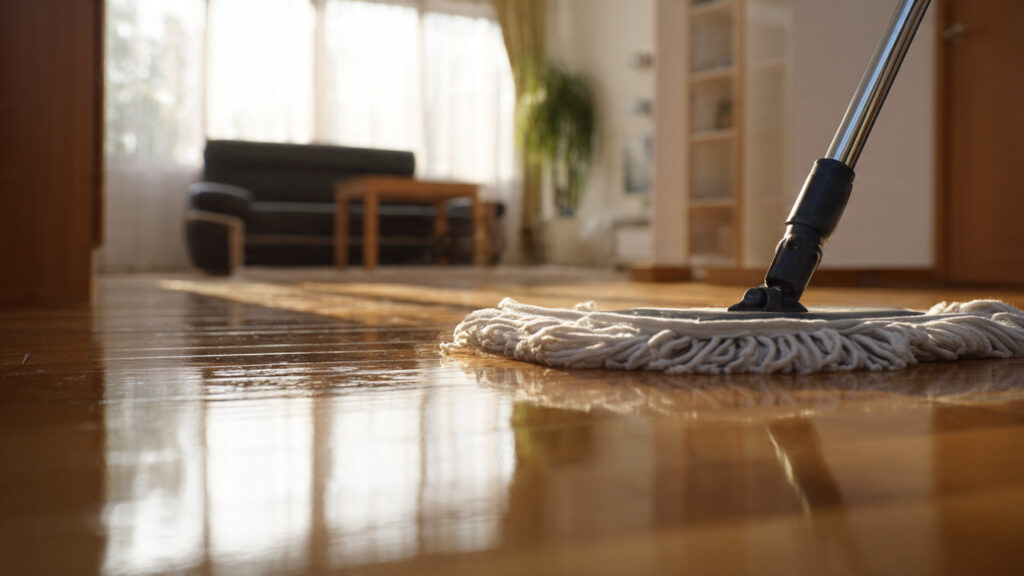
Keeping your floors clean is a key part of maintaining a healthy and inviting home. Yet, despite best intentions, many of us follow cleaning routines that are not only unnecessary but also waste valuable time and energy. Over the years, certain myths about floor cleaning have circulated widely, convincing homeowners that daily scrubbing or elaborate cleaning rituals are required. The truth is, some of these beliefs are not only inefficient but can even damage your floors. In this guide, we’ll debunk the most common daily floor cleaning myths and help you create a smarter, more effective routine.
Myth 1: You Must Mop Every Day
One of the biggest misconceptions is that floors need to be mopped daily to stay clean. While it’s true that certain areas—like kitchens or high-traffic hallways—can accumulate dirt quickly, most floors don’t require daily mopping. Over-mopping can lead to:
- Damage to flooring materials: Excess water can seep into hardwood, laminate, or engineered wood, causing warping, swelling, or discoloration.
- Wasted effort: Spending time mopping floors that aren’t visibly dirty doesn’t improve cleanliness and can drain energy.
Smart approach: Sweep or vacuum daily to remove dust, crumbs, and debris. Mop only when necessary—usually 1–3 times per week depending on traffic and floor type.
Myth 2: More Cleaning Products Mean Cleaner Floors
Many people assume that using multiple cleaning products or “heavy-duty” chemicals will make their floors sparkle. In reality, excessive products can:
- Leave sticky residues that attract more dirt.
- Cause discoloration on delicate surfaces like hardwood or stone.
- Increase chemical exposure in your home unnecessarily.
Smart approach: Use a mild, floor-appropriate cleaner sparingly. Often, a mixture of warm water and a few drops of a pH-neutral cleaner is sufficient for most surfaces.
Myth 3: Vacuuming Isn’t Necessary if You Mop Daily
Some homeowners think that mopping alone removes all dirt and debris. However, mopping over dust and grit can grind particles into the floor, leading to scratches and dullness over time.
Smart approach: Sweep or vacuum before mopping. This simple step ensures you’re cleaning the surface rather than pushing debris around. For carpets, regular vacuuming is essential; mopping doesn’t replace this step.
Myth 4: Hot Water Cleans Floors Better
It’s easy to assume that hot water will sanitize and clean more effectively, but this isn’t always true. On many surfaces, especially laminate or vinyl, excessively hot water can:
- Damage the floor finish or protective coating.
- Warp planks or cause seams to separate.
Smart approach: Use warm or room-temperature water for routine cleaning. Reserve hot water only for very stubborn stains on durable surfaces like tiles.
Myth 5: You Should Rinse Floors After Every Mop
Rinsing floors after mopping is another common practice that often wastes water and energy. Unless you’ve used a strong chemical cleaner, rinsing is generally unnecessary. Over-rinsing can also leave floors damp longer, increasing the risk of slips or water damage.
Smart approach: If you use a mild, pH-neutral cleaner, mop once and allow the floor to air-dry. Only rinse if residue or streaks remain.
Myth 6: Microfiber Cloths Aren’t That Important
While any mop or rag can remove dirt, microfiber cloths are specifically designed to trap dust, dirt, and moisture more efficiently. Some people assume traditional cotton mops are just as effective, but this is not the case.
Benefits of microfiber:
- Picks up fine dust and allergens.
- Requires less water and cleaning solution.
- Dries quickly, reducing streaks and water damage risk.
Smart approach: Invest in microfiber mops or cloths for daily maintenance. They save time and provide a superior clean with less effort.
Myth 7: Bleach or Strong Chemicals Are Needed Daily
There’s a misconception that daily sanitizing with bleach or disinfectants is necessary for healthy floors. In reality:
➡️ How to Grow Malabar Spinach from Cuttings for Fast, Easy Greens
➡️ How to Grow Super Delicious Cabbage at Home Without a Garden
➡️ How to Grow Bean Sprouts at Home in Plastic Bottles Easily (Step‑by‑Step Guide)
➡️ Why is Your Lemon Tree Blooming in the Heart of Winter?
➡️ Why Should Your Garden Have a Dedicated Pollinator Highway?
➡️ Why Do Your Fruit Trees Need a Winter Wash to Thrive in Spring?
➡️ How Can Rice Water Transform Your Fruits into Sweeter Delights?
➡️ Jumpstart Your Winter Garden: Seed Starting Under Lights
- Regular sweeping and occasional mopping are sufficient for everyday hygiene.
- Overusing harsh chemicals can degrade floor surfaces and harm indoor air quality.
- Excessive use may even kill beneficial microbes, creating an imbalance in your home environment.
Smart approach: Reserve strong disinfectants for high-risk areas or during illness outbreaks. For everyday cleaning, mild detergents or vinegar solutions are safe and effective.
Myth 8: All Floor Types Require the Same Cleaning Routine
Many people treat hardwood, tile, laminate, and vinyl the same way, assuming one method works for all. This one-size-fits-all approach can lead to:
- Scratches on delicate surfaces.
- Staining or discoloration on stone or natural wood.
- Reduced lifespan of flooring due to inappropriate cleaning practices.
Smart approach: Learn the specific needs of your floor type:
- Hardwood: Sweep daily, mop sparingly with a damp cloth, avoid excess water.
- Laminate: Use minimal water; avoid steam mops.
- Tile: Can handle more water; grout may require occasional scrubbing.
- Vinyl: Use gentle cleaners and avoid abrasive scrubbing.
Tailoring your routine saves time, energy, and protects your investment.
Myth 9: Streaks Mean the Floor Isn’t Clean
Many homeowners worry that streaks indicate dirt or poor cleaning. In most cases, streaks are caused by:
- Residue from cleaning products.
- Using dirty water or mop heads.
- Hard water leaving mineral deposits.
Smart approach: Rinse microfiber mops regularly, use a mild cleaner, and dry the floor with a clean, dry cloth or mop. Streak-free floors often require technique rather than more effort.
Myth 10: Daily Deep Cleaning Prevents All Floor Damage
Some people believe that daily deep cleaning is necessary to prevent wear and tear. In reality:
- Floors suffer more from improper cleaning methods than from skipping deep cleaning.
- Using harsh brushes, too much water, or strong chemicals can cause scratches, dull finishes, or warping.
Smart approach: Focus on preventive measures such as:
- Using door mats to trap dirt.
- Sweeping high-traffic areas regularly.
- Protecting floors with felt pads under furniture.
Deep cleaning can be done weekly or as needed without daily labor-intensive routines.
Practical Daily Floor Care Tips
Instead of following myths that waste time, adopt practical, effective habits:
- Sweep or vacuum daily to remove loose dirt.
- Spot clean spills immediately to prevent staining.
- Mop selectively—focus on areas with visible dirt.
- Use appropriate tools: microfiber mops, soft-bristled brushes, and non-abrasive pads.
- Protect high-traffic areas with rugs or runners.
- Rotate cleaning tools to avoid spreading dirt and residues.
By focusing on efficiency and smart techniques, you can maintain clean floors without unnecessary effort.
Conclusion
Many daily floor cleaning routines are guided by myths that cost time, energy, and even damage your floors. From the misconception that floors must be mopped every day to the unnecessary use of harsh chemicals, these common beliefs can lead to wasted effort and frustration. By understanding the true needs of your floor type, using the right tools, and adopting a practical cleaning schedule, you can achieve sparkling clean floors efficiently.
Remember, less can often be more. Daily sweeping, occasional mopping, and preventive measures like mats and protective pads go a long way toward keeping your floors looking pristine. Breaking free from these cleaning myths not only saves time but also preserves the beauty and longevity of your flooring, making your home cleaner and your life easier.