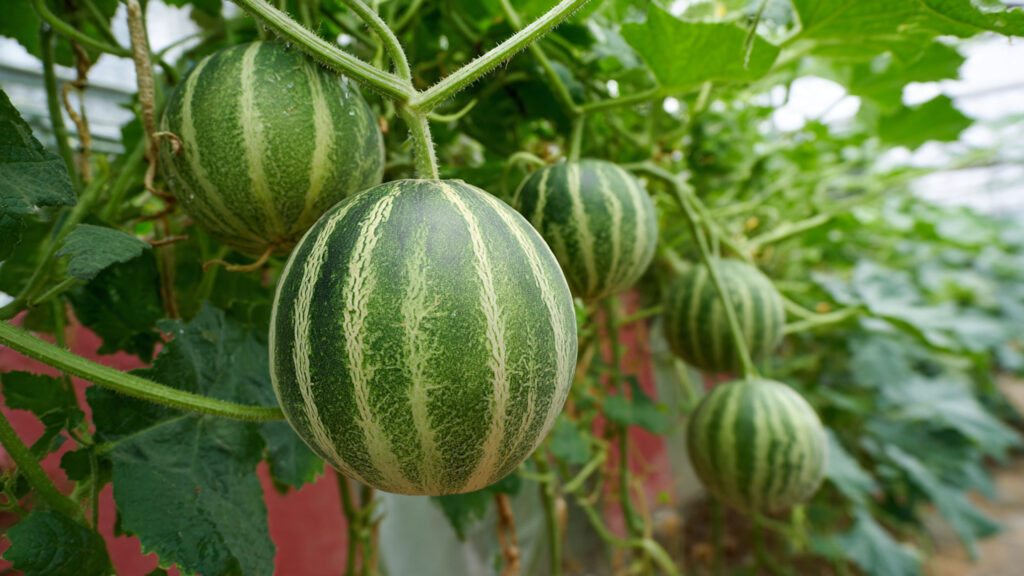
Growing your own melons can feel like a gardening miracle—sweet, juicy fruits harvested right from your balcony, patio, or backyard. For beginners, the idea of cultivating melons might seem daunting. After all, these plants are often associated with sprawling vines and large garden spaces. But here’s the good news: you can grow high-yield, delicious melons right in plastic containers! This guide will walk you through every step of the process, making melon cultivation simple, manageable, and extremely rewarding.
Why Container Gardening Works for Melons
Container gardening has revolutionized urban gardening and small-space cultivation. By growing melons in plastic containers, you can control soil quality, water, and sunlight more precisely. Containers also allow you to:
- Maximize space: Perfect for balconies, patios, or small gardens.
- Prevent soil-borne diseases: Fresh potting mix reduces the risk of fungal infections.
- Control nutrients: Fertilizers are more efficiently used, leading to better fruit production.
- Easier maintenance: Watering, pruning, and harvesting become simpler tasks.
With the right approach, container-grown melons can be just as sweet, juicy, and high-yielding as those grown in traditional gardens.
Choosing the Right Melon Varieties
Not all melon varieties thrive in containers. When selecting seeds or seedlings, look for:
- Compact or bush-type melons: Varieties like ‘Minnesota Midget’, ‘Sugar Cube’, and ‘Patio Baby’ are perfect for pots.
- Early-maturing types: These ensure faster fruiting, especially if you have a short growing season.
- Disease-resistant cultivars: Reduces the risk of powdery mildew, fusarium wilt, and other common melon diseases.
Always check the seed packet or plant label to confirm the plant’s suitability for container gardening.
Selecting the Perfect Container
Plastic containers are ideal for melons because they are lightweight, retain moisture, and are easy to move for optimal sunlight exposure. Consider the following when choosing your container:
- Size matters: A minimum of 15–20 gallons is recommended for one melon plant. Larger containers allow more root growth, which supports bigger fruits.
- Drainage holes: Ensure the container has several drainage holes to prevent waterlogging.
- Shape: Round or rectangular containers work fine, but deep pots allow for stronger root development.
If you only have smaller containers, you can still grow melons—but opt for dwarf or bush varieties and expect smaller fruits.
Preparing the Soil
Melons thrive in light, nutrient-rich, and well-draining soil. Here’s a simple container mix that works wonders:
- 50% high-quality potting soil
- 25% compost (for nutrients)
- 25% perlite or coarse sand (for drainage)
Mix the ingredients thoroughly and fill your container about 2–3 inches below the rim to allow space for watering. Before planting, moisten the soil slightly to create a welcoming environment for your melon seeds or seedlings.
Planting Melons in Containers
From Seeds:
- Sow 2–3 seeds per container, about 1 inch deep.
- Cover lightly with soil and water gently.
- Place the container in a sunny spot with at least 6–8 hours of direct sunlight per day.
- Seeds typically germinate in 7–10 days.
From Seedlings:
- If transplanting seedlings, dig a small hole in the center of the container.
- Place the seedling gently, spreading its roots.
- Cover with soil and water thoroughly.
Once seedlings are 3–4 inches tall, thin to one healthy plant per container to avoid overcrowding and ensure robust growth.
Watering and Feeding Your Melon Plant
Melons love water, but overwatering can be disastrous in containers. Follow these guidelines:
- Water consistently: Keep the soil evenly moist, especially during flowering and fruit set.
- Deep watering: Water until it drains from the bottom to encourage strong root growth.
- Avoid wetting leaves: Water at the base to prevent fungal infections.
Fertilization is essential for high-yield melons:
- Use a balanced liquid fertilizer every 2–3 weeks during vegetative growth.
- Switch to a high-potassium fertilizer once flowers appear to promote fruit development.
- Organic options like compost tea, fish emulsion, or seaweed extract also work beautifully.
Providing Support for Vines
Even compact melon varieties produce vines that need some guidance. You can:
➡️ How to Grow Malabar Spinach from Cuttings for Fast, Easy Greens
➡️ How to Grow Super Delicious Cabbage at Home Without a Garden
➡️ How to Grow Bean Sprouts at Home in Plastic Bottles Easily (Step‑by‑Step Guide)
➡️ Why is Your Lemon Tree Blooming in the Heart of Winter?
➡️ Why Should Your Garden Have a Dedicated Pollinator Highway?
➡️ Why Do Your Fruit Trees Need a Winter Wash to Thrive in Spring?
➡️ How Can Rice Water Transform Your Fruits into Sweeter Delights?
➡️ Jumpstart Your Winter Garden: Seed Starting Under Lights
- Use a trellis or cage: Train vines upward to save space.
- Let vines trail along the container rim: Ensure they are not stressed or cramped.
- Use soft ties or garden clips to secure vines if necessary.
Supporting vines prevents breakage, improves air circulation, and keeps fruits cleaner and healthier.
Pollination Tips
Melons require pollination to produce fruit. If you’re growing them on a balcony or indoors, natural pollinators like bees may not visit. You can hand-pollinate by:
- Identifying male and female flowers: Male flowers have long stems; female flowers have small bulbous bases (future fruits).
- Using a small brush or cotton swab, transfer pollen from male to female flowers.
- Pollinate during the morning when flowers are fresh for best results.
Successful pollination will lead to swelling at the base of the female flower, indicating a developing melon.
Managing Pests and Diseases
Container gardening reduces the risk of some pests, but vigilance is still key:
- Aphids: Spray a mild soapy water solution or neem oil.
- Powdery mildew: Ensure proper spacing, air circulation, and avoid wetting foliage.
- Spider mites: Keep humidity moderate and regularly rinse leaves.
Regularly inspect plants and remove any damaged leaves to maintain a healthy environment.
Harvesting Your Melons
Patience pays off when growing melons. Most container-grown varieties are ready to harvest 70–90 days after planting. Signs your melon is ripe include:
- The skin color has changed to its characteristic hue.
- A sweet fragrance emanates from the fruit.
- The fruit easily separates from the vine with a gentle tug.
Avoid leaving ripe melons on the vine too long—they can overripen and attract pests. Once harvested, store melons in a cool place or refrigerate for longer freshness.
Tips for Maximum Yield
- Rotate containers: Move plants for even sunlight exposure.
- Prune strategically: Remove excess vines and leaves to focus energy on fruit production.
- Mulch the soil: Helps retain moisture and regulate soil temperature.
- Regular feeding: Don’t skimp on fertilizer; melons are nutrient-hungry.
With consistent care, even first-time gardeners can harvest multiple melons per container during the growing season.
Advantages of Growing Melons in Plastic Containers
- Portability: Move containers indoors during extreme weather.
- Efficient watering: Reduced waste and better absorption.
- Space-saving: Ideal for urban dwellers and apartment gardeners.
- Control over soil health: Prevents soil compaction and disease.
These benefits make container-grown melons a fantastic option for beginners seeking a rewarding gardening experience.
Conclusion
Growing sweet, high-yield melons in plastic containers is not only possible—it’s a magical experience for beginners. With the right variety, a suitable container, proper soil, consistent watering, and a little care for pollination and pests, you can enjoy juicy, homegrown melons without a sprawling garden.
This approach opens up new possibilities for urban gardeners and small-space growers. Imagine stepping out to your balcony to pick sun-kissed, flavorful melons for breakfast, smoothies, or desserts—all nurtured by your hands. It’s beginner-friendly, space-efficient, and incredibly satisfying.
Container-grown melons may start small, but with patience and love, they reward you with sweetness, abundance, and a genuine taste of gardening success. So grab your plastic container, plant those seeds, and watch the magic unfold—your first homegrown melon is just around the corner!