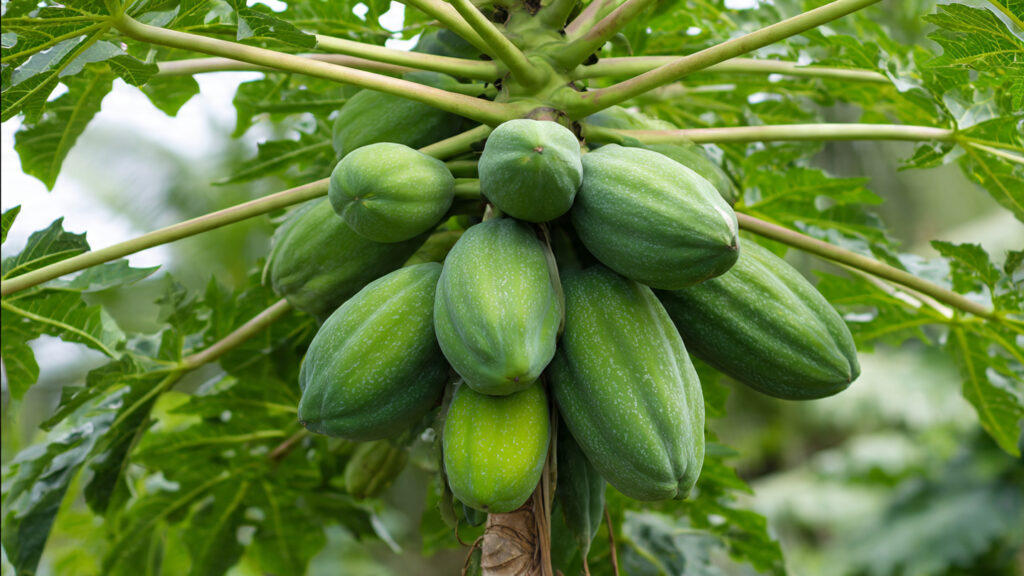
Papaya is one of the fastest-growing and most rewarding fruit plants for home gardeners. With its tropical appearance, sweet orange flesh, and continuous fruiting habit, papaya can transform any backyard into a productive food garden. But did you know that grafting papaya can significantly boost plant vigor, increase fruit size, and multiply your overall harvest?
Although papaya is commonly grown from seed, grafting offers unique advantages—especially if you want to combine strong root systems with high-yielding fruit varieties. In this comprehensive guide, you’ll learn an easy method to graft papaya successfully and maximize your harvest potential.
Understanding the Papaya Plant
Papaya, scientifically known as Carica papaya, is a fast-growing tropical plant that begins fruiting within 6–9 months under favorable conditions. Unlike many fruit trees, papaya has a soft, hollow trunk and shallow root system. It thrives in warm climates with plenty of sunlight and well-draining soil.
Papaya plants can be:
- Male
- Female
- Hermaphrodite
Hermaphrodite plants are usually preferred because they are self-pollinating and produce consistent fruit shapes.
Why Graft Papaya?
While growing papaya from seed is easy, grafting offers several key benefits:
1. Stronger Root System
You can use a disease-resistant or vigorous rootstock to improve plant health and stability.
2. Bigger Fruits
Grafting allows you to select high-performing scion varieties known for larger fruit size.
3. Faster Growth
A strong rootstock can accelerate early development and fruiting.
4. Uniform Harvest
Seed-grown papayas vary in fruit quality, while grafted plants replicate the parent plant’s characteristics.
5. Higher Yield
Combining ideal root and shoot traits results in better nutrient uptake and more productive plants.
Best Time to Graft Papaya
Grafting works best when:
- Temperatures are warm (25–35°C / 77–95°F)
- Plants are actively growing
- Humidity is moderate
Avoid grafting during cold weather or heavy rainy periods, as excess moisture may cause rot.
Choosing Rootstock and Scion
Successful grafting begins with proper selection.
Rootstock
- 1–2 months old seedling
- Thick stem (pencil-sized)
- Disease-free
- Healthy green leaves
Scion (Top Variety)
- Taken from a productive, healthy papaya plant
- 4–6 inches long
- Semi-mature green stem
- Free from pests and diseases
Make sure both plants are well-watered one day before grafting.
➡️ How to Grow Malabar Spinach from Cuttings for Fast, Easy Greens
➡️ How to Grow Super Delicious Cabbage at Home Without a Garden
➡️ How to Grow Bean Sprouts at Home in Plastic Bottles Easily (Step‑by‑Step Guide)
➡️ Why is Your Lemon Tree Blooming in the Heart of Winter?
➡️ Why Should Your Garden Have a Dedicated Pollinator Highway?
➡️ Why Do Your Fruit Trees Need a Winter Wash to Thrive in Spring?
➡️ How Can Rice Water Transform Your Fruits into Sweeter Delights?
➡️ Jumpstart Your Winter Garden: Seed Starting Under Lights
Easy Cleft Grafting Method for Papaya
The cleft grafting method is one of the simplest and most effective techniques for papaya.
Step 1: Prepare the Rootstock
- Cut the rootstock stem at about 6–8 inches above soil level.
- Make a vertical split (1–1.5 inches deep) down the center of the cut stem.
Step 2: Prepare the Scion
- Cut the bottom of the scion into a wedge shape.
- Ensure smooth, clean cuts for better cambium contact.
Step 3: Join the Plants
- Insert the wedge-shaped scion into the split rootstock.
- Align the cambium layers carefully.
- Ensure the scion sits firmly in place.
Step 4: Secure the Graft
- Wrap tightly with grafting tape or plastic strip.
- Cover the joint completely to prevent moisture loss.
- You may place a plastic cover loosely over the plant to maintain humidity.
Aftercare for Successful Grafting
Proper care after grafting determines success.
1. Provide Partial Shade
Keep the plant in bright but indirect sunlight for 7–10 days.
2. Maintain Moist Soil
Water lightly but avoid waterlogging.
3. Watch for New Growth
Within 10–15 days, successful grafts show new leaf development.
4. Remove Rootstock Shoots
If any new shoots appear below the graft, remove them immediately so energy goes to the scion.
Signs of a Successful Graft
- Scion remains green and firm
- Buds begin swelling
- New leaves appear within 2–3 weeks
- No signs of blackening or rot at the graft site
If the scion turns brown or dries out, the graft has failed.
How Grafting Boosts Fruit Size
Fruit size is largely influenced by nutrient uptake and plant vigor. A strong rootstock:
- Absorbs water more efficiently
- Extracts nutrients better
- Supports faster canopy growth
- Improves fruit filling
When combined with a scion from a large-fruited variety, the result is bigger, healthier papayas.
Increasing Harvest Through Multi-Grafting
Advanced gardeners sometimes graft multiple scions onto one strong rootstock. This allows:
- Different fruit varieties on one plant
- Extended harvest period
- Efficient use of space
However, beginners should first master single scion grafting.
Soil and Nutrition for Grafted Papaya
To maximize the benefits of grafting:
Ideal Soil:
- Loose and well-draining
- Rich in organic matter
- Slightly acidic to neutral pH
Fertilization:
- Apply compost every 4–6 weeks
- Use balanced NPK fertilizer
- Add potassium-rich fertilizer during flowering
Papayas are heavy feeders, so regular feeding boosts fruit production.
Watering Tips
Papaya plants require consistent moisture but cannot tolerate standing water.
- Water deeply but infrequently
- Ensure proper drainage
- Reduce watering slightly during fruit ripening
Overwatering is a common cause of root rot and poor fruit quality.
Common Mistakes to Avoid
1. Poor Cambium Alignment
If layers don’t align, the graft won’t heal.
2. Loose Wrapping
Air exposure dries out the graft union.
3. Grafting Weak Plants
Only use healthy, vigorous seedlings.
4. Ignoring Hygiene
Always use clean, sterilized tools to prevent infection.
When Will Grafted Papaya Fruit?
Grafted papayas typically:
- Establish in 2–3 weeks
- Show vigorous growth within a month
- Begin flowering in 4–6 months
- Produce fruit shortly after flowering
In many cases, grafted plants fruit earlier than seed-grown plants.
Benefits of Grafting Over Seed Growing
| Seed-Grown Papaya | Grafted Papaya |
|---|---|
| Variable fruit quality | Consistent fruit traits |
| Slower uniform growth | Faster, stronger growth |
| Gender uncertainty | Selected productive scion |
| May produce smaller fruits | Larger fruits possible |
Grafting offers more predictability and higher productivity.
Can Beginners Try Papaya Grafting?
Yes, papaya grafting is easier than grafting woody fruit trees because:
- The stem is soft and easy to cut
- Healing occurs quickly in warm climates
- Growth is rapid
Even beginners can achieve success with patience and proper technique.
Extending the Life of Papaya Plants
Papayas typically live 3–5 years. Grafting onto vigorous rootstock can:
- Improve disease resistance
- Extend productive lifespan
- Strengthen plant stability
- Increase tolerance to environmental stress
Stronger roots mean longer productivity.
Final Thoughts
Grafting papaya is an easy yet powerful technique to boost plant growth, produce bigger fruits, and multiply your harvest. By combining a vigorous rootstock with a high-yielding scion, you gain the best qualities of both plants.
With proper timing, clean cuts, and careful aftercare, even home gardeners can master this method. The rewards are significant: healthier plants, faster fruiting, uniform harvests, and larger papayas.
If you’re looking to maximize productivity in your garden and take your papaya growing skills to the next level, grafting is a simple step that delivers impressive results.