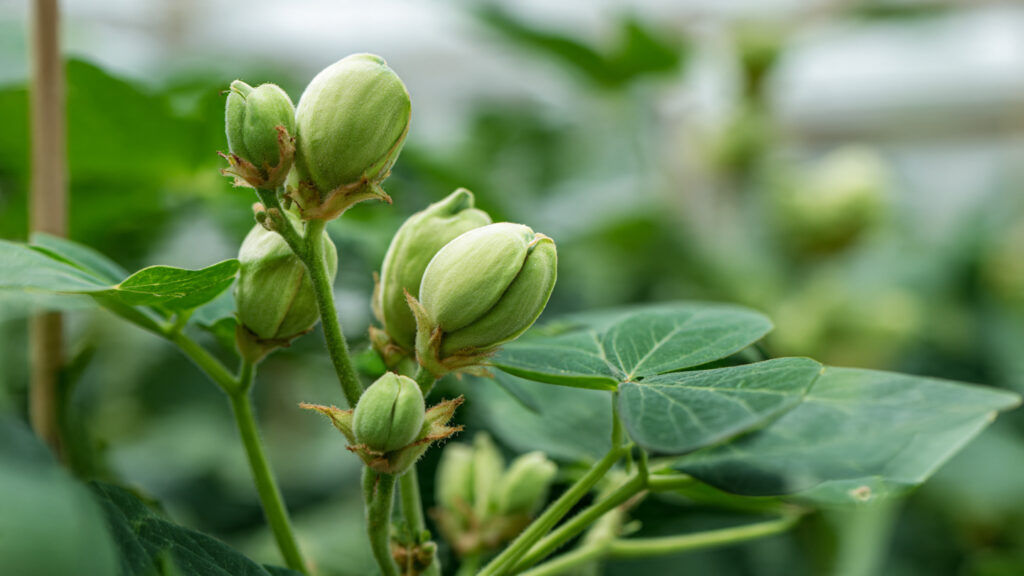
Peanut cultivation has been a vital part of agriculture for centuries, providing a rich source of protein, oil, and essential nutrients. Traditionally, farmers have relied on conventional methods of growing peanut plants, but recent innovations have introduced smart techniques that significantly increase pod production. These modern approaches combine scientific insights, precision agriculture, and practical field management to maximize yield and quality. In this article, we will explore this new smart technique for growing peanut plants, from soil preparation to harvesting, highlighting methods that ensure higher productivity.
Understanding Peanut Plant Growth
Before diving into the smart technique, it is crucial to understand the biology and growth requirements of peanut plants. Peanuts (Arachis hypogaea) are legumes that develop pods underground. The plants require:
- Warm temperatures: Ideal growth occurs between 25°C to 30°C.
- Well-drained sandy-loam soil: Peanuts do not tolerate waterlogging, as it can damage roots and reduce pod formation.
- Adequate nutrients: Particularly nitrogen, phosphorus, and potassium, to support vegetative growth and pod development.
- Sunlight: At least 6–8 hours of direct sunlight per day.
The growth of peanut plants is divided into vegetative, flowering, peg formation, and pod development stages. Enhancing pod production requires optimizing conditions during each stage, particularly during flowering and peg penetration, when pods begin to form underground.
Soil Preparation: The Foundation for Success
High-yield peanut cultivation begins with proper soil preparation. The smart technique emphasizes:
- Soil Testing: Conducting a comprehensive soil test to determine pH levels and nutrient availability. Peanuts prefer slightly acidic to neutral soil (pH 6.0–6.5). Deficiencies in calcium or phosphorus can limit pod development.
- Deep Tillage: Loosening the soil to a depth of 30–40 cm promotes good root and peg penetration. Compacted soil reduces oxygen supply and limits pod growth.
- Organic Enrichment: Incorporating organic matter, such as compost or well-decomposed farmyard manure, improves soil structure, moisture retention, and microbial activity. This fosters healthier root systems and higher pod yields.
- Raised Beds or Ridges: Planting on raised beds improves drainage, reduces disease risk, and facilitates peg penetration, ultimately leading to better pod formation.
Selecting the Right Variety
Variety selection is critical. Smart techniques recommend high-yielding, disease-resistant peanut varieties adapted to local climate conditions. Some key factors to consider include:
- Pod size and number: Varieties with larger pods and more seeds per pod typically yield more.
- Maturity period: Early-maturing varieties allow multiple cropping cycles, whereas medium-to-late varieties often produce larger pods.
- Disease resistance: Resistance to leaf spot, rust, and nematodes reduces crop losses and ensures higher pod production.
Farmers should also consider hybrids developed for intensive cultivation, which respond well to nutrient management and irrigation.
Seed Treatment and Sowing Techniques
The smart technique emphasizes using high-quality seeds treated for optimal germination and disease protection:
- Seed Treatment: Treating seeds with bio-fertilizers or fungicides improves germination rates and protects against soil-borne diseases.
- Optimal Sowing Time: Sowing during the onset of warm, humid conditions ensures rapid germination. Early sowing in well-prepared soil often results in better pod formation.
- Spacing and Planting Depth: Proper spacing (30–45 cm between rows, 10–15 cm between plants) and a shallow planting depth (3–5 cm) allow for adequate airflow, sunlight exposure, and root expansion.
Precision Irrigation for Higher Yields
Water management is crucial for pod development. Unlike leafy crops, peanuts are sensitive to both drought and waterlogging. The smart technique involves precision irrigation:
- Drip Irrigation: Delivers water directly to the root zone, reducing water wastage and preventing fungal infections caused by excess moisture.
- Irrigation Scheduling: Applying water during flowering and peg formation stages ensures maximum pod set. Overwatering before flowering can reduce flower formation and subsequently pod yield.
This precise water management ensures the plant’s energy is directed toward pod development rather than stress recovery.
Nutrient Management: Feeding for Pod Productivity
High pod production requires adequate nutrients at critical growth stages:
- Nitrogen (N): Supports vegetative growth. However, excessive nitrogen before flowering can lead to lush foliage but reduced pod formation.
- Phosphorus (P): Crucial for root development and energy transfer. Adequate phosphorus promotes peg penetration and pod set.
- Potassium (K): Enhances pod filling and seed quality.
- Calcium (Ca): Vital for peg growth and pod shell hardening. Applying gypsum near flowering ensures calcium availability at the pod formation stage.
- Micronutrients: Boron, zinc, and magnesium improve flowering, peg penetration, and pod filling.
The smart technique often uses fertigation—applying nutrients through irrigation—to optimize uptake efficiency and reduce wastage.
Pest and Disease Management
Diseases and pests can severely reduce peanut pod yield. Smart management includes:
- Crop Rotation: Avoiding continuous peanut cultivation in the same field reduces soil-borne pathogens.
- Biological Control: Using beneficial insects or biocontrol agents to manage pests like aphids and thrips.
- Resistant Varieties: Choosing varieties resistant to leaf spots, rust, and root-knot nematodes minimizes yield losses.
- Timely Monitoring and Treatment: Early detection of pests and diseases and the use of eco-friendly pesticides ensures minimal impact on pod production.
Innovative Techniques for Enhanced Pod Formation
One of the core elements of the new smart technique is direct intervention to encourage peg growth and pod development:
- Soil Loosening Around Pegs: Lightly loosening the soil around emerging pegs allows them to penetrate more easily, increasing the number of successfully developing pods.
- Mulching: Applying organic mulch retains soil moisture, moderates temperature, and protects pegs from direct exposure or damage.
- Growth Regulators: In some high-tech farms, natural plant growth regulators are used to enhance flowering and peg growth, ensuring a higher pod count per plant.
- Intercropping with Compatible Plants: Some farmers plant legumes or cover crops between peanut rows to improve soil fertility, reduce weed competition, and enhance pod production indirectly.
Harvesting and Post-Harvest Care
Proper harvesting and handling are the final steps in maximizing pod yield:
- Timing: Harvest when 70–80% of pods are mature. Immature pods result in poor quality and lower yield.
- Careful Uprooting: Peanuts grow underground, so careful digging prevents pod damage.
- Drying: Post-harvest drying reduces moisture content to around 10% to prevent fungal growth.
- Storage: Store pods in a cool, dry environment to maintain quality and avoid spoilage.
Conclusion: Maximizing Peanut Pod Production
The new smart technique for growing peanut plants combines scientific knowledge with practical farming practices to enhance pod yield significantly. By focusing on soil preparation, variety selection, precision irrigation, nutrient management, pest control, and innovative peg-enhancing techniques, farmers can achieve a higher number of healthy pods per plant.
➡️ How to Grow Malabar Spinach from Cuttings for Fast, Easy Greens
➡️ How to Grow Super Delicious Cabbage at Home Without a Garden
➡️ How to Grow Bean Sprouts at Home in Plastic Bottles Easily (Step‑by‑Step Guide)
➡️ Why is Your Lemon Tree Blooming in the Heart of Winter?
➡️ Why Should Your Garden Have a Dedicated Pollinator Highway?
➡️ Why Do Your Fruit Trees Need a Winter Wash to Thrive in Spring?
➡️ How Can Rice Water Transform Your Fruits into Sweeter Delights?
➡️ Jumpstart Your Winter Garden: Seed Starting Under Lights
This approach is not just about increasing quantity—it also improves pod quality, seed size, and nutritional content, making it economically and nutritionally valuable. With growing demand for peanuts worldwide, adopting these advanced cultivation methods allows farmers to boost productivity sustainably while maintaining soil health for future crops.
Peanut cultivation is evolving, and smart farming techniques are leading the way. By embracing these innovations, every farmer, whether small-scale or commercial, can enjoy a more bountiful harvest, healthier plants, and a profitable peanut-growing enterprise.