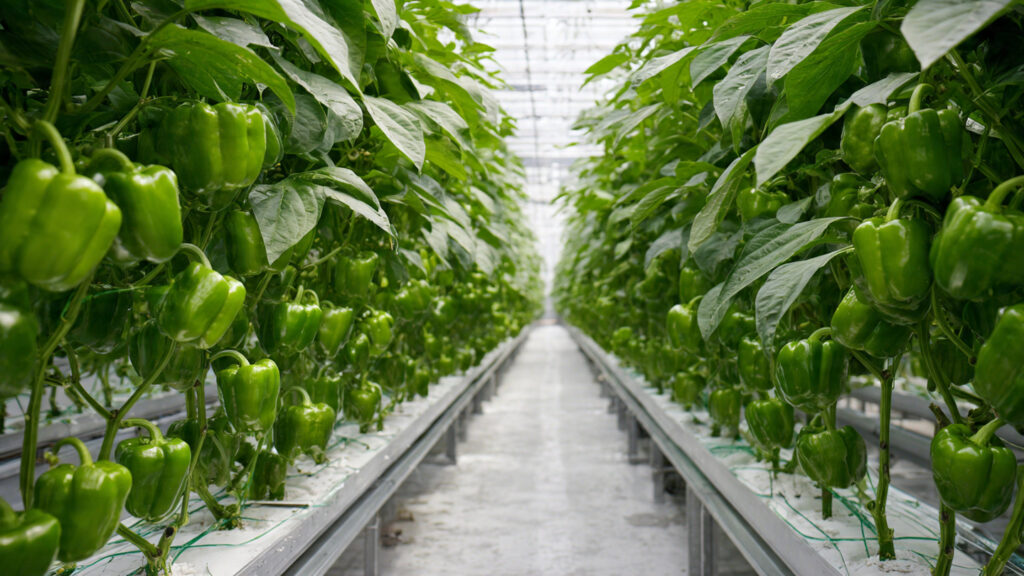
Capsicum, commonly known as bell pepper or chili depending on the variety, is one of the most popular vegetables grown worldwide. Its vibrant colors, distinct flavors, and high nutritional value make it a staple in many kitchens. However, many gardeners struggle with achieving continuous harvests or producing fruits that are consistently large and high-quality. Recent innovations in cultivation techniques are changing that, allowing both home gardeners and commercial farmers to maximize yield with minimal effort. This article will introduce a new high-productivity method that ensures bigger and continuous harvests of capsicum plants.
Understanding Capsicum Growth Requirements
Before diving into advanced techniques, it is essential to understand the basic needs of capsicum plants. Capsicum thrives in warm climates with abundant sunlight. It requires:
- Temperature: Optimal growth occurs between 20°C and 30°C. Temperatures below 15°C or above 35°C can reduce flowering and fruit set.
- Soil: Well-draining, fertile soil rich in organic matter is crucial. Sandy loam or loamy soil with a pH between 6.0 and 6.8 works best.
- Watering: Consistent moisture is necessary, but waterlogging can lead to root rot.
- Nutrients: Capsicum plants are heavy feeders, requiring adequate nitrogen, phosphorus, and potassium. Micronutrients like calcium and magnesium also play a vital role in fruit development.
By ensuring these fundamental conditions, growers set a strong foundation for the plant’s productivity.
Traditional Challenges in Capsicum Cultivation
Many gardeners and farmers face similar problems while growing capsicum:
- Irregular Fruit Size: Plants produce uneven fruits, with some small and underdeveloped.
- Limited Harvest Period: Capsicum plants often have a short fruiting window, leading to inconsistent supply.
- Susceptibility to Pests and Diseases: Aphids, whiteflies, and fungal infections like powdery mildew can drastically reduce yield.
- Low Productivity per Plant: Even in ideal conditions, traditional growing methods may not fully utilize the plant’s potential.
These challenges call for a method that not only enhances fruit size and number but also extends the harvesting period.
The High-Productivity Technique: A Step-by-Step Guide
The new technique combines pruning, nutrient management, and micro-irrigation to maximize the plant’s potential. Here’s how it works:
1. Selecting the Right Variety
Start with high-yield capsicum varieties suited for your climate. Varieties such as California Wonder, Yolo Wonder, or hybrid bell peppers are known for their robust growth and larger fruits. For chili peppers, hybrids developed for disease resistance and extended fruiting periods work best.
2. Seedling Preparation
Healthy seedlings form the foundation of a productive crop. Use seed trays or small pots to start seeds 8–10 weeks before the intended transplanting date. Keep them in a warm environment with 12–16 hours of light daily. Using a balanced liquid fertilizer at the seedling stage ensures strong root development.
3. Transplanting with Adequate Spacing
When seedlings have 4–5 true leaves and are about 6–8 inches tall, transplant them to the main growing area. Proper spacing is critical:
- Bell peppers: 40–50 cm between plants, 60–70 cm between rows.
- Chili peppers: 30–40 cm between plants, 50–60 cm between rows.
This spacing ensures adequate airflow, reduces disease risk, and allows each plant to receive maximum sunlight.
4. Nutrient-Rich Soil and Organic Amendments
Before planting, enrich the soil with well-decomposed compost or farmyard manure. Capsicum responds well to fertigation, where nutrients are delivered through irrigation. A recommended schedule:
- Nitrogen: 150–200 kg per hectare, split applications every 15–20 days.
- Phosphorus: 60–80 kg per hectare, applied at planting.
- Potassium: 120–150 kg per hectare, applied during fruiting.
- Micronutrients: Foliar sprays of calcium, magnesium, and zinc every 15 days can prevent blossom-end rot and promote larger fruits.
5. Pruning and Training for Continuous Harvest
Pruning is a game-changer in this high-productivity technique. It encourages the plant to produce more lateral branches, each capable of flowering and fruiting. Follow these steps:
- Remove the main shoot tip once the plant reaches 30–35 cm.
- Pinch off suckers at the base of lateral branches.
- Trim old or yellowing leaves to maintain plant health and improve sunlight penetration.
This pruning encourages the plant to focus energy on fruit production rather than excessive foliage growth.
6. Micro-Irrigation for Consistent Moisture
Capsicum plants require steady soil moisture. Using drip irrigation ensures the roots receive water consistently without overwatering. Drip lines can be equipped with fertigation systems, delivering nutrients directly to the roots, which promotes larger and more uniform fruits.
7. Flower and Fruit Management
For continuous harvesting:
➡️ How to Grow Malabar Spinach from Cuttings for Fast, Easy Greens
➡️ How to Grow Super Delicious Cabbage at Home Without a Garden
➡️ How to Grow Bean Sprouts at Home in Plastic Bottles Easily (Step‑by‑Step Guide)
➡️ Why is Your Lemon Tree Blooming in the Heart of Winter?
➡️ Why Should Your Garden Have a Dedicated Pollinator Highway?
➡️ Why Do Your Fruit Trees Need a Winter Wash to Thrive in Spring?
➡️ How Can Rice Water Transform Your Fruits into Sweeter Delights?
➡️ Jumpstart Your Winter Garden: Seed Starting Under Lights
- Remove the first few flowers during early growth to allow plants to develop strong roots and stems.
- Thin overcrowded fruits to prevent small or deformed peppers.
- Regularly harvest ripe fruits to encourage the plant to produce more flowers.
8. Pest and Disease Management
Integrated Pest Management (IPM) ensures healthy growth and uninterrupted production:
- Introduce beneficial insects like ladybugs and predatory mites.
- Use organic sprays such as neem oil to control aphids and whiteflies.
- Maintain proper spacing and airflow to reduce fungal infections.
By keeping the plant stress-free, it focuses energy on fruit production rather than defense mechanisms.
Benefits of This Technique
Implementing this method brings several advantages:
- Bigger Fruits: With targeted pruning, nutrient management, and fertigation, capsicum fruits reach their maximum potential size.
- Continuous Harvest: By managing flowering and removing mature fruits promptly, plants keep producing throughout the season.
- Higher Yield per Plant: Studies show that properly pruned and fertilized capsicum plants can yield 30–50% more than traditional cultivation methods.
- Reduced Disease Incidence: Adequate spacing, airflow, and pest control reduce losses from common diseases and pests.
- Cost-Effective: Using organic amendments and drip fertigation reduces waste, ensuring that nutrients and water are efficiently used.
Harvesting and Storage Tips
Harvesting at the right stage ensures maximum flavor, color, and shelf life:
- Bell peppers: Harvest when fully colored (red, yellow, or orange) for best flavor and nutritional value.
- Chili peppers: Can be harvested green or red depending on use.
- Use sharp scissors or pruning shears to avoid damaging the plant.
- Store harvested peppers in a cool, ventilated place or refrigeration for extended shelf life.
Extending Productivity Beyond One Season
For gardeners in regions with mild winters, capsicum plants can sometimes survive for 2–3 years. By continuing proper pruning, nutrient management, and pest control, it is possible to harvest multiple seasons from a single plant.
Additionally, propagating plants from cuttings or using high-quality hybrid seeds ensures that each subsequent crop maintains high productivity.
Conclusion
The new high-productivity technique for growing capsicum combines careful selection, nutrient management, pruning, and micro-irrigation to achieve larger fruits and continuous harvests. By following these steps, both home gardeners and commercial growers can overcome the limitations of traditional capsicum cultivation. Not only does this method increase yield, but it also ensures healthier, more resilient plants, making it an ideal strategy for anyone looking to get the most out of their capsicum crop.
By investing time in proper planning, plant care, and monitoring, growers can enjoy an abundant and continuous harvest season after season. With these techniques, the dream of a vibrant capsicum garden producing plentiful, colorful, and delicious fruits becomes a reality.