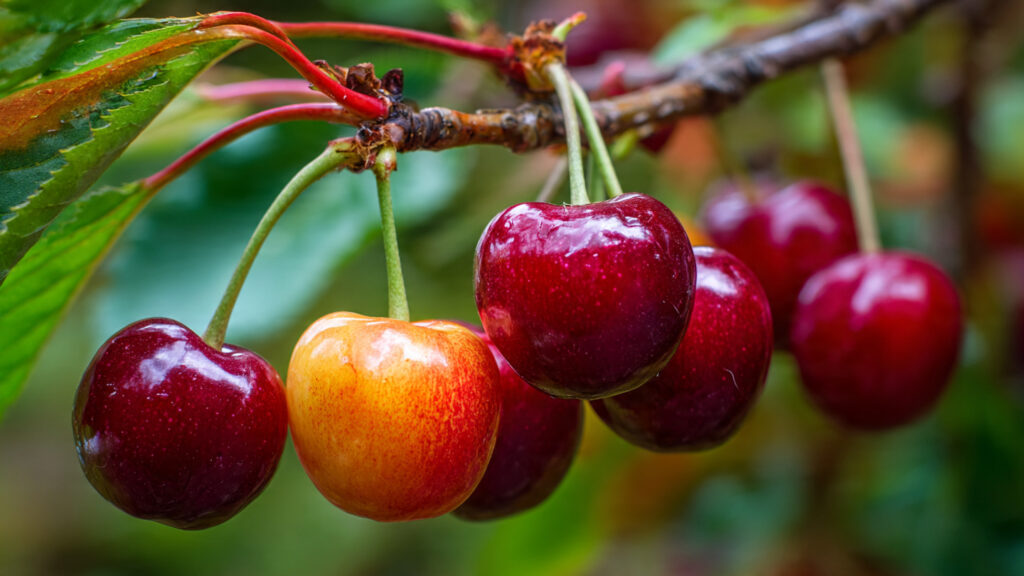
Growing a cherry tree at home can be a deeply satisfying experience. There’s something magical about nurturing a small seedling into a mature tree that rewards you with sweet, juicy fruits. Whether you have a backyard garden, a balcony, or even a container, it is entirely possible to cultivate cherry trees that are compact, manageable, and highly productive. In this guide, we will explore step-by-step strategies to grow a cherry tree at home, focusing on achieving sweet fruits and maintaining a compact growth habit for easy management and harvesting.
Choosing the Right Cherry Variety
The first step in successfully growing a cherry tree at home is selecting a suitable variety. Not all cherry trees are ideal for home gardens, especially if space is limited. Some key points to consider include:
- Sweet vs. Tart Cherries: Sweet cherries, like Bing and Rainier, are ideal for fresh consumption, while tart cherries, like Montmorency, are better for cooking and preserves. For home growers seeking delicious, fresh fruits, sweet cherries are usually preferred.
- Dwarf and Semi-Dwarf Varieties: Compact growth is essential for home gardens. Dwarf varieties grow up to 2–3 meters, and semi-dwarf varieties grow up to 3–4 meters, making them manageable for pruning, harvesting, and container planting.
- Self-Pollinating vs. Cross-Pollinating: Some cherry varieties are self-pollinating and will produce fruit without a partner tree. However, cross-pollinating varieties may yield larger and more consistent harvests when paired with a compatible pollinator.
Selecting the right variety sets the foundation for healthy growth, sweet fruit, and a manageable tree size.
Selecting the Right Location
Cherry trees require a careful choice of planting location to thrive. Whether planting in the ground or in a container, the following considerations are crucial:
- Sunlight: Cherry trees need at least 6–8 hours of direct sunlight per day to produce sweet fruits. Insufficient light reduces flowering and fruiting.
- Soil: Well-draining soil is essential. Sandy loam or loamy soil enriched with organic matter works best. Cherry trees do not tolerate waterlogged conditions, as soggy soil can cause root rot.
- Wind Protection: Young cherry trees are susceptible to wind damage. Planting near a fence or using a windbreak can protect branches and blossoms.
- Space Considerations: For compact growth, ensure there is enough room for pruning and airflow between trees or containers. Adequate spacing prevents overcrowding and disease spread.
Planting Your Cherry Tree
Whether you’re starting from a nursery sapling or growing from seed, proper planting is critical:
- Planting in Soil:
- Dig a hole twice as wide and the same depth as the root ball.
- Mix garden soil with compost or well-rotted manure to enhance fertility.
- Place the tree in the hole, ensuring the graft union (if grafted) is above the soil.
- Backfill the hole, gently tamping down the soil to remove air pockets.
- Water immediately to help the soil settle around the roots.
- Planting in Containers:
- Choose a container at least 50 cm deep with drainage holes.
- Use a well-draining potting mix enriched with compost.
- Ensure regular watering and fertilization, as container trees rely on you for nutrients.
- Consider dwarf varieties for container planting to maintain compact growth.
Watering and Irrigation
Cherry trees need consistent moisture, especially during flowering, fruit set, and early fruit development. However, overwatering can be detrimental. Here’s a simple watering guide:
- Young Trees: Water 2–3 times per week during the growing season to keep the soil evenly moist.
- Established Trees: Water deeply once a week, increasing frequency during hot or dry periods.
- Avoid Waterlogging: Ensure soil drains well to prevent root rot. Mulching around the base can help retain moisture and regulate soil temperature.
Fertilization for Sweet Fruits
Nutrient management is key to producing sweet, high-quality cherries. Cherry trees benefit from balanced feeding at specific growth stages:
- Early Spring: Apply a balanced fertilizer rich in nitrogen to promote healthy vegetative growth and strong shoots.
- Pre-Flowering: Incorporate phosphorus and potassium to stimulate flower production and support fruit development.
- Fruit Development Stage: Supplement with calcium and potassium to improve fruit size, sweetness, and firmness.
Organic fertilizers like compost, well-rotted manure, or liquid seaweed extracts are excellent options for home growers seeking natural growth and sweetness in fruits.
Pruning and Maintaining Compact Growth
One of the main challenges of home cherry trees is managing their size while maximizing fruit production. Smart pruning techniques encourage compact growth and better fruiting:
- Initial Pruning: When planting, cut the main stem to encourage lateral branching.
- Annual Pruning: Remove dead, diseased, or crossing branches during late winter when the tree is dormant.
- Thinning Branches: Thin crowded branches to improve sunlight penetration and airflow, reducing disease risks.
- Height Control: For dwarf or semi-dwarf trees, selectively prune taller branches to maintain a manageable height for harvesting and care.
Pruning not only maintains compact growth but also stimulates flowering and increases fruit quality.
Pollination and Flowering
Pollination plays a critical role in fruit production:
- Self-Pollinating Varieties: Will produce fruit without a pollinator, but even self-pollinating trees can benefit from bee activity to increase yield.
- Cross-Pollinating Varieties: Plant compatible varieties nearby to enhance fruit set. Bees or manual pollination can transfer pollen between blossoms.
- Flower Care: Avoid using strong pesticides during flowering to protect pollinators.
Healthy flowering is a direct precursor to sweet, abundant fruit.
Pest and Disease Management
Cherry trees are susceptible to several pests and diseases that can reduce fruit quality and yield. Common issues include aphids, caterpillars, cherry fruit flies, fungal leaf spots, and bacterial canker. Effective home management includes:
- Regular Monitoring: Inspect leaves, stems, and fruits weekly for signs of pests or disease.
- Organic Solutions: Neem oil, insecticidal soaps, or horticultural oils help control pests without harming beneficial insects.
- Pruning and Sanitation: Remove diseased or infested branches and fallen fruits to reduce infection sources.
- Mulching: Mulch reduces weeds and improves soil health, indirectly supporting disease resistance.
Harvesting Sweet Cherries
The reward of growing a cherry tree at home is the fruit itself. Harvesting at the right time ensures the best flavor and sweetness:
- Timing: Sweet cherries are ready when they reach full color and are firm but slightly soft to the touch.
- Gentle Picking: Twist or cut the stems carefully to avoid damaging branches or adjacent fruits.
- Frequent Harvesting: Pick cherries every few days as they ripen, as mature fruits do not continue ripening once detached.
Proper harvesting maximizes sweetness, ensures fruit quality, and encourages the tree to produce more flowers for the next season.
➡️ How to Grow Malabar Spinach from Cuttings for Fast, Easy Greens
➡️ How to Grow Super Delicious Cabbage at Home Without a Garden
➡️ How to Grow Bean Sprouts at Home in Plastic Bottles Easily (Step‑by‑Step Guide)
➡️ Why is Your Lemon Tree Blooming in the Heart of Winter?
➡️ Why Should Your Garden Have a Dedicated Pollinator Highway?
➡️ Why Do Your Fruit Trees Need a Winter Wash to Thrive in Spring?
➡️ How Can Rice Water Transform Your Fruits into Sweeter Delights?
➡️ Jumpstart Your Winter Garden: Seed Starting Under Lights
Caring for Cherry Trees in Containers
Container-grown cherry trees require special care:
- Pot Size: Upgrade the container as the tree grows to prevent root binding.
- Watering: Containers dry faster than ground soil, so adjust watering frequency accordingly.
- Fertilization: Container trees rely entirely on you for nutrients, so regular feeding is essential.
- Winter Protection: Move containers to sheltered locations or wrap them to protect roots from frost in cold climates.
By following these steps, even apartment dwellers or urban gardeners can enjoy the sweet fruits of a home-grown cherry tree.
Conclusion: Enjoying Sweet Fruits and Compact Growth
Growing a cherry tree at home is not only feasible but highly rewarding. By carefully selecting the right variety, choosing an optimal location, providing proper care, and employing pruning techniques for compact growth, you can cultivate a tree that produces delicious, sweet fruits year after year.
Whether you plant it in the ground or in a container, understanding the tree’s nutritional, watering, and pollination needs is essential for successful home cultivation. With patience and attention, your cherry tree can become a beautiful, fruit-bearing centerpiece in your garden or balcony, providing a fresh and healthy harvest for your family.
Embrace the joy of home gardening, and enjoy the satisfaction of picking your own sweet cherries—grown with love and care from a compact, thriving tree.