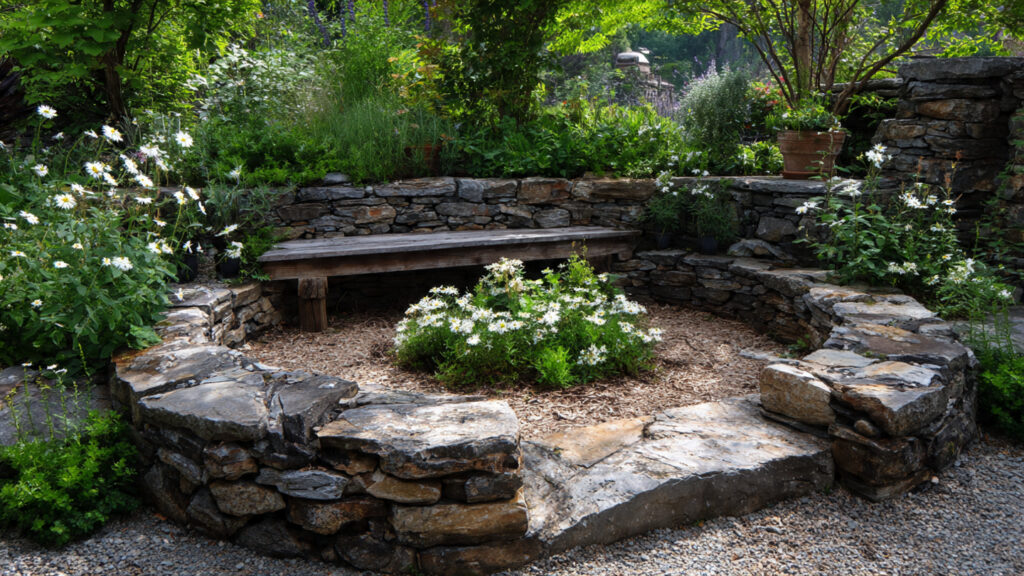
Creating a garden that feels warm, inviting, and in harmony with nature often starts with the right foundation. Raised beds are a practical and aesthetic solution for modern and rustic gardens alike, offering better soil control, improved drainage, and easier access for planting and harvesting. Using natural stone to build these beds adds a timeless charm and durability that wood or synthetic materials simply cannot match. If you’re looking to enhance your garden’s rustic appeal, here are five creative raised bed ideas using natural stone that will transform your outdoor space into a picturesque retreat.
1. Classic Stacked Stone Beds
One of the most straightforward yet elegant approaches to raised beds is the classic stacked stone design. This method involves arranging flat or slightly irregular stones into layers, creating a natural, flowing look that blends seamlessly into a rustic landscape.
Design Tips:
- Stone Choice: Use local fieldstone or flagstone for a naturally weathered appearance. Mixing different sizes and shapes adds visual interest.
- Layering Technique: Start with the largest stones at the base for stability and work upward with smaller stones. Dry stacking (without mortar) gives a timeless, organic feel, while using mortar ensures longevity and structural integrity.
- Height Considerations: A height of 12–24 inches is ideal for most vegetable and flower beds. Taller beds allow for better soil depth and root growth.
Planting Ideas: Classic stacked stone beds work beautifully with perennials, herbs, or a mix of vegetables. Consider planting trailing plants like thyme or nasturtium along the edges, letting them cascade over the stone walls for a soft, romantic effect.
2. Curved or Serpentine Beds
Straight lines can feel rigid, but incorporating curves brings fluidity and movement to your garden. Curved raised beds made from natural stone evoke the feeling of an old European cottage garden, perfect for creating a cozy, rustic atmosphere.
Design Tips:
- Planning the Curve: Sketch your layout on paper or use a garden hose to outline the curve on the ground before placing stones.
- Stone Selection: Choose irregularly shaped stones that can interlock naturally. Smooth, rounded stones work particularly well for gentle curves.
- Layering: Build the bed slightly wider at the base to support the curve and prevent tipping.
Planting Ideas: Curved beds are perfect for flower gardens or mixed herb gardens. Use alternating colors and textures to highlight the shape of the bed. Lavender, sage, and rosemary thrive in these beds, offering both fragrance and rustic charm.
3. Multi-Tiered Stone Beds
If you have a slope or want to add dimension to your garden, multi-tiered stone raised beds are an excellent solution. They not only prevent soil erosion but also create a visually dynamic landscape.
Design Tips:
- Terracing: Divide the slope into steps or levels, each with its own raised bed. Use larger stones at the base of each tier for stability.
- Drainage Considerations: Ensure proper drainage between levels to avoid waterlogging. Adding gravel layers beneath each tier can improve water flow.
- Height Variation: Varying the height of each tier creates a natural, rustic look while providing different microclimates for various plants.
Planting Ideas: Lower tiers are perfect for root vegetables or larger shrubs, while higher tiers suit herbs, flowers, or even compact fruit bushes. This layout allows you to grow a wide variety of plants efficiently and adds depth to your garden design.
4. Rustic Rock Garden Beds
For a more rugged, naturalistic approach, consider building raised beds that mimic a rock garden. Using larger boulders interspersed with smaller stones creates an organic, mountainous effect that integrates beautifully with rustic landscapes.
Design Tips:
- Stone Arrangement: Cluster large boulders at corners or along the back, filling gaps with smaller stones. The key is to mimic natural stone formations rather than forcing uniformity.
- Soil Mixture: Use a well-draining soil mix with sand, gravel, and compost to support drought-tolerant plants.
- Maintenance: These beds require minimal upkeep, as stones help retain moisture and reduce weed growth.
Planting Ideas: Succulents, alpine plants, and hardy perennials flourish in rock garden beds. Consider varieties like sedum, creeping thyme, and ornamental grasses to create a textured, low-maintenance garden that retains its rustic charm year-round.
5. Circular or Spiral Beds
Circular or spiral raised beds are not only visually striking but also functional. Inspired by permaculture designs, spiral beds make the most of vertical space, allowing for intensive planting and easy access to all areas.
Design Tips:
➡️ How to Grow Malabar Spinach from Cuttings for Fast, Easy Greens
➡️ How to Grow Super Delicious Cabbage at Home Without a Garden
➡️ How to Grow Bean Sprouts at Home in Plastic Bottles Easily (Step‑by‑Step Guide)
➡️ Why is Your Lemon Tree Blooming in the Heart of Winter?
➡️ Why Should Your Garden Have a Dedicated Pollinator Highway?
➡️ Why Do Your Fruit Trees Need a Winter Wash to Thrive in Spring?
➡️ How Can Rice Water Transform Your Fruits into Sweeter Delights?
➡️ Jumpstart Your Winter Garden: Seed Starting Under Lights
- Building the Spiral: Start with a base stone circle and gradually build upward in a spiral pattern, widening the bed at the bottom and tapering toward the top.
- Stone Selection: Use stones that naturally stack or interlock. Irregular shapes work well, giving the spiral a handcrafted, rustic appearance.
- Access Path: Ensure there’s enough space to reach the center of the spiral without stepping on the bed itself.
Planting Ideas: Place taller plants like tomatoes, peppers, or sunflowers toward the center, and cascading herbs such as oregano, basil, or mint along the outer edges. This design maximizes planting space and creates an eye-catching centerpiece for your garden.
Additional Tips for Using Natural Stone in Raised Beds
- Foundation Matters: Even when dry stacking, consider leveling the ground and adding a gravel base to prevent stones from shifting over time.
- Mixing Stone Types: Combining colors and textures can enhance the rustic appeal. Avoid overly uniform stones, as variation adds character.
- Soil Selection: Raised beds require rich, well-draining soil. Mix compost, topsoil, and sand for a balanced growing medium.
- Edge Protection: Consider edging the top layer with flat stones to create seating areas or a polished finish.
- Maintenance: Natural stone is durable but occasionally check for loose stones or settling, especially after heavy rains.
Why Choose Natural Stone?
Natural stone offers several advantages for raised garden beds:
- Durability: Unlike wood, which can rot over time, stone withstands weathering and lasts for decades.
- Aesthetic Appeal: Each stone is unique, lending a one-of-a-kind charm to your garden.
- Eco-Friendly: Using locally sourced stone reduces the environmental impact compared to manufactured materials.
- Low Maintenance: Stone requires minimal upkeep and resists pests, making it ideal for sustainable gardening.
Conclusion
Raised beds made from natural stone are a perfect blend of functionality and rustic elegance. Whether you choose classic stacked stones, flowing curves, multi-tiered terraces, rugged rock garden beds, or spirals, each design brings a unique character to your garden. Beyond their beauty, these beds improve soil quality, drainage, and ease of access, making gardening more enjoyable and productive.
By combining creativity with practicality, you can transform even a modest outdoor space into a rustic haven filled with lush plants, vibrant flowers, and fragrant herbs. Natural stone raised beds not only support healthy plant growth but also become lasting garden features, adding charm and value to your home for years to come.