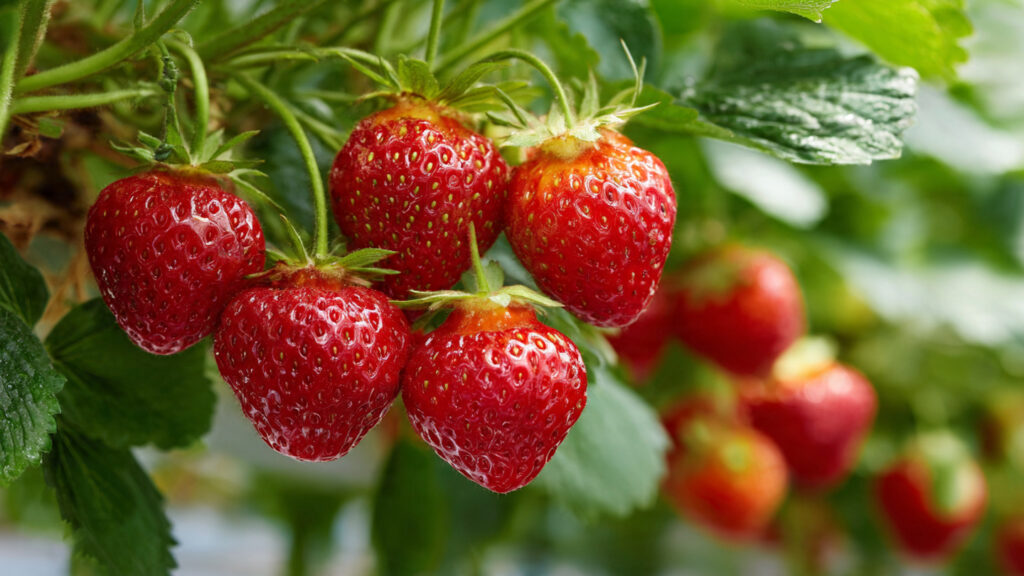
Strawberries are one of the most popular and rewarding fruits to grow at home. Sweet, juicy, and full of vitamins, they can be enjoyed fresh, in desserts, or preserved for later use. But what if you don’t have a traditional garden? The good news is that strawberries are remarkably adaptable and can thrive in containers, hanging baskets, or vertical planters, giving you surprising results even in small spaces.
This guide provides a complete, beginner-friendly approach to growing strawberries without a conventional garden, ensuring healthy plants, abundant fruit, and minimal effort.
Why Grow Strawberries Without a Garden?
Not everyone has access to a backyard or open ground. Container or alternative gardening offers several advantages:
- Space-Saving: Grow on balconies, terraces, windowsills, or patios.
- Mobility: Move pots or hanging baskets to optimize sunlight and protect from harsh weather.
- Pest Management: Reduced exposure to ground pests like slugs and soil-borne diseases.
- Controlled Soil Quality: Use nutrient-rich, well-draining soil tailored for strawberries.
- Quick Harvest: Strawberries in containers often fruit faster than in-ground plants.
By using these techniques, even urban dwellers can enjoy homegrown strawberries with minimal hassle.
Step 1: Choose the Right Strawberry Variety
Selecting the appropriate variety is crucial for container success.
Recommended Options:
- Day-Neutral Varieties: ‘Albion’, ‘Seascape’, and ‘Tristar’ produce fruit continuously throughout the growing season.
- Everbearing Varieties: Offer multiple harvests in spring and summer.
- Compact or Dwarf Varieties: Perfect for small containers or vertical planters.
Avoid large, sprawling garden varieties as they require more space and maintenance.
Step 2: Selecting Containers or Alternative Growing Systems
Strawberries grow well in containers because their roots are shallow.
Container Options:
- Hanging Baskets: Great for vertical space and decorative purposes.
- Window Boxes: Suitable for terraces or balconies.
- Vertical Planters or Strawberry Towers: Maximize yield in small areas.
- Plastic Pots or Recycled Containers: Ensure they are at least 6–8 inches deep.
Important: All containers must have drainage holes to prevent waterlogging.
Step 3: Preparing the Soil
Strawberries thrive in loose, well-draining, nutrient-rich soil.
Ideal Mix:
- 40% garden soil or topsoil
- 30% compost (homemade if possible)
- 20% coco peat or peat moss
- 10% sand for drainage
Tips:
- Avoid heavy clay soil that can retain too much water.
- Mix compost thoroughly to provide essential nutrients.
- Adding a small amount of organic fertilizer helps promote flowering and fruiting.
Step 4: Choosing Healthy Plants
You can start strawberries from seeds, runners, or nursery-bought young plants.
Recommendations for Beginners:
- Nursery Plants: Faster establishment and easier to manage.
- Runners: Can be rooted in small pots to create new plants.
- Seeds: Economical but take longer to produce fruit.
Select disease-free, healthy plants with vibrant green leaves and firm roots.
Step 5: Planting Strawberries
Proper planting is key to fruit production.
Steps:
- Fill the container with prepared soil.
- Plant strawberry crowns so that the roots are fully covered but the crown (where leaves emerge) is above soil.
- Space plants 4–6 inches apart for compact varieties.
- Water gently after planting.
Note: Crowns must not be buried; this can cause rot and reduce fruiting.
Step 6: Providing Adequate Sunlight
Strawberries are sun-loving plants and need:
➡️ How to Grow Malabar Spinach from Cuttings for Fast, Easy Greens
➡️ How to Grow Super Delicious Cabbage at Home Without a Garden
➡️ How to Grow Bean Sprouts at Home in Plastic Bottles Easily (Step‑by‑Step Guide)
➡️ Why is Your Lemon Tree Blooming in the Heart of Winter?
➡️ Why Should Your Garden Have a Dedicated Pollinator Highway?
➡️ Why Do Your Fruit Trees Need a Winter Wash to Thrive in Spring?
➡️ How Can Rice Water Transform Your Fruits into Sweeter Delights?
➡️ Jumpstart Your Winter Garden: Seed Starting Under Lights
- At least 6–8 hours of direct sunlight per day.
- If grown indoors, place near a south-facing window or supplement with grow lights.
- Rotate containers regularly for uniform growth.
Adequate sunlight ensures strong plants and sweet, juicy fruits.
Step 7: Watering Properly
Strawberries require consistent moisture, especially during flowering and fruiting.
Guidelines:
- Keep soil consistently moist but not soggy.
- Water at the base to avoid wetting leaves, which reduces disease risk.
- Mulch with straw, dry leaves, or shredded coconut husk to retain moisture and suppress weeds.
Overwatering can lead to root rot, while underwatering may reduce flower and fruit production.
Step 8: Fertilizing for Healthy Growth
Container strawberries depend entirely on you for nutrients.
- Apply compost or organic fertilizer every 3–4 weeks.
- Use a balanced NPK fertilizer or a strawberry-specific fertilizer during flowering and fruiting.
- Avoid excessive nitrogen as it encourages leafy growth over fruiting.
Regular feeding ensures continuous flowering and abundant fruit.
Step 9: Encouraging Flowering and Pollination
Strawberries are mostly self-pollinating, but pollinators improve fruit size and quality.
Tips:
- Place containers where bees and insects can access flowers.
- Hand-pollinate with a small brush if needed, especially indoors.
- Remove runners from day-neutral varieties if you want the plant to focus on fruit production.
Proper pollination increases yield and fruit size.
Step 10: Managing Pests and Diseases
Even container-grown strawberries can face minor pest issues.
Common Problems:
- Aphids, spider mites, and whiteflies
- Powdery mildew and leaf spot
Budget-Friendly Solutions:
- Spray with neem oil or mild soap solution
- Maintain airflow between plants
- Avoid water on leaves while watering
Early detection and organic control methods keep plants healthy without chemicals.
Step 11: Mulching for Success
Mulching is crucial for container strawberries.
- Retains soil moisture
- Reduces weed growth
- Protects fruit from soil contact
- Regulates soil temperature
Use straw, dried leaves, or coconut husk around the plants for best results.
Step 12: Harvesting Strawberries
Timing is key for sweet, juicy berries.
- Pick berries when fully red and slightly soft.
- Harvest regularly to encourage continuous fruiting.
- Avoid leaving overripe berries as they attract pests.
With proper care, container strawberries can produce fruit continuously throughout the season.
Step 13: Seasonal Care and Maintenance
- Trim dead or yellowing leaves to prevent disease.
- Fertilize periodically, especially during active growth.
- Repot or refresh soil every 1–2 years to maintain fertility.
- Protect plants from extreme temperatures.
Consistent maintenance ensures a long-lasting, productive strawberry setup.
Step 14: Advanced Container Tips
- Vertical Planters: Ideal for maximizing space. Stack multiple layers for higher yield.
- Hanging Baskets: Reduce pest issues and add decorative value.
- Self-Watering Containers: Maintain soil moisture with minimal effort.
Creative container solutions allow surprising yields even in limited space.
Step 15: Common Mistakes to Avoid
- Crowning plants too deep in soil
- Overwatering or under-watering
- Ignoring sunlight requirements
- Neglecting fertilization
- Allowing pests to go unchecked
Avoiding these mistakes ensures healthy plants and consistent harvests.
Benefits of Growing Strawberries Without a Garden
- Accessibility: Enjoy fresh strawberries anywhere, even on balconies.
- Ease of Management: Containers reduce weeding and soil-borne pest problems.
- Continuous Harvest: Day-neutral and everbearing varieties provide fruit throughout the season.
- Aesthetically Pleasing: Hanging baskets and vertical setups are decorative.
- Healthy Produce: Enjoy chemical-free, homegrown berries.
Even a single container can produce a satisfying harvest with minimal effort.
Final Thoughts
Growing strawberries without a garden is surprisingly simple and rewarding. By choosing the right variety, using appropriate containers, preparing nutrient-rich soil, providing sufficient sunlight, and maintaining consistent watering and fertilization, beginners can enjoy abundant, healthy strawberries.
With patience and proper care, container-grown strawberries can produce sweet, juicy fruits that rival those from a traditional garden. Whether for fresh consumption, desserts, or gifting, growing strawberries this way allows anyone — even without a garden — to experience the joy of harvesting their own homegrown berries.