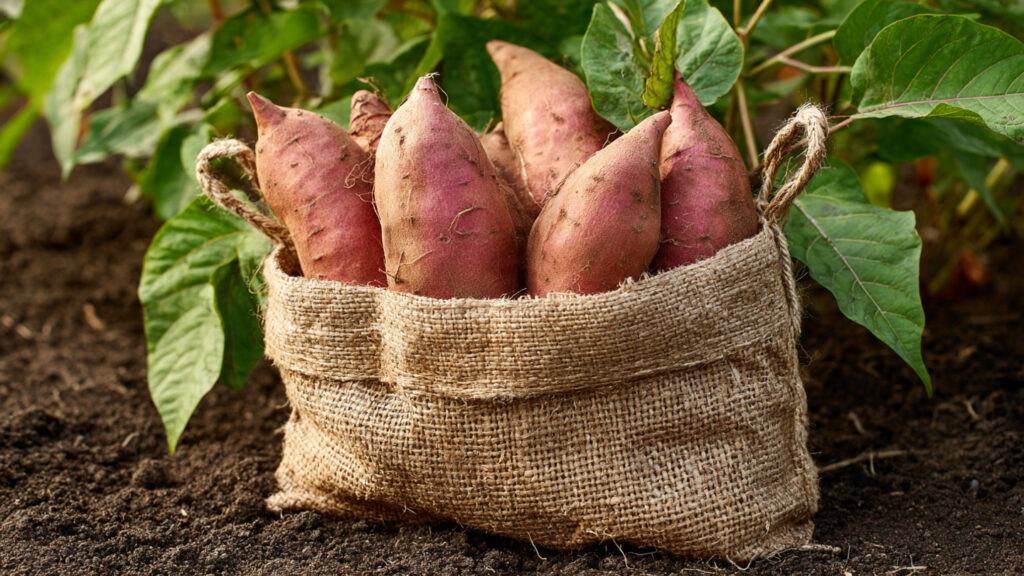
Sweet potatoes are delicious, nutritious, and surprisingly easy to grow — even if you don’t have a large garden. If you’ve ever dreamed of harvesting your own sweet, creamy roots but lack the space for traditional garden beds, growing sweet potatoes in bags is the perfect solution. This method is not only space-saving but also highly productive, making it ideal for urban gardens, patios, and balconies. In this guide, you’ll learn everything you need to know to grow sweet potatoes in bags and enjoy abundant harvests.
Why Grow Sweet Potatoes in Bags?
Growing sweet potatoes in bags comes with several advantages:
- Space-saving: Perfect for small yards, balconies, or rooftop gardens.
- Portability: You can move the bags to capture optimal sunlight.
- Soil control: Bag cultivation allows you to provide nutrient-rich, well-draining soil for healthy root development.
- Reduced pest problems: Elevating plants off the ground reduces the risk of soil-borne pests and diseases.
- Ease of harvesting: Simply tip the bag or loosen the soil to collect your sweet potatoes without digging large trenches.
This method combines the convenience of container gardening with the high yield potential of traditional sweet potato beds.
Choosing the Right Sweet Potato Varieties
Not all sweet potatoes perform equally well in bag cultivation. Choose varieties that are compact, fast-growing, and suited for container growth:
- Beauregard: Popular for its high yield, sweet flavor, and vibrant orange flesh.
- Georgia Jet: Known for early maturity and adaptability to container growing.
- Japanese Sweet Potato (Satsuma-imo): Produces long, slender roots ideal for smaller bags.
- White Sweet Potato (Hannah): Compact plants with creamy, sweet roots.
For beginners, Beauregard is highly recommended due to its resilience and consistent performance.
Materials You’ll Need
To grow sweet potatoes successfully in bags, gather the following items:
- Large grow bags or sturdy plastic sacks: At least 15–20 gallons (60–80 liters) in size. Larger bags produce bigger harvests.
- Well-draining soil: Mix garden soil with compost and sand to promote root expansion and prevent rot.
- Sweet potato slips: These are young shoots grown from mature sweet potatoes. You can purchase slips or sprout your own.
- Fertilizer: Balanced organic fertilizer or compost to enrich the soil.
- Mulch (optional): Straw or shredded leaves to retain moisture.
- Watering can or drip system: Consistent moisture is key for sweet potato growth.
Preparing the Grow Bags
Proper preparation ensures your sweet potatoes thrive:
- Choose the right location: Sweet potatoes need 6–8 hours of sunlight daily. Place the bags in a sunny, warm spot.
- Prepare the soil mix: Combine 50% garden soil, 30% compost, and 20% coarse sand or perlite. This mixture retains nutrients while providing excellent drainage.
- Fill the bags: Fill your grow bags about ¾ full with the soil mixture, leaving space for watering and root expansion.
- Add fertilizer: Incorporate a balanced organic fertilizer into the soil. Sweet potatoes are heavy feeders, so nutrient-rich soil encourages bigger yields.
Planting Sweet Potato Slips
Sweet potatoes are typically propagated from slips rather than seeds. Here’s how to plant them in bags:
- Prepare the slips: If using purchased slips, trim any damaged leaves. If sprouting your own, place sweet potatoes in water until shoots are 6–8 inches long.
- Plant the slips: Insert each slip about 3–4 inches deep into the soil with roots pointing downwards. Space slips 10–12 inches apart if planting multiple per bag.
- Water immediately: After planting, water thoroughly to settle the soil around the roots.
Watering and Feeding
Sweet potatoes need consistent moisture for optimal growth:
- Watering: Keep the soil evenly moist but avoid waterlogging, which can cause root rot. Deep watering once or twice a week is better than frequent shallow watering.
- Feeding: Fertilize every 3–4 weeks with compost tea, liquid seaweed, or a balanced organic fertilizer to support both foliage and root development.
A steady supply of water and nutrients ensures vigorous vine growth and larger, sweeter roots.
Training and Pruning Vines
Sweet potato vines can spread extensively, even in bags. Proper training helps maximize sunlight exposure and keeps your plants manageable:
- Support the vines: Use trellises, stakes, or let them spill gracefully over the sides of the bags.
- Prune lightly: Remove damaged or yellow leaves to redirect energy toward root production.
- Encourage airflow: Well-spaced leaves reduce fungal disease and allow sunlight to reach all parts of the plant.
By guiding your vines, you maintain plant health while still allowing for abundant growth.
Pests and Disease Management
Bag cultivation reduces many soil-borne pests, but vigilance is still required:
- Common pests: Sweet potato weevils, aphids, and spider mites can appear. Regularly inspect leaves and stems.
- Organic control: Spray neem oil or insecticidal soap at the first sign of pests.
- Disease prevention: Avoid overwatering and ensure good airflow to prevent fungal infections like root rot or leaf blight.
- Crop rotation: If you reuse soil in bags, rotate with non-solanaceous crops (beans, corn) to prevent soil-borne disease buildup.
Healthy plants produce more and larger roots, so proactive pest and disease management is essential.
Harvesting Sweet Potatoes from Bags
Harvesting sweet potatoes in bags is simpler than traditional methods:
➡️ How to Grow Malabar Spinach from Cuttings for Fast, Easy Greens
➡️ How to Grow Super Delicious Cabbage at Home Without a Garden
➡️ How to Grow Bean Sprouts at Home in Plastic Bottles Easily (Step‑by‑Step Guide)
➡️ Why is Your Lemon Tree Blooming in the Heart of Winter?
➡️ Why Should Your Garden Have a Dedicated Pollinator Highway?
➡️ Why Do Your Fruit Trees Need a Winter Wash to Thrive in Spring?
➡️ How Can Rice Water Transform Your Fruits into Sweeter Delights?
➡️ Jumpstart Your Winter Garden: Seed Starting Under Lights
- Timing: Sweet potatoes are usually ready 90–120 days after planting, once vines begin to yellow and die back.
- Loosen the soil: Tip the bag gently or dig carefully around the roots to avoid damaging them.
- Select mature roots: Choose firm, well-shaped tubers. Smaller ones can be replanted as slips for the next season.
- Curing: Leave the harvested roots in a warm, shaded place for 5–7 days to cure. This process enhances sweetness and extends shelf life.
Bag-grown sweet potatoes are easier to harvest because you can lift the entire bag or gently remove soil without heavy digging.
Tips for Maximizing Yields
- Use large bags: Bigger containers allow roots to expand and produce more.
- Succession planting: Start slips every 2–3 weeks for a continuous harvest throughout the growing season.
- Sunlight: Ensure bags receive full sun for at least 6 hours daily to promote vigorous vine growth and root formation.
- Soil refresh: Replace or top up soil each season to maintain fertility.
- Mulch: Retains moisture, suppresses weeds, and keeps soil temperature stable.
Following these tips can dramatically increase the size and number of sweet potatoes you harvest.
Why Bag Cultivation is Ideal for Urban Gardens
Urban gardeners face challenges like limited space, poor soil quality, and restricted sunlight. Growing sweet potatoes in bags addresses all these issues:
- Compact and portable: Bags fit small patios, balconies, and even rooftop gardens.
- Control over soil: Avoid contamination from poor or compacted urban soil.
- Ease of management: Fewer weeds, simpler watering, and easier pest control.
- Aesthetically pleasing: Vines spilling over the edges of decorative bags add greenery to small spaces.
Bag cultivation makes sweet potato gardening accessible to anyone, regardless of the size or quality of their outdoor space.
Conclusion
Growing sweet potatoes in bags is an innovative and efficient way to enjoy homegrown, nutritious tubers without needing a large garden. By selecting the right varieties, preparing nutrient-rich soil, planting slips correctly, and maintaining consistent care, you can achieve abundant, high-quality harvests even in small spaces.
This method combines the best of container gardening and traditional cultivation, allowing urban gardeners and beginners alike to enjoy the satisfaction of homegrown sweet potatoes. With proper watering, fertilization, pruning, and pest management, your sweet potatoes will thrive in bags, producing roots that are tender, sweet, and full of flavor.
Whether you live in an apartment, have limited backyard space, or want a portable gardening option, this space-saving bag cultivation system ensures that you can grow and harvest sweet potatoes with minimal effort and maximum reward. Start your sweet potato bag garden today and experience the joy of abundant, homegrown roots right at your doorstep!