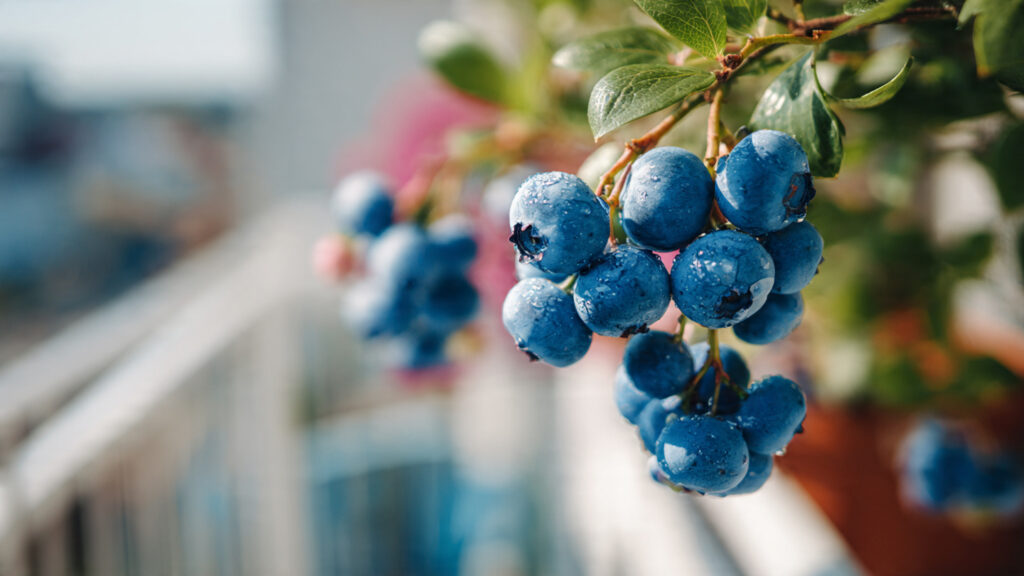
There’s something undeniably rewarding about plucking a sweet, juicy berry straight from a plant you’ve nurtured yourself. For urban dwellers and apartment residents, growing berries on a balcony can be a fulfilling hobby that combines gardening with fresh, nutritious food. With the right approach, even a small balcony can become a haven for strawberries, blueberries, raspberries, and more. This guide will take you step by step through everything you need to know to grow fresh berries with maximum flavor and nutrition, from selecting the right varieties to caring for them throughout the seasons.
Why Grow Berries on Your Balcony?
Berries are nutritional powerhouses packed with vitamins, antioxidants, and dietary fiber. Growing them at home has several advantages:
- Freshness and Flavor: Homegrown berries are harvested at peak ripeness, offering unparalleled sweetness and flavor compared to store-bought options.
- Nutritional Value: Berries begin to lose nutrients soon after harvest. Picking them fresh ensures you get the maximum vitamins and antioxidants.
- Cost-Effective: High-quality berries can be expensive. Growing your own reduces costs and provides an ongoing supply.
- Sustainable Gardening: Container gardening on a balcony reduces transportation, packaging waste, and pesticide exposure.
Even if space is limited, smart planning and vertical gardening can allow you to grow multiple types of berries efficiently.
Choosing the Right Berry Varieties for Balcony Gardening
Not all berries are equally suited for container growth. Some thrive in pots, while others need more space or specific conditions. Here are the best options for balcony gardening:
1. Strawberries
Strawberries are perfect for containers and hanging baskets. Choose everbearing or day-neutral varieties like:
- ‘Seascape’ – produces large, sweet fruits over a long season.
- ‘Albion’ – disease-resistant and ideal for sunny balconies.
- ‘Tristar’ – compact growth and excellent for pots.
2. Blueberries
Blueberries require acidic soil, but dwarf varieties are well-suited for pots:
- ‘Top Hat’ – ideal for small containers, produces flavorful berries.
- ‘Sunshine Blue’ – hardy, semi-evergreen, and adaptable to container life.
- ‘Jelly Bean’ – compact growth with high-yield potential.
3. Raspberries
Raspberries need more support but can thrive in large pots with trellises:
- ‘Heritage’ – produces sweet, aromatic berries over a long season.
- ‘Fall Gold’ – golden yellow fruit, smaller but extremely flavorful.
- ‘Shortcake’ – dwarf variety perfect for container cultivation.
4. Blackberries
Blackberries can be grown in containers, but choose compact, thornless varieties:
- ‘Baby Cakes’ – a dwarf variety that yields sweet blackberries without sprawling.
- ‘Black Satin’ – thornless and suitable for a sunny balcony with a trellis.
Selecting Containers and Soil
For successful berry cultivation, the right container and soil are crucial.
Containers
- Size Matters: For strawberries, 10–12 inch pots work well. Blueberries need at least 14–16 inch pots for healthy root development. Raspberries and blackberries should have containers at least 16–18 inches deep and wide.
- Material: Terracotta, ceramic, or plastic pots all work, but ensure they have good drainage.
- Drainage: Always choose containers with drainage holes. Excess water can cause root rot.
Soil
Berries prefer rich, well-draining soil:
- Strawberries: Use a mix of loamy soil, compost, and sand.
- Blueberries: Acidic soil with a pH of 4.5–5.5. Mix peat moss, pine bark, and perlite.
- Raspberries and Blackberries: Fertile, loamy soil enriched with compost.
Positioning and Sunlight
Most berries require full sun for optimal fruiting:
- Sunlight: At least 6–8 hours of direct sunlight daily.
- Protection: Avoid harsh winds, which can damage plants or dry them out quickly. Balcony railings or windbreaks can help.
If your balcony is shaded, strawberries can tolerate partial sun, but berries will be less sweet and abundant.
Planting Your Berries
1. Timing
- Spring Planting: Most berries thrive when planted in spring after the last frost.
- Fall Planting: Some varieties like everbearing strawberries can be planted in fall for early spring harvest.
2. Planting Technique
- Strawberries: Plant so that the crown is at soil level, not buried.
- Blueberries: Place the root ball slightly higher than the pot soil level to ensure good drainage.
- Raspberries/Blackberries: Plant young canes deep enough to cover root tips, leaving space for trellis support.
Watering and Fertilization
Berries are sensitive to over- and under-watering.
- Watering: Keep soil consistently moist, but not soggy. Container soil dries faster than garden soil, so daily monitoring may be needed in hot weather.
- Fertilization: Use slow-release organic fertilizers or liquid feeding every 4–6 weeks. Specific nutrient needs vary:
- Strawberries: Nitrogen-rich for leaf growth early, then switch to balanced fertilizer during fruiting.
- Blueberries: Acid-loving plant fertilizer.
- Raspberries/Blackberries: Balanced fertilizer with slightly higher potassium for fruit development.
Pruning and Training
Proper pruning encourages healthy growth and higher yields:
- Strawberries: Remove old leaves after the fruiting season to allow new growth.
- Blueberries: Prune dead or weak branches in early spring to stimulate new shoots.
- Raspberries/Blackberries: Train canes along a trellis and remove weak or overcrowded canes. Summer-bearing raspberries fruit on two-year-old canes; remove old fruiting canes after harvest.
Pest and Disease Management
Even balcony berries can be prone to pests like aphids, spider mites, or birds. Common diseases include powdery mildew and root rot. Tips:
➡️ How to Grow Malabar Spinach from Cuttings for Fast, Easy Greens
➡️ How to Grow Super Delicious Cabbage at Home Without a Garden
➡️ How to Grow Bean Sprouts at Home in Plastic Bottles Easily (Step‑by‑Step Guide)
➡️ Why is Your Lemon Tree Blooming in the Heart of Winter?
➡️ Why Should Your Garden Have a Dedicated Pollinator Highway?
➡️ Why Do Your Fruit Trees Need a Winter Wash to Thrive in Spring?
➡️ How Can Rice Water Transform Your Fruits into Sweeter Delights?
➡️ Jumpstart Your Winter Garden: Seed Starting Under Lights
- Natural Predators: Introduce ladybugs or use neem oil for aphid control.
- Sanitation: Remove dead leaves and old fruits to prevent fungal growth.
- Bird Protection: Use netting or mesh covers to protect berries from hungry birds.
Harvesting Tips
Harvest berries at peak ripeness for maximum flavor:
- Strawberries: Bright red, firm, and fragrant. Pick with a small stem attached.
- Blueberries: Deep blue with a silvery bloom. Taste a few to check sweetness.
- Raspberries/Blackberries: Fully colored, slightly soft, and easily detachable.
Regular harvesting encourages continued fruiting. Overripe berries left on the plant can attract pests or rot.
Extending the Growing Season
- Containers: Allow you to move plants to sunnier or more protected areas in extreme weather.
- Cold Protection: Use frost cloths or move pots indoors during unexpected frosts.
- Seasonal Varieties: Everbearing strawberries and fall-bearing raspberries provide multiple harvests throughout the year.
Maximizing Flavor and Nutrition
To get the most delicious and nutrient-rich berries:
- Sunlight: Ensure sufficient exposure—more sun often means sweeter berries.
- Avoid Overcrowding: Proper spacing ensures airflow, reducing disease and improving fruit quality.
- Organic Care: Avoid chemical pesticides and fertilizers. Organic compost and natural pest control keep berries clean and healthy.
- Regular Feeding: Balanced fertilization helps maintain high sugar content in berries.
Creative Balcony Arrangements
Even limited space can be used efficiently:
- Vertical Gardening: Use wall-mounted planters, hanging baskets, or tiered stands to grow multiple plants.
- Companion Planting: Pair strawberries with herbs like basil or mint to repel pests and enhance aesthetics.
- Decorative Planters: Choose colorful or themed pots to create a visually appealing balcony garden.
Conclusion
Growing fresh berries on your balcony is not only feasible but immensely satisfying. By selecting suitable varieties, providing proper soil, containers, sunlight, and care, you can enjoy a bounty of sweet, nutrient-packed fruits year-round. From the joy of harvesting the first strawberry to sharing fresh berries with friends, balcony berry gardening enriches your urban lifestyle, boosts your nutrition, and brings a touch of nature to your home.
Whether you’re a beginner or an experienced gardener, this ultimate guide equips you with the knowledge to cultivate berries that are not only beautiful but also bursting with flavor and nutrition. Your balcony can be transformed into a mini fruit paradise—vibrant, fragrant, and delicious. All it takes is a bit of planning, regular care, and a love for growing things, and soon your own fresh berries will be just an arm’s reach away.