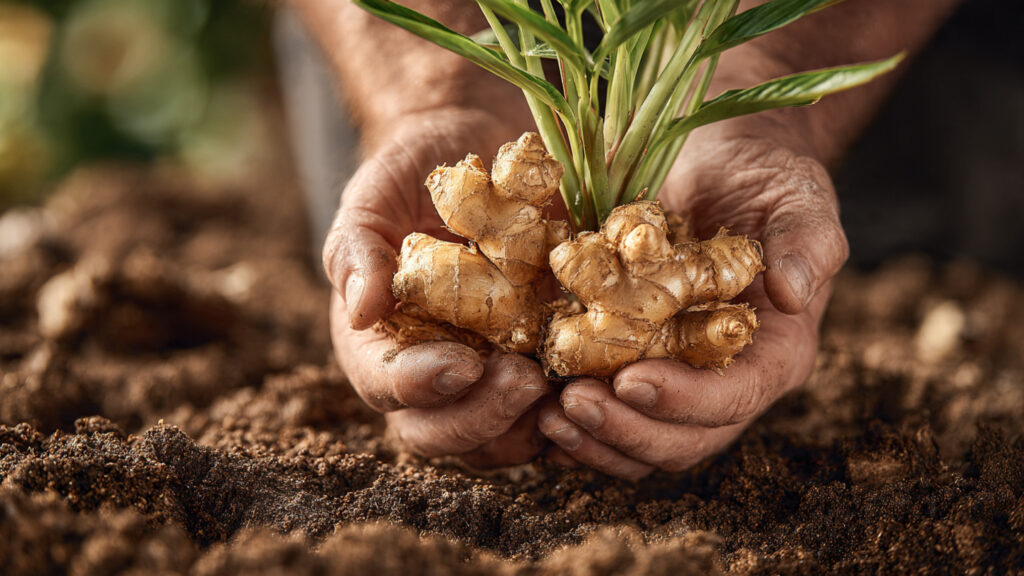
If you enjoy cooking with fresh ingredients, growing ginger at home is one of the most rewarding gardening projects you can start. Ginger is flavorful, aromatic, packed with health benefits, and surprisingly easy to grow—even for beginners. Whether you have a backyard, balcony, or just a sunny window, you can cultivate a thriving ginger plant and harvest your own fresh rhizomes.
In this complete beginner-friendly guide, you’ll learn everything you need to know about growing ginger at home for a big, healthy harvest.
What Is Ginger?
Ginger, scientifically known as Zingiber officinale, is a tropical plant grown for its underground stem, called a rhizome. The rhizome is the part we eat—used fresh, dried, powdered, or in teas and juices.
Unlike many vegetables, ginger does not grow from seeds. Instead, it grows from pieces of its own rhizome. This makes it extremely beginner-friendly and easy to propagate.
Why Grow Ginger at Home?
Growing ginger at home offers many benefits:
- Fresh, chemical-free harvest
- Cost savings over store-bought ginger
- Easy to grow in containers
- Thrives in partial shade
- Minimal pest problems
- High yield from a small space
Even a single medium-sized pot can produce a generous harvest if properly cared for.
Best Climate for Growing Ginger
Ginger is a warm-climate plant. It grows best in:
- Temperatures between 20–32°C (68–90°F)
- High humidity
- Indirect or filtered sunlight
If you live in a cooler climate, don’t worry. Ginger grows well indoors or in pots that can be moved during colder months.
Choosing the Right Ginger for Planting
Start with fresh, organic ginger from a grocery store or nursery. Look for:
- Plump rhizomes
- Firm texture
- Visible growth buds (small “eyes”)
- No mold or shriveling
Organic ginger is ideal because non-organic varieties are sometimes treated to prevent sprouting.
Preparing Ginger for Planting
Before planting:
- Cut the ginger rhizome into pieces about 1–2 inches long.
- Ensure each piece has at least one visible bud.
- Allow the pieces to dry for 24 hours to prevent rot.
Drying helps the cut surfaces callus over and reduces fungal infection risk.
Choosing the Right Container
Ginger grows horizontally, not vertically, so choose:
- A wide pot (at least 12 inches wide)
- 8–12 inches deep
- Drainage holes at the bottom
Wider containers allow rhizomes to spread, leading to bigger harvests.
If planting in the ground, select a well-draining garden bed with partial shade.
➡️ How to Grow Malabar Spinach from Cuttings for Fast, Easy Greens
➡️ How to Grow Super Delicious Cabbage at Home Without a Garden
➡️ How to Grow Bean Sprouts at Home in Plastic Bottles Easily (Step‑by‑Step Guide)
➡️ Why is Your Lemon Tree Blooming in the Heart of Winter?
➡️ Why Should Your Garden Have a Dedicated Pollinator Highway?
➡️ Why Do Your Fruit Trees Need a Winter Wash to Thrive in Spring?
➡️ How Can Rice Water Transform Your Fruits into Sweeter Delights?
➡️ Jumpstart Your Winter Garden: Seed Starting Under Lights
Preparing the Ideal Soil
Ginger thrives in rich, loose, well-draining soil.
Ideal Soil Mix:
- 40% garden soil
- 30% compost
- 20% coco peat
- 10% sand or perlite
The soil should be:
- Moist but not soggy
- Rich in organic matter
- Slightly acidic to neutral
Heavy clay soils can cause rhizomes to rot.
Planting Ginger Step by Step
- Fill your container with prepared soil.
- Place ginger pieces horizontally, buds facing upward.
- Cover with 1–2 inches of soil.
- Water lightly after planting.
Do not bury too deep. Ginger needs shallow planting for healthy sprouting.
Watering: The Key to Healthy Growth
Ginger loves moisture but dislikes standing water.
- Water lightly after planting.
- Keep soil consistently moist.
- Avoid overwatering.
- Reduce watering slightly during dormancy.
If soil stays soggy, roots may rot. Always check moisture before watering again.
Sunlight Requirements
Ginger prefers:
- Bright, indirect light
- Partial shade
- Filtered sunlight
Too much direct sunlight can scorch leaves. If growing indoors, place near a bright window but away from harsh midday sun.
Feeding for Bigger Harvests
Ginger benefits from regular feeding.
- Add compost every 4–6 weeks.
- Use organic liquid fertilizer once a month.
- Apply potassium-rich fertilizer during active growth.
Healthy soil nutrition directly impacts rhizome size and yield.
Growth Timeline
Ginger requires patience but rewards you generously.
Weeks 2–4:
Small green shoots appear.
Months 2–4:
Leaves grow tall and lush.
Months 6–8:
Rhizomes mature underground.
8–10 Months:
Ready for full harvest.
You can also harvest young “baby ginger” after 4–5 months for a milder flavor.
How to Harvest Ginger
When leaves start yellowing and drying, it’s harvest time.
Steps to Harvest:
- Stop watering one week before harvest.
- Loosen soil gently.
- Pull up the entire plant.
- Cut off rhizomes carefully.
Brush off soil and allow ginger to dry before storing.
How Much Ginger Can You Expect?
From one medium pot:
- 500 grams to 1 kg (1–2 pounds) of ginger
- Depending on care and container size
Expanding to multiple pots significantly increases production.
Growing Ginger Indoors
Ginger is perfect for indoor gardening.
Tips for indoor success:
- Use wide containers.
- Place near bright windows.
- Maintain humidity.
- Mist leaves occasionally.
- Keep away from cold drafts.
Indoor plants may grow slightly slower but still produce well.
Common Problems and Solutions
Yellow Leaves
Cause: Overwatering or nutrient deficiency
Solution: Improve drainage and feed with compost.
No Sprouting
Cause: Non-viable ginger or cold temperature
Solution: Use organic ginger and ensure warmth.
Rotting Rhizomes
Cause: Poor drainage
Solution: Reduce watering and improve soil mix.
Ginger is relatively pest-resistant, making it ideal for beginners.
Can You Replant After Harvest?
Yes! Save a few healthy rhizome pieces with buds and replant them.
This creates a continuous growing cycle, allowing year-round production in warm climates.
Tips for a Bigger Harvest
To maximize yield:
- Use large, wide containers.
- Keep soil rich in organic matter.
- Maintain consistent moisture.
- Provide warmth.
- Avoid disturbing roots during growth.
- Harvest at full maturity.
The longer ginger grows (within its cycle), the larger the rhizomes become.
Companion Plants for Ginger
Ginger grows well with:
- Turmeric
- Lemongrass
- Spinach
- Leafy greens
These plants share similar moisture and light preferences.
Storing Your Harvest
Fresh ginger can be:
- Stored in the refrigerator for 2–3 weeks
- Frozen for long-term storage
- Dried and powdered
- Pickled
- Used fresh in teas and cooking
Homegrown ginger has stronger aroma and flavor compared to store-bought varieties.
Why Ginger Is Perfect for Beginners
Ginger is forgiving and adaptable.
It:
- Grows in containers
- Requires minimal space
- Has few pests
- Doesn’t need pruning
- Doesn’t require complicated techniques
Even if you’re new to gardening, ginger offers high success rates.
Final Thoughts
Growing ginger at home is one of the easiest and most satisfying gardening projects for beginners. With just a fresh rhizome, a wide container, rich soil, and consistent moisture, you can enjoy a big, fresh harvest right from your balcony, patio, or backyard.
Patience is key—ginger takes several months to mature—but the reward is flavorful, aromatic rhizomes grown entirely by you. Once you experience harvesting your own ginger, you may never want to rely solely on store-bought supplies again.