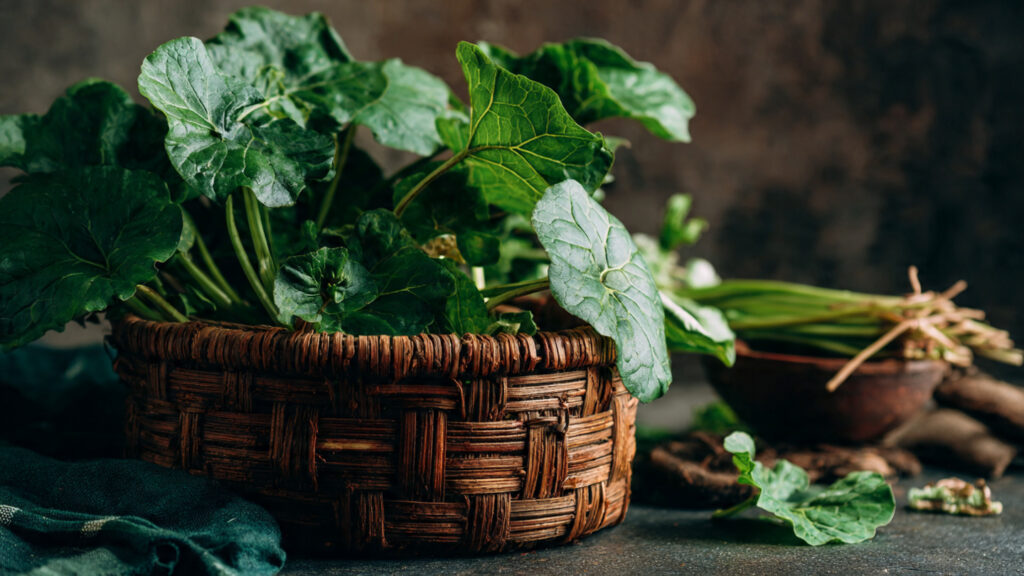
If you’ve ever craved the fresh, leafy goodness of Poi Saag (Basella alba), but live in an apartment or lack garden space, you might wonder: can this nutritious, fast-growing leafy green really thrive indoors? The answer is yes! With a little know-how, the right setup, and an easy indoor-growing hack, you can enjoy a continuous supply of Poi Saag right from your windowsill or balcony.
This article will guide you step by step through the process, revealing practical techniques, growth tips, and tricks for harvesting lush leaves year-round.
What Is Poi Saag?
Poi Saag, also called Malabar spinach or vine spinach, is a tropical leafy green celebrated for its mild flavor, thick, juicy leaves, and high nutritional value. Rich in iron, vitamins A and C, and dietary fiber, it’s a versatile plant used in curries, soups, and salads.
Unlike traditional spinach, Poi Saag is a climber with succulent stems, which makes it perfect for vertical indoor gardening. Its trailing nature allows it to flourish in small spaces, containers, and even hanging pots.
Why Grow Poi Saag Indoors?
Indoor cultivation offers several benefits:
- Year-round harvest: You aren’t dependent on seasonal outdoor conditions.
- Pest-free leaves: Indoor plants are less likely to suffer from aphids, caterpillars, or fungal diseases.
- Space efficiency: Vertical growth habits make it ideal for apartments and small spaces.
- Fresh and chemical-free: You control fertilization and water, producing healthier leaves.
With the right hack, even beginners can achieve rapid, thriving growth indoors.
Selecting the Right Variety
When growing Poi Saag indoors, it’s essential to choose the most suitable variety. The main types are:
- Green-stemmed Basella alba: Thrives in containers, fast-growing, with tender, mild leaves.
- Red-stemmed Basella rubra: Slightly decorative, also suitable for indoor spaces, with reddish-purple stems and slightly tangy leaves.
For indoor cultivation, green-stemmed varieties are often preferred because they grow faster and tolerate low-light conditions better.
The Easy Hack: Container + Trellis System
The key to indoor Poi Saag success is combining container planting with vertical support. Here’s why this hack works:
- Poi Saag is a climber that naturally trails or twines around supports. Without vertical guidance, the plant sprawls, limiting leaf production.
- A trellis, bamboo sticks, or string system allows you to grow upward, saving floor space.
- Vertical growth improves air circulation, reducing the risk of fungal issues.
This approach makes Poi Saag perfect for windowsills, small balconies, or even hanging planters.
Step-by-Step Guide to Indoor Poi Saag
Step 1: Choosing a Container
Select a container that is at least 12–15 inches deep with good drainage holes. Poi Saag develops a strong root system, so deeper pots help ensure consistent growth. Fabric pots or plastic containers both work well.
Step 2: Preparing the Soil
Poi Saag prefers loamy, well-draining soil enriched with organic matter. A mix of:
- 50% potting soil
- 25% compost or well-rotted manure
- 25% coco peat or perlite
This combination retains moisture while providing nutrients and preventing root rot.
Step 3: Sowing Seeds or Cuttings
You have two options:
- Seeds: Soak seeds in water for 12–24 hours to improve germination. Plant them ½ inch deep in moist soil. Seeds typically sprout in 7–14 days.
- Stem Cuttings: Cut a healthy 6–8 inch stem from an established plant. Remove lower leaves and insert the stem into moist soil or water. Roots appear in 2–3 weeks.
Stem cuttings are faster and guarantee a mature, productive plant sooner.
➡️ How to Grow Malabar Spinach from Cuttings for Fast, Easy Greens
➡️ How to Grow Super Delicious Cabbage at Home Without a Garden
➡️ How to Grow Bean Sprouts at Home in Plastic Bottles Easily (Step‑by‑Step Guide)
➡️ Why is Your Lemon Tree Blooming in the Heart of Winter?
➡️ Why Should Your Garden Have a Dedicated Pollinator Highway?
➡️ Why Do Your Fruit Trees Need a Winter Wash to Thrive in Spring?
➡️ How Can Rice Water Transform Your Fruits into Sweeter Delights?
➡️ Jumpstart Your Winter Garden: Seed Starting Under Lights
Step 4: Installing Vertical Support
Insert a small trellis, bamboo sticks, or string lines into the container before the plant grows too tall. Tie or gently guide stems to wrap around the support. As the plant climbs, it produces more leaves along the stems.
For small spaces, consider hanging vertical grids or using wall-mounted string lines—this allows you to grow multiple plants in one area.
Step 5: Sunlight and Light Management
Poi Saag grows best with 4–6 hours of direct sunlight or bright indirect light. If your indoor space has limited natural sunlight:
- Use LED grow lights placed 6–12 inches above the plants.
- Keep lights on for 10–12 hours a day for optimal growth.
Proper lighting ensures tender leaves and prevents leggy, weak stems.
Step 6: Watering
Poi Saag loves consistent moisture.
- Water the soil whenever the top 1–2 inches feel dry.
- Avoid waterlogging; soggy soil can cause root rot.
- Mulching with straw or coco peat retains moisture and keeps soil cool.
Indoor plants may need slightly more frequent watering, especially under grow lights.
Step 7: Fertilizing
Indoor plants have limited soil, so regular feeding is essential:
- Use a balanced liquid fertilizer every 2–3 weeks.
- Organic options like compost tea or diluted fish emulsion work well.
- High nitrogen helps leaf growth, while potassium ensures healthy stems and roots.
Avoid over-fertilizing; excessive nutrients can cause soft, weak leaves prone to disease.
Step 8: Harvesting
Poi Saag is very forgiving when it comes to harvesting:
- Begin picking leaves when the plant reaches 6–8 inches tall.
- Harvest the outer leaves first, allowing inner leaves to continue growing.
- Regular harvesting stimulates new growth and prevents the plant from flowering too early.
In ideal indoor conditions, you can harvest leaves continuously for several months.
Common Problems and Simple Solutions
Even indoor growers can face challenges:
1. Leggy Growth
- Cause: Insufficient light
- Solution: Increase sunlight or use grow lights
2. Yellowing Leaves
- Cause: Overwatering or nutrient deficiency
- Solution: Reduce watering and provide balanced fertilizer
3. Pests
- Cause: Indoor pests like aphids or spider mites
- Solution: Wipe leaves with soapy water or neem oil spray
By maintaining proper light, water, and nutrition, Poi Saag thrives indoors with minimal issues.
Why This Indoor Hack Works So Well
- Vertical growth maximizes space: One plant produces more leaves in a small area.
- Controlled environment: Indoor light, temperature, and water can be optimized.
- Faster growth: Stem cuttings root quickly, giving edible leaves sooner than seeds alone.
- Year-round harvest: No dependence on seasonal outdoor conditions.
This hack transforms a simple container into a mini Poi Saag farm, perfect for home cooks and urban gardeners.
Tips to Enhance Indoor Poi Saag Production
- Rotate pots every few days for even light exposure.
- Clean leaves regularly to remove dust and pests.
- Train multiple stems on a single trellis to increase leaf yield.
- Occasionally pinch the growing tips to promote bushier growth.
- Combine with other vertical vegetables like beans or peas for companion planting indoors.
Conclusion
Yes, you can definitely grow Poi Saag indoors—and with this easy container-plus-trellis hack, it’s faster, simpler, and more productive than many realize. By using stem cuttings, providing vertical support, and optimizing sunlight, water, and nutrients, you can enjoy a constant supply of fresh, nutritious leaves all year round.
Whether you’re an urban gardener, apartment dweller, or someone who simply wants fresh greens at your fingertips, this method proves that indoor Poi Saag cultivation is not only possible but also incredibly rewarding.
Start small, follow this step-by-step guide, and watch your indoor greens flourish—bringing life, color, and nutrition right into your home.