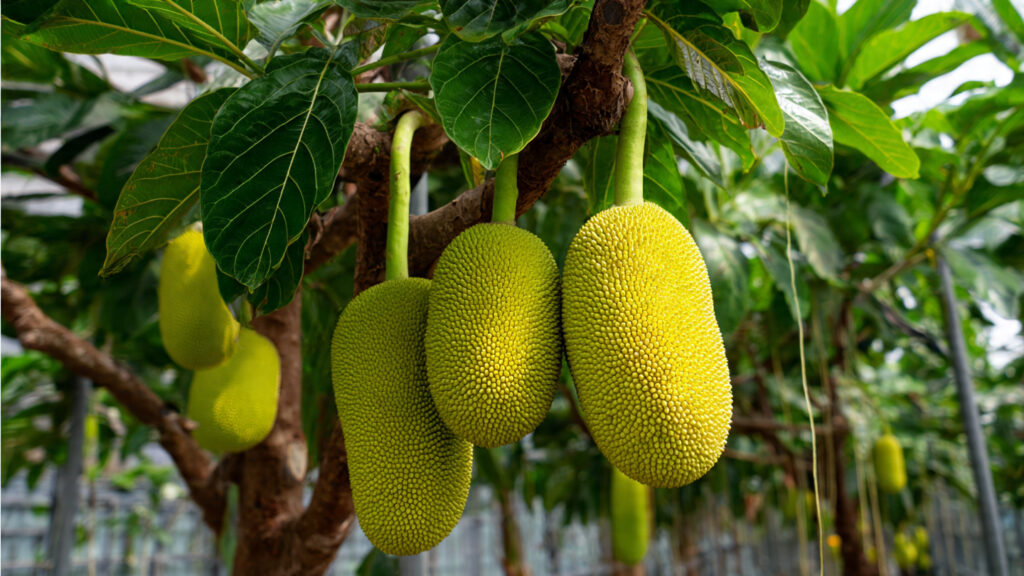
Jackfruit is rapidly becoming one of the most desirable tropical fruit trees for home gardeners and small-scale farmers. Known for its massive fruits, sweet flavor, and impressive nutritional value, jackfruit is both a food source and an investment. However, growing it from seed can be unpredictable and slow. Trees may take years to fruit and often produce inconsistent quality.
That’s why grafting has transformed how gardeners cultivate jackfruit. By applying smart, modern grafting techniques, you can grow faster, stronger, and more productive trees that deliver consistent, high-quality harvests. This guide explores revolutionary jackfruit grafting ideas that maximize success and yield.
Why Grafting Changes Everything
Jackfruit belongs to the species Artocarpus heterophyllus. When grown from seed, each plant carries unique genetic traits. This can result in:
- Variable fruit size
- Unpredictable sweetness
- Longer juvenile period
- Excessively tall trees
Grafting eliminates these issues by combining a vigorous root system (rootstock) with a proven, high-performing fruiting branch (scion). The result is a clone of the superior parent tree supported by a strong root base.
Instead of waiting 6–10 years for fruit, grafted jackfruit trees can produce harvests in as little as 2–3 years.
Smart Rootstock Selection: The Foundation of Success
Revolutionary grafting starts with choosing the right rootstock.
What Makes a Strong Rootstock?
- Healthy, disease-free seedlings
- 6–12 months old
- Thick, straight stem
- Fast-growing and adaptable to local climate
A strong rootstock determines:
- Drought tolerance
- Nutrient uptake efficiency
- Disease resistance
- Overall tree vigor
Some advanced growers even select rootstocks from naturally hardy local varieties to improve climate resilience.
Choosing a High-Performance Scion
The scion controls fruit quality and productivity.
Select scions from trees that:
- Produce large, uniform fruits
- Have thick, sweet bulbs
- Show consistent annual fruiting
- Resist pests and diseases
Use semi-hardwood branches that are 3–4 months old with visible healthy buds.
A good scion means predictable, premium harvests.
Revolutionary Grafting Techniques
While traditional cleft grafting works well, modern gardeners are exploring techniques that improve survival rates and speed.
1. Softwood Cleft Grafting (Beginner-Friendly Classic)
This remains one of the easiest and most reliable techniques.
Why it works:
➡️ How to Grow Malabar Spinach from Cuttings for Fast, Easy Greens
➡️ How to Grow Super Delicious Cabbage at Home Without a Garden
➡️ How to Grow Bean Sprouts at Home in Plastic Bottles Easily (Step‑by‑Step Guide)
➡️ Why is Your Lemon Tree Blooming in the Heart of Winter?
➡️ Why Should Your Garden Have a Dedicated Pollinator Highway?
➡️ Why Do Your Fruit Trees Need a Winter Wash to Thrive in Spring?
➡️ How Can Rice Water Transform Your Fruits into Sweeter Delights?
➡️ Jumpstart Your Winter Garden: Seed Starting Under Lights
- High success rate
- Simple cuts
- Strong cambium contact
Make a vertical split in the rootstock and insert a wedge-shaped scion. Wrap tightly and maintain humidity. Within 3–4 weeks, buds begin swelling.
This method is ideal for beginners.
2. Veneer Grafting (Higher Precision, Stronger Union)
Veneer grafting creates a side attachment instead of cutting off the entire rootstock.
Benefits:
- Less stress on plant
- Higher survival in hot climates
- Stronger long-term union
Procedure:
- Slice a thin strip of bark from the rootstock
- Shape scion to match the cut
- Bind securely
This method allows the rootstock to continue supporting growth until the graft is fully established.
3. Epicotyl Grafting (Faster Production Method)
This modern nursery technique uses very young seedlings (10–15 days old).
Advantages:
- Rapid production
- High success in warm climates
- Uniform nursery plants
The young seedling stem is cut and grafted immediately with a scion. Because seedlings are actively growing, cambium fusion happens quickly.
This method is popular in commercial jackfruit nurseries.
The Cambium Connection: The True Secret
No matter the technique, grafting success depends on aligning the cambium layers.
The cambium is the thin green layer just under the bark responsible for growth.
Even if only one side aligns properly, the graft can succeed.
Precision and clean cuts are essential.
Aftercare: Turning Grafts into Strong Trees
Grafting doesn’t end once the scion is attached. Proper care ensures long-term success.
Shade and Humidity
Keep grafted plants in bright, indirect light.
Direct sunlight can dry the scion before union forms.
Cover the scion loosely with a plastic sleeve to retain moisture but allow airflow.
Water Management
Keep soil moist but never soggy.
Overwatering causes root rot. Underwatering stresses the plant and delays healing.
Remove Competing Shoots
Rootstock shoots below the graft union must be removed immediately.
They divert nutrients away from the scion.
Strengthening the Grafted Tree for Higher Yields
Once the graft is established, focus shifts to growth optimization.
Early Training for Structure
When new growth reaches 8–12 inches:
- Pinch the tip
- Encourage lateral branching
- Select 3–4 strong scaffold branches
This creates a balanced, open canopy.
A well-shaped tree supports heavier fruit loads later.
Nutrient Strategy for Faster Growth
After graft establishment:
- Apply compost or organic manure.
- Use balanced NPK fertilizer during vegetative growth.
- Increase potassium during flowering and fruit development.
Potassium improves fruit size and sweetness.
Avoid excessive nitrogen—it causes leafy growth but reduces fruit production.
Revolutionary Idea: Double Grafting for Stronger Trees
Some advanced growers experiment with double grafting:
- First graft establishes a hardy rootstock.
- Second graft adds a premium fruiting scion.
This layered approach can combine:
- Strong climate adaptability
- Superior fruit quality
While more advanced, it demonstrates how innovation continues to evolve jackfruit cultivation.
Climate Adaptation Through Smart Grafting
Grafting allows customization.
For example:
- Drought-prone regions → choose drought-tolerant rootstock
- High rainfall zones → select rootstock resistant to root diseases
- Windy areas → use sturdy, thick-stemmed seedlings
Matching rootstock to environment dramatically improves long-term yield.
How Soon Can You Expect Harvest?
With modern techniques:
- Bud growth: 3–4 weeks
- Strong vegetative growth: 3–6 months
- Flowering: 18–24 months
- First harvest: 2–3 years
Full productivity typically begins by year 4–5.
This is significantly faster than seed-grown trees.
Common Mistakes That Reduce Yield
Avoid these errors:
- Grafting during extreme heat
- Using diseased scion wood
- Poor wrapping that allows air gaps
- Ignoring pruning after establishment
- Overfeeding nitrogen
Precision and balance are key.
Why Grafted Jackfruit Trees Yield More
Grafted trees outperform seed-grown trees because:
- They skip the juvenile phase
- Energy goes directly into fruit production
- Rootstock boosts nutrient absorption
- Canopy structure can be controlled early
Stronger roots + proven genetics = higher yields.
The Future of Jackfruit Cultivation
With increasing global demand for jackfruit as both fresh fruit and plant-based meat alternative, efficient production is more important than ever.
Smart grafting techniques allow:
- Faster orchard establishment
- Uniform fruit quality
- Reduced growing risk
- Better space management
Even home gardeners can benefit from these revolutionary ideas.
Final Thoughts
Revolutionary jackfruit grafting isn’t about complicated tools or expensive equipment—it’s about understanding plant biology and applying smart techniques.
By selecting strong rootstocks, choosing high-quality scions, aligning cambium layers carefully, and providing proper aftercare, you can grow faster, stronger, and high-yield jackfruit trees.
Whether you’re a home gardener or small-scale grower, these smart grafting strategies will transform your cultivation results.
Instead of waiting nearly a decade for unpredictable fruit, embrace modern grafting ideas and enjoy reliable, premium harvests in just a few years.
Your future high-yield jackfruit orchard starts with one successful graft.